
CULTURE
Kyoto Tea Ceremony: Best Experiences for Tourists
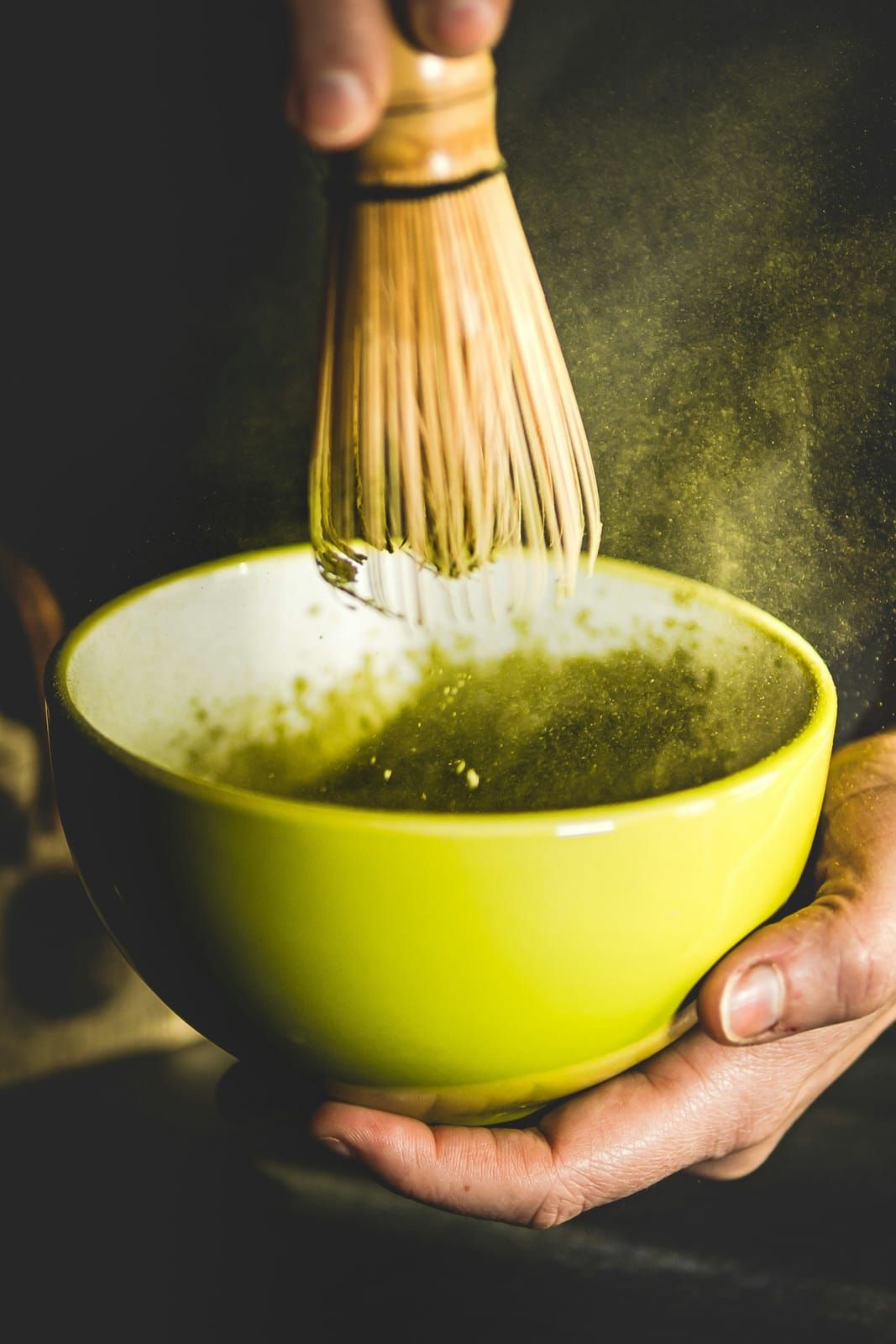
A tea ceremony in Kyoto can be a genuine hour of temae or a 20-minute performance in a rented room, and the listings rarely make it obvious which one you are booking. This guide covers what separates the two, what happens during a real ceremony, and what each type costs.
What the Tea Ceremony Is
Chado (the Way of Tea) or sado is the Japanese art of preparing and serving matcha in a prescribed ritual form. Codified by tea master Sen no Rikyu in the late 16th century and patronized by Toyotomi Hideyoshi, the ceremony encapsulates four principles: wa (harmony), kei (respect), sei (purity), and jaku (tranquility).
The formal tea ceremony is complex, taking years to master. What tourists access is almost always a simplified demonstration — which is still genuinely worth experiencing. The ritual movements, the silence, the emphasis on seasonal elements in the room decoration, and the taste of properly prepared matcha all communicate something real about Japanese aesthetics that you can’t get from reading about it.
 CHADO
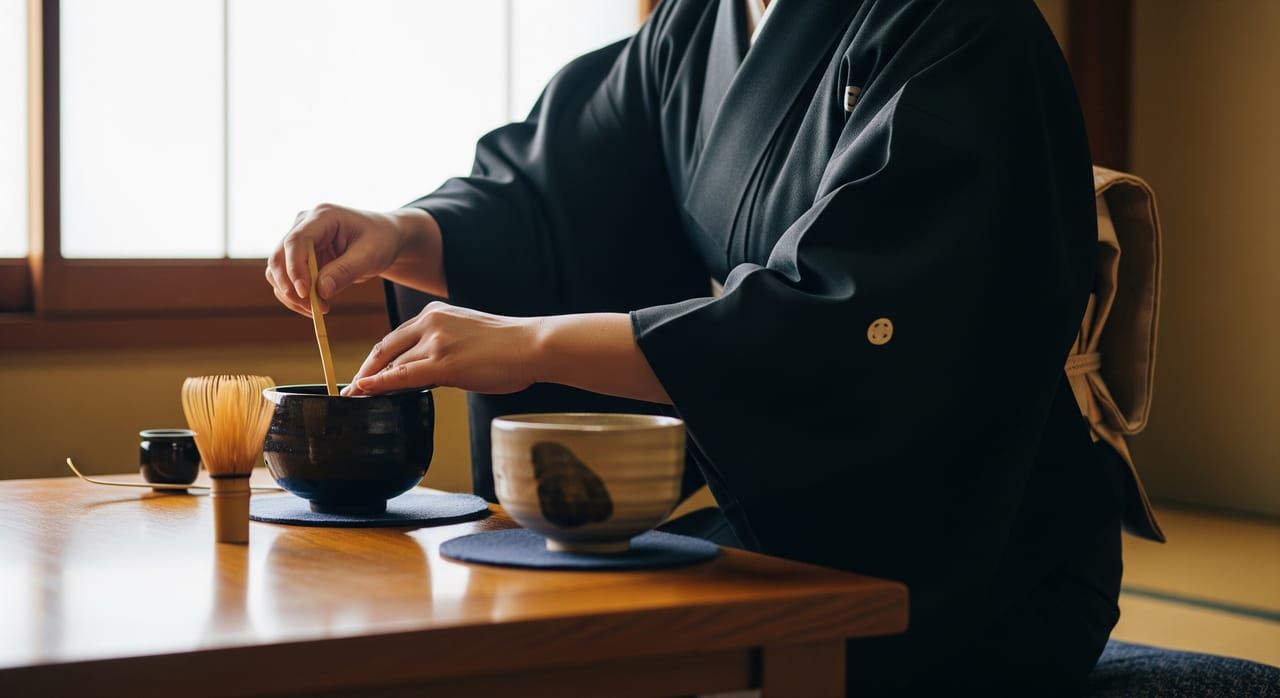
CHADO A good tea ceremony experience in Kyoto is not theater. The matcha is excellent, the room is thoughtfully arranged, and the 45 minutes of deliberately slowed-down attention is itself interesting for most visitors.
The best experiences are not necessarily the most expensive. A well-run ¥4,000 session at a Gion machiya will feel more genuine than a rushed ¥8,000 package that packs in too many activities. Look for small group sizes (under 8 guests) and hosts who trained with a recognized tea school.
The Best Venues
En Tea Ceremony (Gion)
Located in a renovated machiya townhouse in Gion, En offers 45–60 minute experiences with English explanation. The host demonstrates temae (the preparatory steps) and guests prepare their own bowl using a bamboo whisk. ¥3,800–¥4,500. Strong choice for the combination of authentic setting and accessible format.
Camellia Tea Experience (Higashiyama)
A well-reviewed experience in the Ninenzaka area, combining kimono fitting with tea ceremony for those wanting both activities in one morning. Flexible packages. ¥4,500–¥8,000 depending on options.
 HIGASHIYAMA
 Koto-en (Nishiki area)
A small private studio that offers smaller group sizes than the Higashiyama options. More intimate, with more detailed explanation of the philosophy behind the ceremony. ¥5,000–¥6,000.
Temple-Based Experiences
Several temples offer matcha and sweet service in their gardens — not a formal ceremony but a quiet, beautiful context for drinking matcha:
- Kodaiji Temple: Matcha set on the covered gallery overlooking the garden. ¥600–¥1,000.
- Daitokuji sub-temples: Some sub-temples (Ryogenin, Zuihoin) serve matcha in their historic tea rooms.
- Urasenke (headquarters of one of the three great tea schools): Occasional public lessons and formal ceremonies; reservation required.
Temple garden matcha sets (Kodaiji, Nanzenji, Tofukuji) cost ¥600–¥1,000 and are some of the best-value experiences in Kyoto. You’re not getting a temae demonstration, but the setting — mossy garden, wood gallery, seasonal garden view — is exceptional.
What to Expect
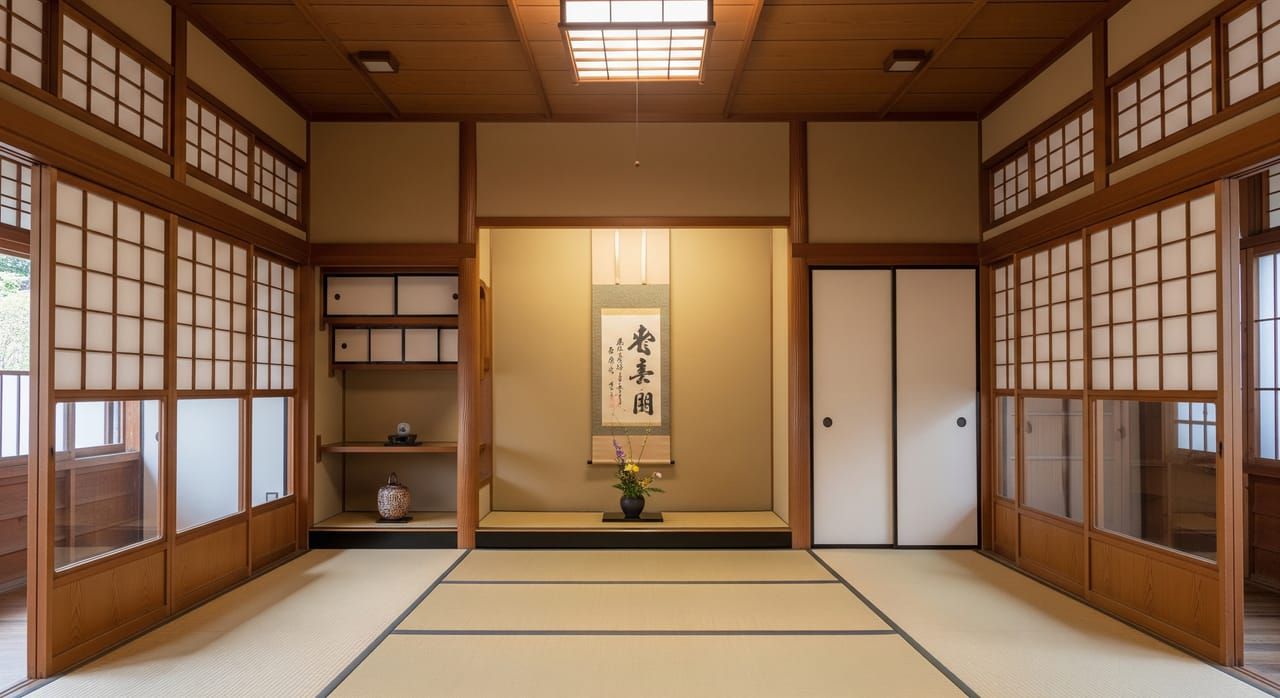
The tea room: Most tea rooms are small — 4.5 tatami mats (about 7m²) is the traditional size. You sit on tatami (remove shoes at the entrance). The tokonoma (alcove) holds a hanging scroll and flower arrangement that changes seasonally — these are the host’s subtle communication of the season and occasion.
The temae: The host’s prescribed preparation movements are not arbitrary — each gesture has a reason (cleaning the utensils, positioning the bowl, measuring the matcha, whisking). Watching this in silence is the core of the experience. Don’t feel pressure to understand everything; simply observe.
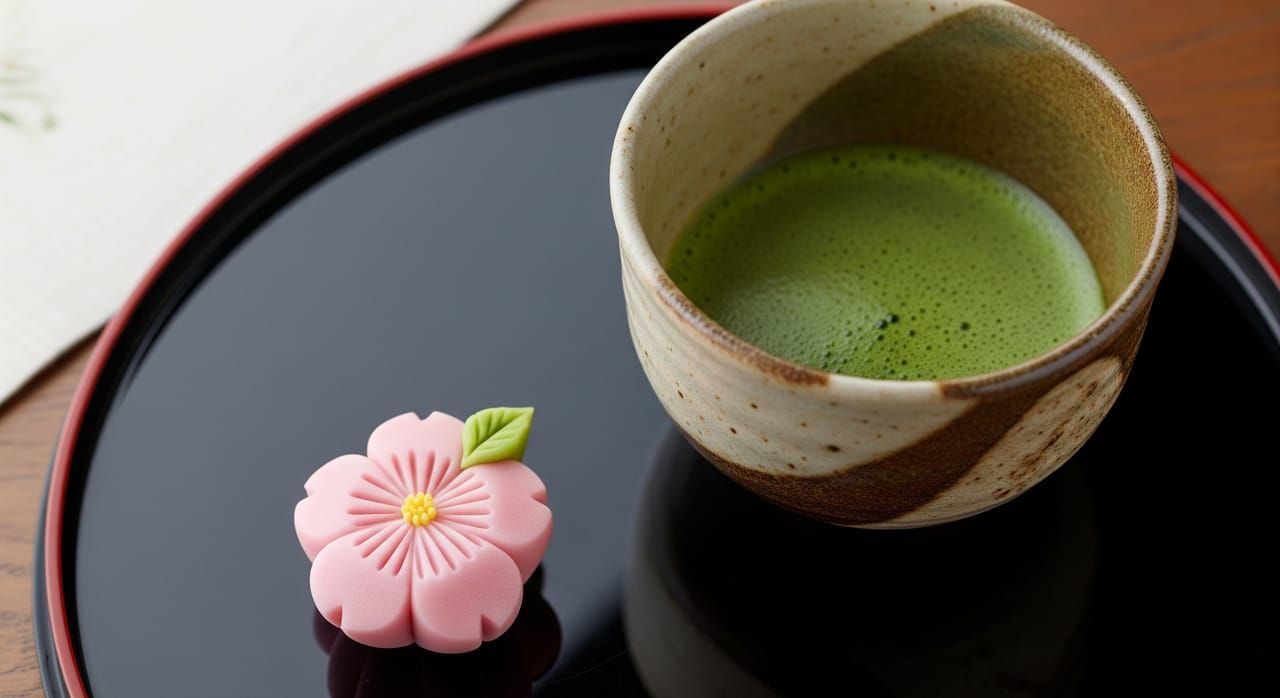
The wagashi sweet: Served before the matcha to prepare the palate. It counterbalances the natural bitterness of the tea. Usually a seasonal confection — higashi (dry sweet) for thin tea, namagashi (soft sweet) for thick tea.
 MATCHA
 The matcha bowl: Receive with both hands. Rotate the bowl clockwise two turns before drinking (to avoid drinking from the front — the painted or decorated “face”). Drink in three and a half sips by convention. Wipe the rim with your finger after. These instructions are explained at any tourist ceremony.
Most tourist experiences serve usucha (thin tea) — whisked until frothy, lighter in flavor. If you’re offered koicha (thick tea), it’s a viscous, intensely flavored paste made with more matcha powder. It’s the more advanced form and signals a more formal session. Drink it slowly.
Crowd and Timing
Small group sizes, unhurried pace — the best time to book
Popular venues book out; reserve at least a week ahead in March–May and October–November
Often near-empty; the Kodaiji gallery especially peaceful on weekday mornings
The best tea ceremony venues in Gion and Higashiyama fill weeks in advance during cherry blossom (late March–early April) and autumn foliage (mid-November) seasons. Book as soon as your Kyoto dates are confirmed. Walk-ins are rarely possible at the quality venues.
Doing It Well
- Arrive on time. The ceremony begins and ends on schedule; late arrival disrupts the group.
- No perfume. Strong scent disrupts the subtle aromas of the tea room and the matcha.
- Eat the wagashi before the tea. A common tourist mistake is eating them together or after.
- Don’t worry about the rules. Hosts of tourist ceremonies are patient with form. Focus on the experience rather than performing the ritual perfectly.
The tea ceremony is not primarily about the matcha, though the matcha is excellent. It’s one of the few tourist experiences in Kyoto that genuinely slows you down. Forty-five minutes with no phone, no rushing, no talking — watching someone perform a centuries-old ritual with total concentration. That’s what most visitors remember.
Related: Uji Day Trip — visiting the primary matcha-growing region adds depth to the tea ceremony experience. Kimono rental pairs naturally with a full traditional Kyoto morning.
Evening: Our Gion Night Walk is a natural evening after a tea ceremony — Gion’s lanes and geisha streets after dark.
// Tea Ceremony, Guided
Whisk your own matcha
with an Urasenke master
Skip the tourist show. Our 80-minute class in central Kyoto is led by a certified Urasenke tea master: whisk your own bowl, taste seasonal wagashi, and compare three Japanese teas. Max 5 guests.
FAQ
What happens during a tea ceremony? ▼
How much does a tea ceremony cost in Kyoto? ▼
Do I need to know anything before attending a tea ceremony? ▼
What is the difference between thin and thick tea (usucha vs koicha)? ▼
RELATED GUIDES
Where to See a Magic Show in Kyoto
A practical guide to where you can actually see magic in Kyoto: immersive cabaret, classic Gion magic bars, and high-end dinner-and-magic experiences, with maps and planning tips.
Is Tipping Rude in Japan? The Honest Answer
Do you tip in Japan, and is it rude? The honest answer: it is not expected, but for guides and small hosts, it can be genuinely appreciated.
Kimono Rental in Kyoto: Best Shops & What It Costs
How to rent a kimono in Kyoto: prices, what's included, the best rental shops near Higashiyama and Gion, what to expect during dressing, and practical tips for wearing one all day.
Local guide based in Gion, Kyoto. Leading small-group walking tours and cultural workshops since 2024. Passionate about connecting travelers with authentic Kyoto culture.