
CULTURE
Maiko & Geisha in Kyoto: What to Know & How to Behave
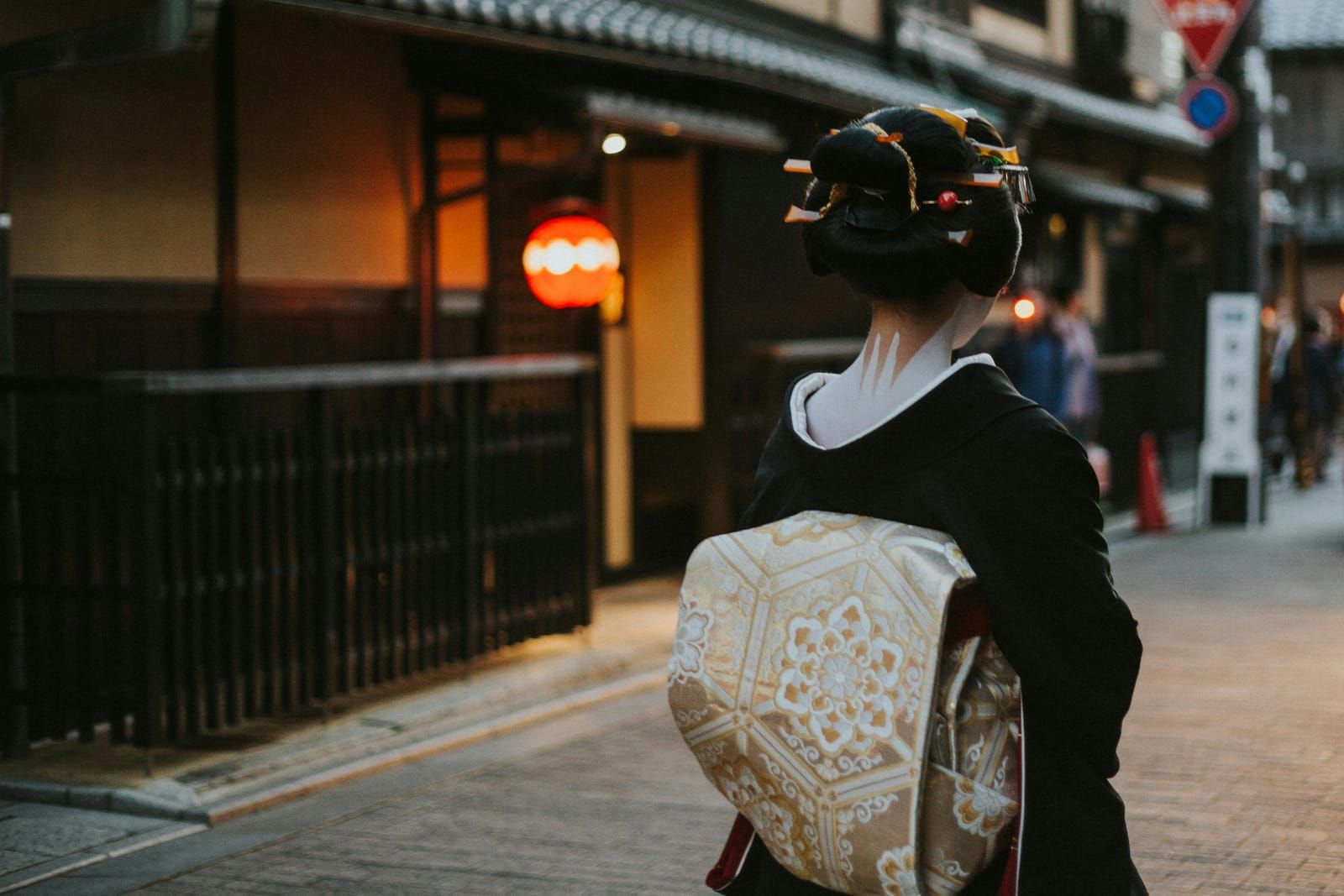
Kyoto’s geisha districts are working neighborhoods, not attractions, and the difference matters — maiko and geiko are on their way to appointments, not on display. This guide explains who you are actually looking at, where and when you might see them, and the photography rules that carry real fines in Gion.
The Hanamachi System
Kyoto has five active hanamachi — the traditional districts where geisha arts are practiced:
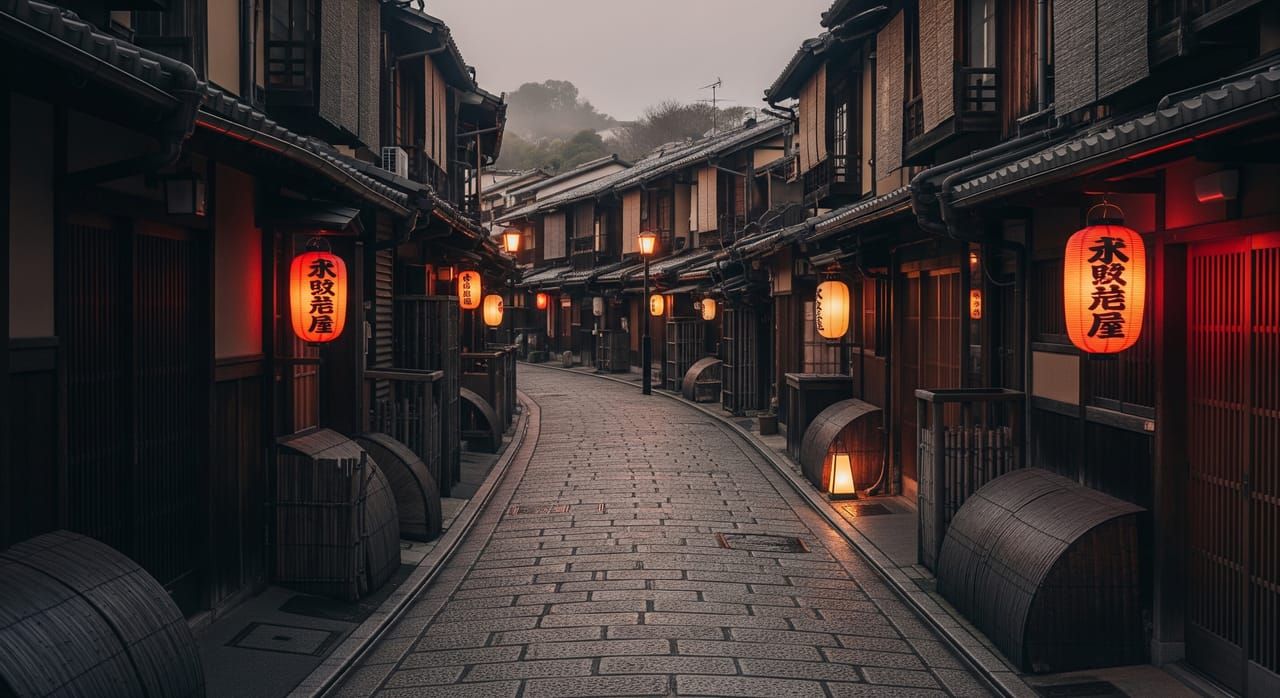
- Gion Kobu — The largest and most prestigious. Centered on Hanamikoji Street.
- Gion Higashi — Smaller, quieter, adjacent to Gion Kobu.
- Miyagawacho — Between Gion and the Kamo River; supplies dancers for Kabuki theater.
- Ponto-cho — The narrow alley between Shijo and Sanjo along the Kamo River.
- Kamishichiken — The oldest geisha district, near Kitano Tenmangu Shrine in northern Kyoto.
Each hanamachi has its own tea ceremony lineage, dance style, and seasonal performances.
 GION KOBU
 Maiko vs Geiko: How to Tell Them Apart
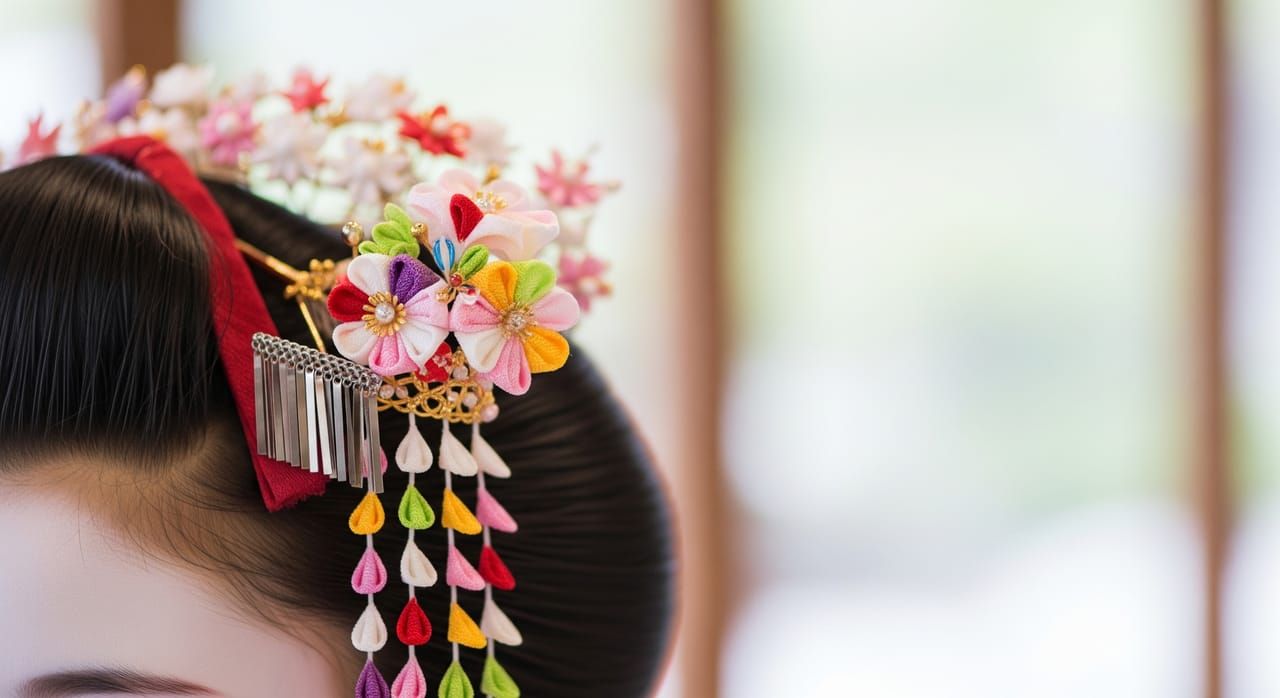
Maiko are apprentice geisha aged approximately 15–20 undergoing a multi-year training period (shikomi and minarai stages before becoming maiko). Their appearance is deliberately elaborate and theatrical:
- Long hanhaba (darari) obi sash trailing almost to the ground
- Hair styled with their own natural hair (or wigs in later stages) with seasonal ornamental combs and flowers (kanzashi)
- Distinctive split-toed okobo platform wooden sandals, 10–15cm tall
- Heavy white foundation (shironuri) with red lip accents and red eye makeup
Geiko (fully qualified) wear:
- More subdued, expensive kimono (typically darker colors)
- Smaller, simpler hair ornaments
- Lower sandals
- Less theatrical makeup
Both move quickly and purposefully during evening hours — they have scheduled appointments at teahouses.
The easiest tell: look at the obi sash. A maiko’s darari obi trails almost to the ground and is printed with her okiya’s crest. A geiko’s obi is tied in a shorter, more conventional style. The height of the sandals also gives it away — maiko okobo are unmistakably tall.
 MAIKO
MAIKO When and Where to See Them
Where: Gion — specifically Hanamikoji Street (north of Shijo) and the Shimbashi area — is the best location. Miyagawacho and Ponto-cho are secondary options with somewhat lower visitor density.
When: Weekday evenings, approximately 5pm–7pm. This is the window when maiko and geiko move from their okiya (geisha house) to their ozashiki appointments. Weekend evenings have more tourists but are not necessarily better for sightings — the geisha move no more slowly because of the crowds.
Likelihood: Not guaranteed. On a quiet weekday evening in Gion, it’s more likely than not that you’ll see at least one. During Gion Matsuri (July) or major cultural events, probability increases.
Best window for sightings; moderate visitor traffic on Hanamikoji
More tourists, equal chance of sightings — geisha keep their schedule regardless
Maximum crowds; maiko appear at public events but streets are packed
Tuesday through Thursday evenings tend to have fewer tourists than weekends while still falling within normal ozashiki schedules. Arrive on Hanamikoji by 5:30pm and wait near the northern end — the okiya cluster closer to the Gion Kobu Kaburenjo theater.
How to Behave
The rules are simple and important:
-
Do not block their path. Maiko and geiko are working professionals going to appointments. If you see one walking, move to the side.
-
Do not call out or try to engage them. They will not pose for tourist photographs. Shouting or following them is rude.
-
Photography from a respectful distance is acceptable. A photo taken from the side of the street as they pass is different from thrusting a camera in their face.
-
Follow posted signs. Parts of Gion have signs prohibiting photography in certain alleys. These signs exist because tourist harassment became genuinely problematic. Respect them.
-
Do not touch or grab their clothing. This has happened enough to be worth stating explicitly.
Several alleys in Gion — particularly off Hanamikoji — now have official signs prohibiting photography of geisha and maiko. Violations can result in fines from the local district association. Even where photography is technically permitted, blocking someone’s path or following them is unacceptable behavior that contributes to the harassment problem that has made the community consider further restrictions.
Legitimate Ways to Experience Geisha Culture
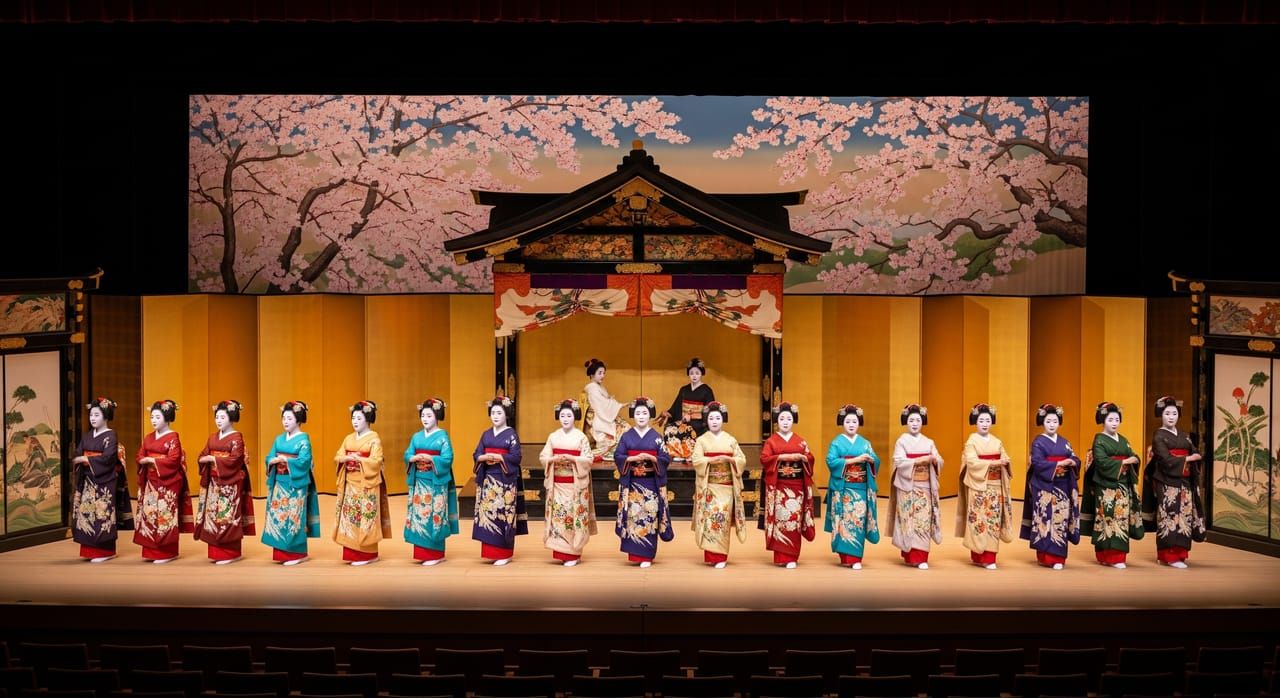
Odori (seasonal dance performances): Each hanamachi holds public dance performances annually — Miyako Odori (Gion Kobu, April), Kamogawa Odori (Ponto-cho, May), Kitano Odori (Kamishichiken, March–April). These are the most accessible legitimate way to see geisha and maiko performing. Tickets sell out in advance; book through authorized channels.
Ozashiki experiences: A small number of organizations facilitate genuine ozashiki experiences for tourists, often at premium prices. The Gion Hatanaka ryokan and a few others offer access. These are legitimate but require significant advance planning and budget.
Cultural events: Maiko sometimes appear at public events during Gion Matsuri and other major Kyoto festivals.
Odori theater tickets run ¥2,000–¥4,500 and include a tea ceremony option. A legitimate tourist-facing ozashiki starts at around ¥30,000 per person and can exceed ¥80,000. For most visitors, the Odori performances offer an authentic, respectful, and far more accessible entry into geisha culture.
 MIYAKO ODORI
 Related: Gion District Guide for the neighborhood context. Gion Matsuri Guide for the festival when geisha culture is most publicly visible.
See Gion in the evening: Our Gion Night Walk explores the district after dark with a local guide who can share the neighborhood’s living history.
// The Hanamachi After Dark
See the district properly,
not through a lens
Standing on Hanamikoji waiting for a photo is the worst way to experience the geisha district. Our Gion Night Walk covers the same streets with the context that makes them make sense.
FAQ
What is the difference between a maiko and a geisha? ▼
Are there still real geisha in Kyoto? ▼
Can tourists attend an ozashiki (geisha banquet)? ▼
Is it okay to photograph geisha or maiko? ▼
RELATED GUIDES
Where to See a Magic Show in Kyoto
A practical guide to where you can actually see magic in Kyoto: immersive cabaret, classic Gion magic bars, and high-end dinner-and-magic experiences, with maps and planning tips.

Is Tipping Rude in Japan? The Honest Answer
Do you tip in Japan, and is it rude? The honest answer: it is not expected, but for guides and small hosts, it can be genuinely appreciated.
Kimono Rental in Kyoto: Best Shops & What It Costs
How to rent a kimono in Kyoto: prices, what's included, the best rental shops near Higashiyama and Gion, what to expect during dressing, and practical tips for wearing one all day.
Local guide based in Gion, Kyoto. Leading small-group walking tours and cultural workshops since 2024. Passionate about connecting travelers with authentic Kyoto culture.