
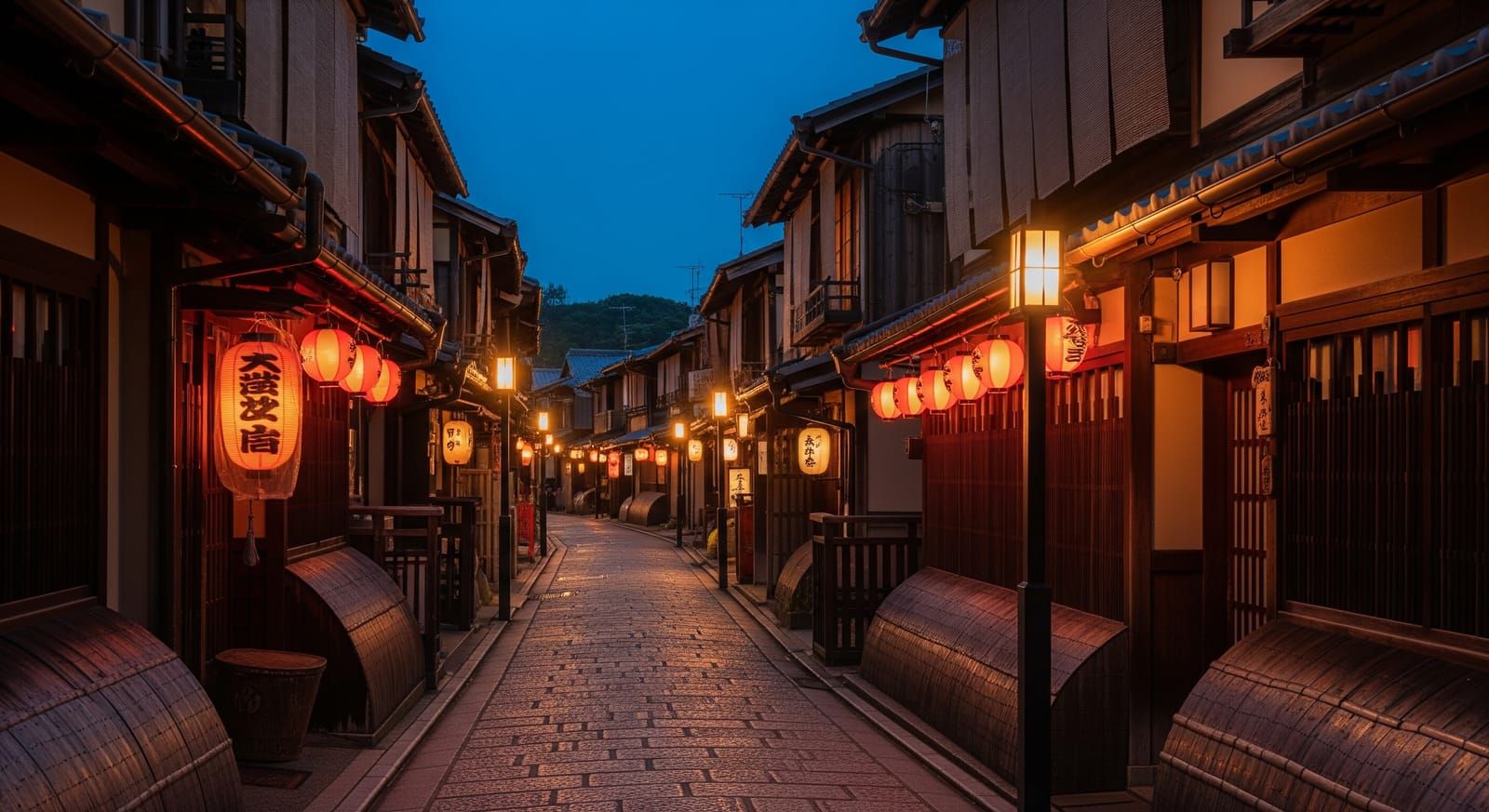
NEIGHBORHOODS
Gion District Guide: Geisha, Evening Walks & Hidden Spots
Gion is Kyoto’s most famous district and its most misunderstood — a working entertainment quarter that most visitors experience as a 20-minute walk down one crowded street. This guide covers the lanes worth finding, the hours that transform the place, and the etiquette that keeps you welcome.
What Gion Is
Gion is Kyoto’s most famous hanamachi — a “flower town,” the term for neighborhoods where geisha arts are practiced. It sits on the eastern bank of the Kamo River, between Shijo and Sanjo avenues, and extends up into the hills around Yasaka Shrine.
The district has two main sub-areas with distinct characters:
Gion Kobu (the larger, southern area): Home to Hanamikoji Street, the ochaya teahouse row, and the highest concentration of traditional architecture. This is where most visitors go.
Gion Higashi (smaller, to the north): Quieter, fewer tourists, and the neighborhood that supplied dancers for Yasaka Shrine. The streets around Shimbashi and the Shirakawa canal are among the most beautiful in Kyoto.
The Key Streets
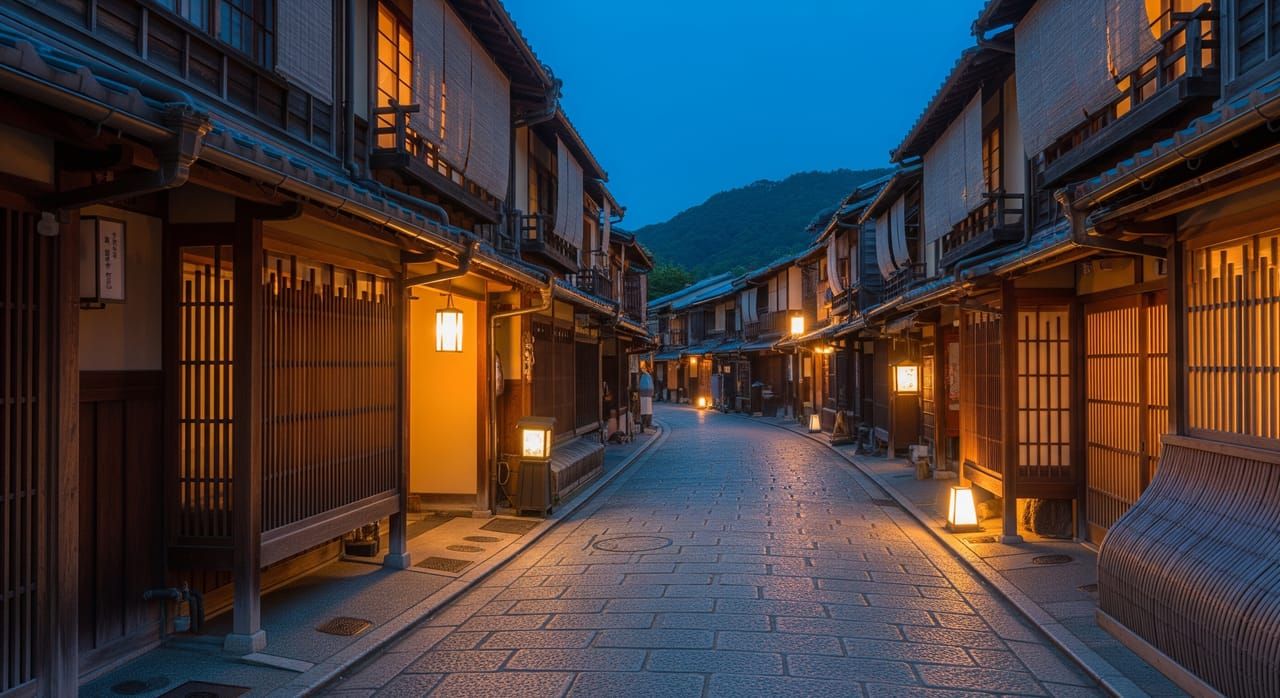 HANAMIKOJI · EVENING
 Hanamikoji Street
The long street running north from Shijo through old Gion. The southern half (north of Shijo) is lined with ochaya — private tea houses where geisha entertain clients at exclusive banquets. The wooden lattice facades and hanging lanterns have remained essentially unchanged for two centuries. This is where maiko and geisha hurry to evening engagements.
The northern half (south of Shijo) is more commercial — restaurants and souvenir shops.
Shimbashi and Shirakawa Canal
On the northern edge of Gion, the stone-paved Shimbashi lane runs alongside the Shirakawa canal beneath rows of weeping willows. Evening light reflecting off the water through the lanterns is quintessential Kyoto. Less crowded than Hanamikoji and arguably more beautiful.
Ishibei-koji Lane
One of Kyoto’s most atmospheric streets — a short, narrow lane paved with flat stones, framed by high walls and traditional facades. No shops, no traffic, very few people even at peak hours. A 5-minute detour for one of the best photographs in the city.
Nene-no-michi
A stone path running behind Kodaiji Temple toward Higashiyama, named for the wife of Toyotomi Hideyoshi. Connects Gion to the Higashiyama walking district.
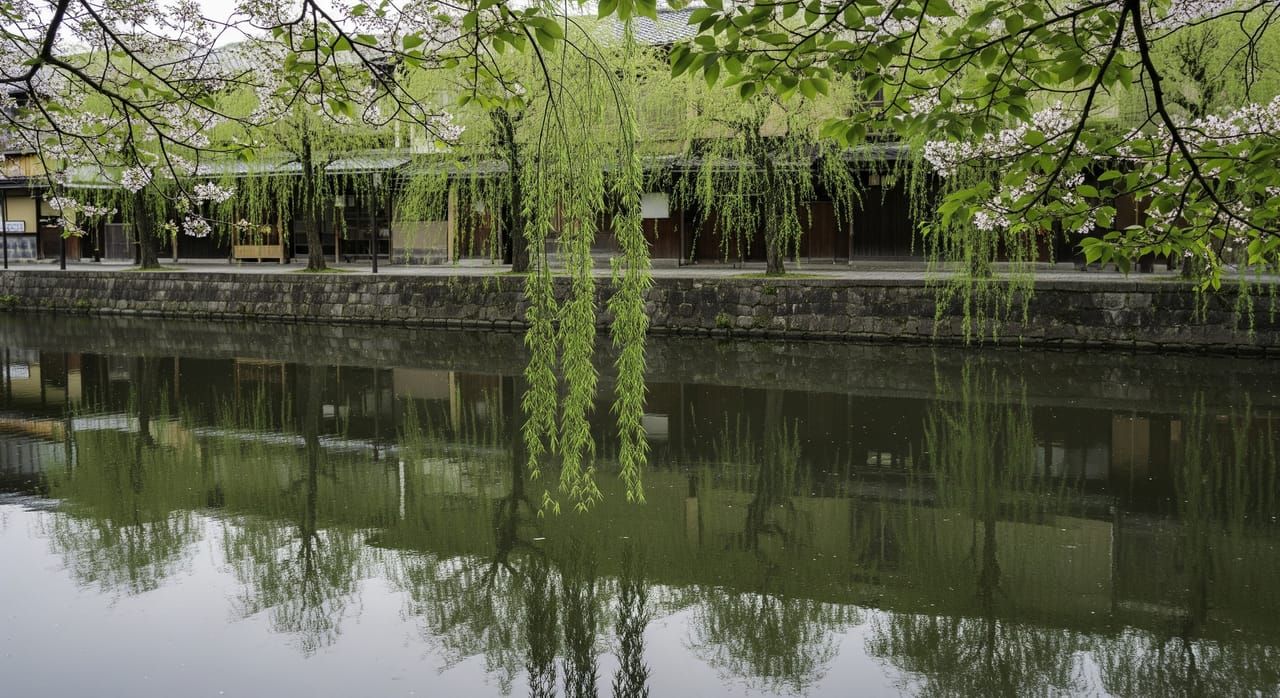 SHIMBASHI CANAL
 When to Visit
Evening (5pm–9pm) is when Gion comes alive. The lanterns glow, the crowds from midday tours clear, and the district takes on the atmospheric quality it’s known for.
Tour groups at peak — busy and photo-difficult
Crowds thinning, lanterns starting to glow
Best atmosphere — locals, diners, occasional maiko
Busier than weekdays but still pleasant
Maiko sightings: The window is roughly 5pm–7pm on weekdays near Hanamikoji. Maiko are typically apprentice geisha aged 15–20, recognizable by elaborate kimono and hairstyles. Geisha (fully qualified) wear simpler, darker kimono. Both move quickly and purposefully to evening appointments.
Do not approach, follow, or block the path of maiko or geisha. Do not call out to them or attempt to photograph them without clear consent. These are working professionals moving to client appointments — harassment, even well-meaning, is a serious issue in Gion. Observe from a respectful distance. This is not optional courtesy — it’s what allows the district to remain a functioning neighborhood.
Position yourself on Hanamikoji between 5:30pm and 6:30pm on a weekday. Stand against the building wall (not in the middle of the lane), stay quiet, and wait. If you see someone, step back and let them pass. A sighting is never guaranteed — some evenings produce three in an hour, others none.
Gion Matsuri (July): The district is the center of Kyoto’s largest festival — the streets fill with evening celebrations throughout the month. See the Gion Matsuri Guide.
Food and Drink
Gion has excellent dining options at every price point. A few recommendations:
- Kaiseki along Hanamikoji: The high-end restaurant row runs through the district. Reservations required weeks in advance for top-tier kaiseki.
- Izakayas near Gion-Shijo station: More accessible, lively, and perfect for sake with grilled food.
- Nishiki Market: 10-minute walk west — an excellent daytime food destination.
One block from Gion, the narrow Pontocho alley running parallel to the Kamo River has some of Kyoto’s finest dining at every price point. Walk the full alley first to read menus, then choose. Weekend reservations for sit-down restaurants are strongly recommended.
Continue to: Maiko & Geisha: What to Know for background on the culture. The Higashiyama Walking Guide connects directly with Gion.
Join us for an evening walk: Our Gion Night Walk explores Gion after dark with a local guide, from Hanamikoji to Yasaka Shrine.
// Gion With a Local
You have the map.
Now hear the stories
Gion's best stories are not written on any sign, and almost none of them are in English. Our Gion Night Walk tells them with a guide who lives in Kyoto, from Hanamikoji to Yasaka Shrine.
FAQ
Is it possible to see geisha in Gion? ▼
Is Gion safe to walk at night? ▼
Where exactly in Gion should I go? ▼
Are there parts of Gion that are off-limits to tourists? ▼
RELATED GUIDES
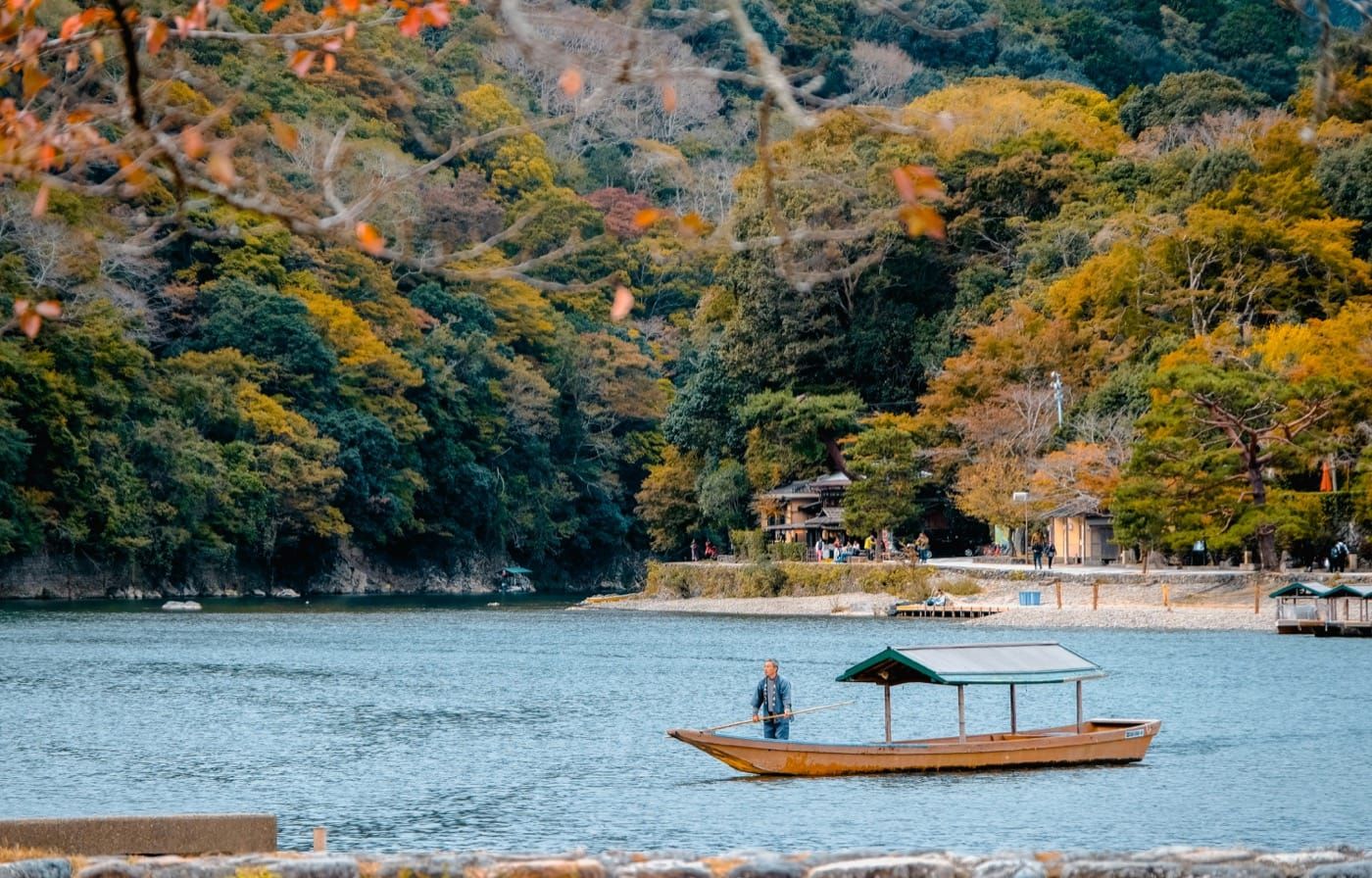
Arashiyama Guide: Bamboo, Temples & Riverside Walks
Complete guide to the Arashiyama district: what to see beyond the bamboo grove, the best walking routes, hidden temples, and how to spend a half or full day here.
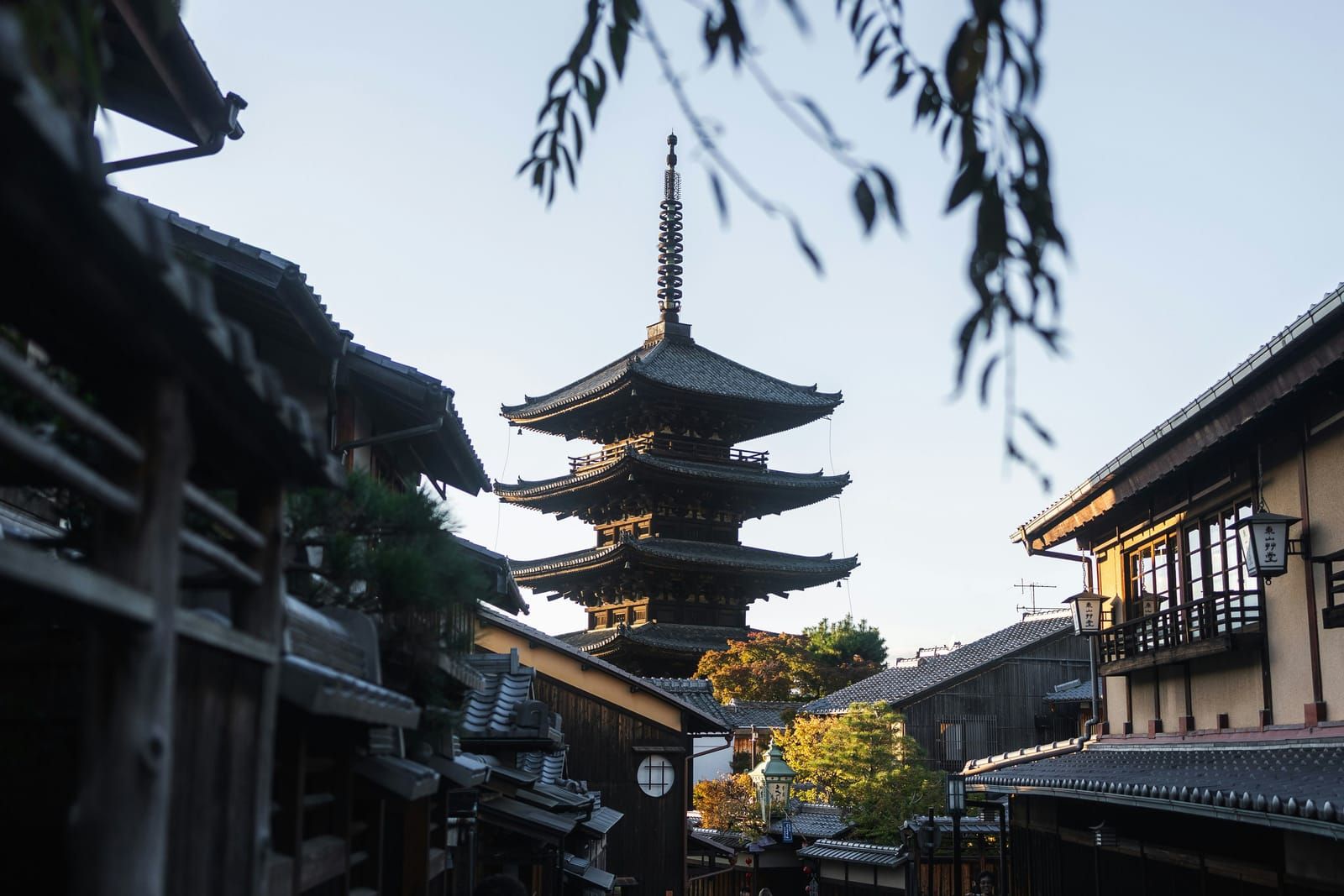
Higashiyama District: Complete Walking Guide
Walk the full Higashiyama district: the best route from Kiyomizudera to Yasaka Shrine through Sannenzaka, Ninenzaka, and Ishibei-koji, with timing and food tips.
Local guide based in Gion, Kyoto. Leading small-group walking tours and cultural workshops since 2024. Passionate about connecting travelers with authentic Kyoto culture.