
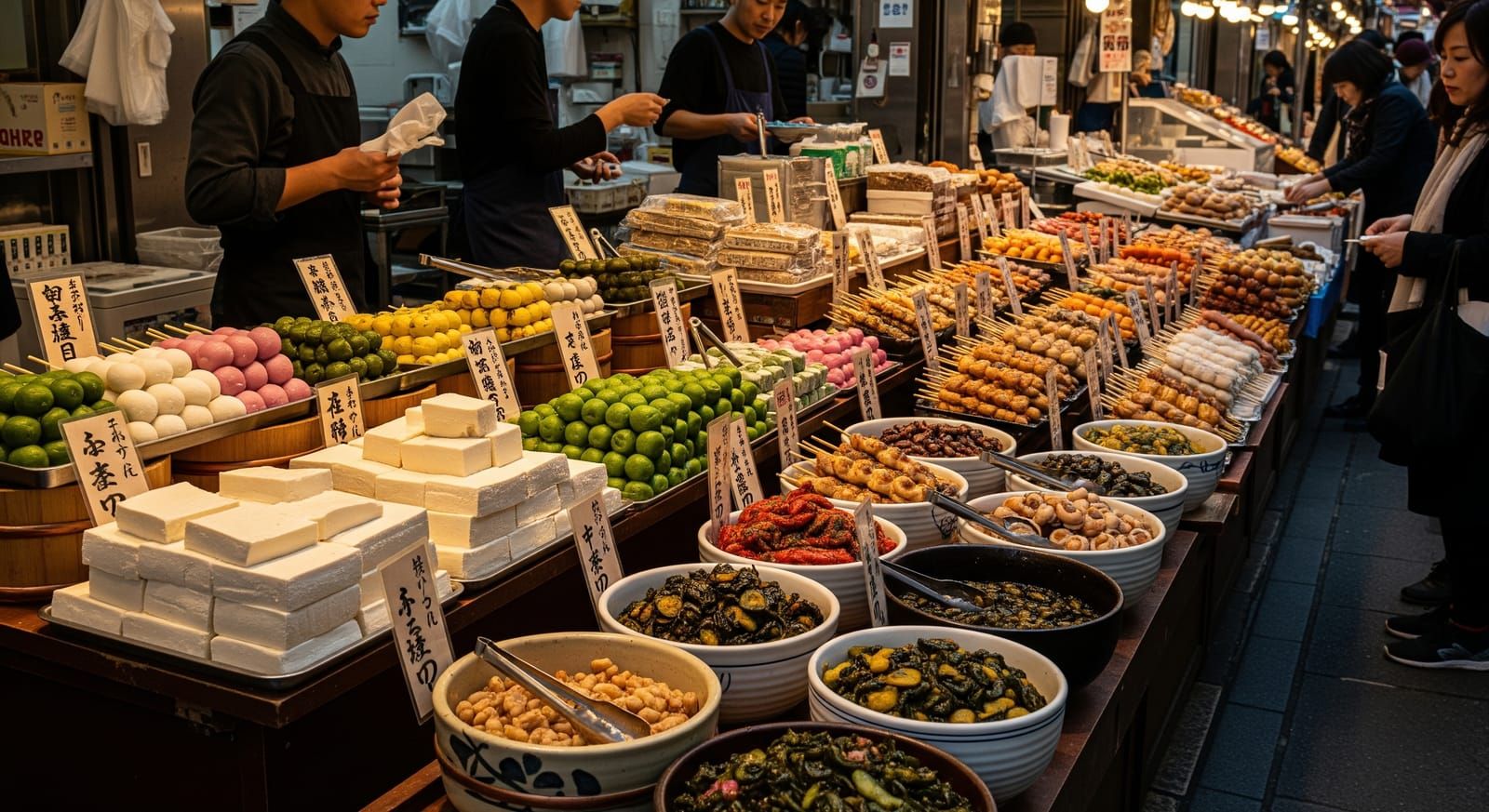
FOOD & DRINK
What to Eat in Kyoto: 15 Must-Try Dishes
Kyoto’s food is defined by what the city didn’t have: no coastline, so no sushi tradition; a court and temple culture instead, which produced tofu, pickles, and kaiseki. These are the 15 dishes that reflect that, and where to find versions worth the trip.
Most traditional kaiseki restaurants — especially for lunch — require reservations days or weeks in advance. If you arrive without one, aim for lunch sets at counter-style restaurants or ask your hotel concierge to call on your behalf.
The 15 Things to Try
1. Kaiseki
Kyoto’s contribution to world cuisine — a multi-course meal following strict seasonal and aesthetic principles. Each dish uses ingredients at their peak and is presented with an arrangement as considered as the flavor. Even a modest kaiseki set lunch (¥3,000–¥5,000) at a traditional restaurant demonstrates the principles. Book in advance.
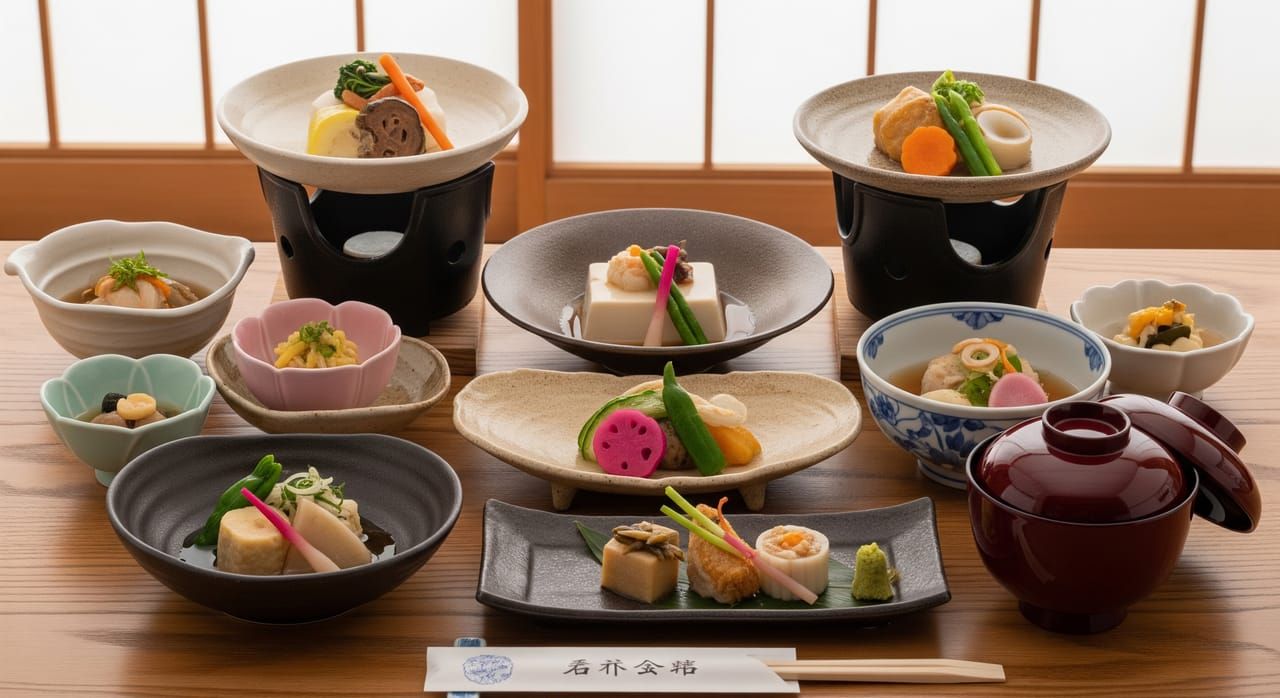 KAISEKI
 Kaiseki lunch sets offer the same seasonal format and presentation as the evening menus at a fraction of the price. A 5–8 course set at ¥3,500–¥7,000 is one of the best value moves in Kyoto dining — and most seats are easier to book than dinner.
2. Obanzai
The daily cooking of Kyoto households — small dishes of pickles, simmered vegetables, tofu, and occasionally small fish, served in wooden lacquer dishes. The best obanzai restaurants rotate their menu with what’s in season. Lunch sets averaging ¥1,500–¥2,500 are widely available in the Nishiki and Teramachi areas.
3. Kyo-tofu (Kyoto Tofu)
The silk-soft tofu produced from Kyoto’s soft water bears little resemblance to the firmer block tofu of most Japanese cooking. Try hiyayakko (cold tofu with toppings), yudofu (hot-pot tofu), or as a component of obanzai. Tousuiro restaurant in Arashiyama specializes in tofu cuisine and is worth the trip.
Kyoto sits above one of Japan’s softest aquifers. The low mineral content in the water produces an unusually delicate, almost custard-like curd that dissolves on the tongue — a texture impossible to replicate with harder water. Yudofu (simmered tofu) showcases this best.
4. Yatsuhashi
The canonical Kyoto souvenir: triangles of soft rice dough (nama yatsuhashi) wrapped around anko (red bean paste) or flavored fillings, lightly dusted with cinnamon. The plain baked version (hard yatsuhashi) is a traditional tea accompaniment. Found everywhere — the best shops make them fresh.
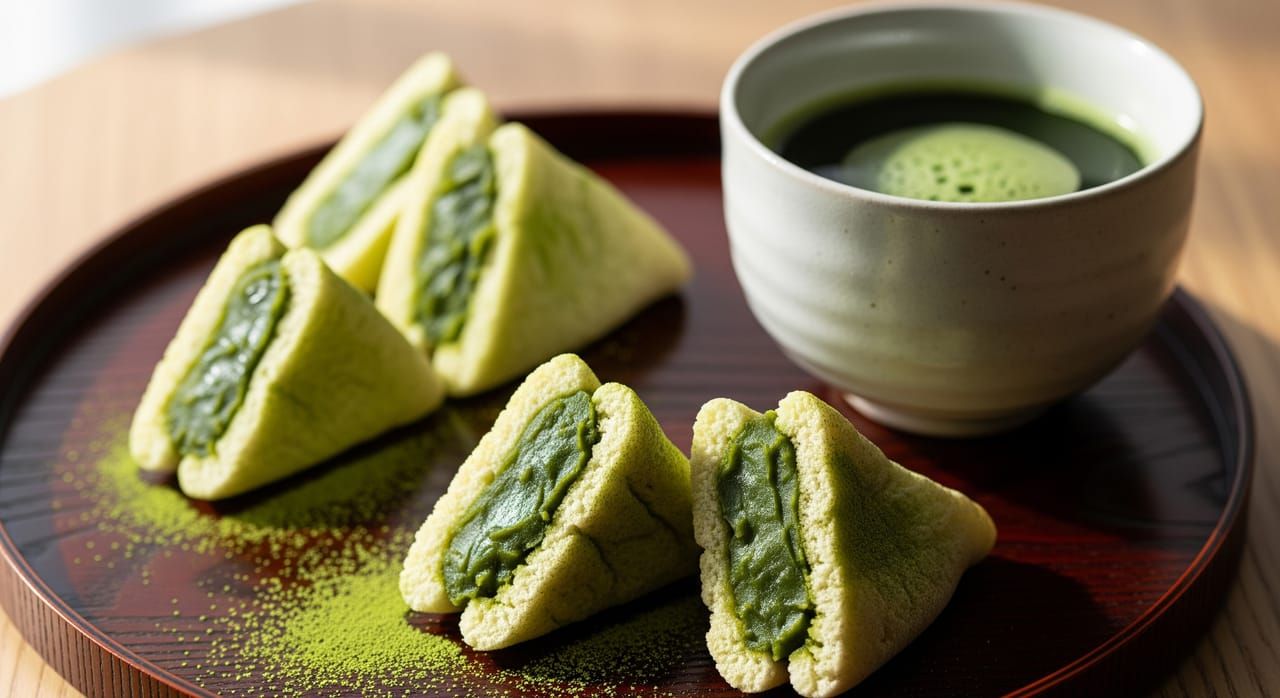 SWEET
SWEET 5. Matcha Everything
Kyoto’s connection to Uji (the matcha capital of Japan, 20 minutes south) means the quality of matcha in Kyoto is exceptional. Try: matcha soft serve (from Nishiki Market or Ninenzaka slope shops), matcha parfait, matcha roll cake, and most importantly — a proper bowl of whisked matcha at a tea ceremony. See the Tea Ceremony Guide.
The matcha soft serve and sweets in Kyoto use genuine ceremonial-grade powder from Uji — noticeably more complex and less bitter than the matcha-flavored products found elsewhere in Japan. The deep green color is a reliable indicator of quality.
6. Kyo-Kaiseki Lunch
Several kaiseki restaurants offer significantly more accessible lunch sets than their evening menus. ¥3,500–¥7,000 for 5–8 courses following the full seasonal format. Making a reservation for a kaiseki lunch is one of the best value moves in Kyoto dining.
7. Misonikomi Udon (or Kyoto-style light broth udon)
Kyoto prefers lighter, almost clear dashi broths for udon compared to the heavier styles of Osaka or Tokyo. The city also has a particular affection for nabeyaki udon (earthenware pot udon) in winter. Try the udon shops in the covered Nishiki or Teramachi arcades.
8. Fu
Wheat gluten, a Kyoto staple dating from Buddhist temple cooking. Prepared as fu no dengaku (grilled and glazed with miso) or added to soups and hot pots. Subtle flavor, distinctive chewy-silky texture. An acquired taste worth acquiring.
9. Kyoto Ramen (Tori Paitan)
Kyoto-style ramen typically uses a heavy chicken-based paitan (white broth) or a chicken-soy broth topped with green onions. Different from the tonkotsu of Hakata or the miso of Sapporo. Torisei on Fushimi is excellent; many strong local ramen shops operate in the Kawaramachi and Shijo areas.
Extremely congested 11am–2pm on weekends — go at opening (10am) or after 3pm
Many stalls open by 9:30am; manageable crowds before 10:30am on weekdays
Moderate queues at peak lunch; most move quickly
10. Tsukemono (Pickles)
Kyoto pickles (kyo-tsukemono) are an art form — preserved vegetables in salt, vinegar, rice bran, sake lees, or koji. Varieties include: shibazuke (red shiso eggplant, deep purple), suguki (turnip in lactic fermentation), and senmaizuke (thin-sliced turnip). Nishiki Market has the best selection to sample.
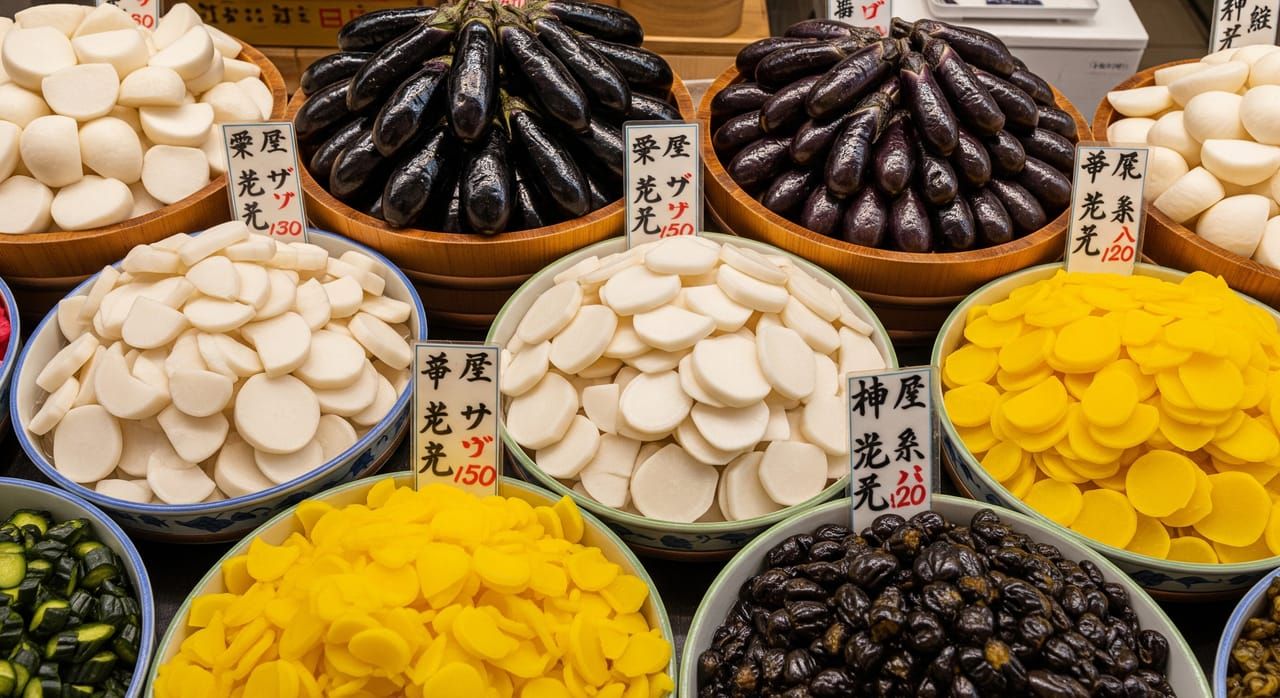 NISHIKI MARKET
 11. Kamo-nasu (Kyoto Eggplant)
A large, round, dark purple eggplant unique to Kyoto, available primarily in summer. Grilled with miso (nasu dengaku) or used in ohitashi and simmered dishes. The flesh is dense and creamy — quite different from the long, thin eggplant used elsewhere.
12. Kyoto-style Sushi (Saba-zushi)
Pressed mackerel sushi (saba-oshi) is the traditional Kyoto form — the city is landlocked, so historically fish arrived cured or preserved. Salted mackerel layered over vinegared rice and pressed in wooden molds. Izuju on Shijo is the definitive old-school source.
Without coastal access, Kyoto developed a sushi tradition based on preserved and pickled fish rather than fresh raw fish. Saba-zushi is made a day ahead and served at room temperature — closer to early Edo-period sushi than the nigiri most visitors expect.
13. Warabi-mochi
Soft, almost translucent dumplings made from bracken starch, dusted in kinako (roasted soybean flour) and served with kuromitsu (black sugar syrup). A traditional Kyoto sweet. Better quality than the versions found in convenience stores — buy from a proper wagashi shop.
14. Sake from Fushimi
Fushimi, the area around the famous Fushimi Inari shrine, is one of Japan’s premier sake-producing districts. Soft water, historic breweries, clean and slightly sweet profile. Several breweries offer tastings. See the Sake in Kyoto Guide.
Several Fushimi breweries — including Gekkeikan Okura Sake Museum — offer tasting sets for ¥400–¥800. The area is walkable from Fushimi Inari and makes a natural pairing: morning at the shrine, sake tasting in the afternoon.
15. Kyoto Beef (Wagyu from Kyoto Prefecture)
Less famous than Kobe or Matsusaka beef but significantly more accessible in price. Local wagyu is served at high-end teppanyaki and shabu-shabu restaurants throughout the city. A genuine treat if the budget allows.
More food reading: Nishiki Market Guide for the street food run, Vegetarian & Vegan Kyoto for plant-based options, and Sake in Kyoto for what to drink alongside all of it.
Evening with local eats: Our Kyoto Izakaya Hopping tour visits local izakayas in Pontocho and Kiyamachi — the best way to eat and drink your way through Kyoto with a local guide.
// Kyoto Local Experience
Explore Kyoto
with a Local Guide
Skip the crowds and see the Kyoto most visitors never find. Small-group tours led by local experts — built around genuine stories, hidden spots, and real connections with the city.
FAQ
What is Kyoto cuisine called? ▼
Is Kyoto food expensive? ▼
What is tofu so special in Kyoto? ▼
Where is the best place to eat cheap and well in Kyoto? ▼
RELATED GUIDES
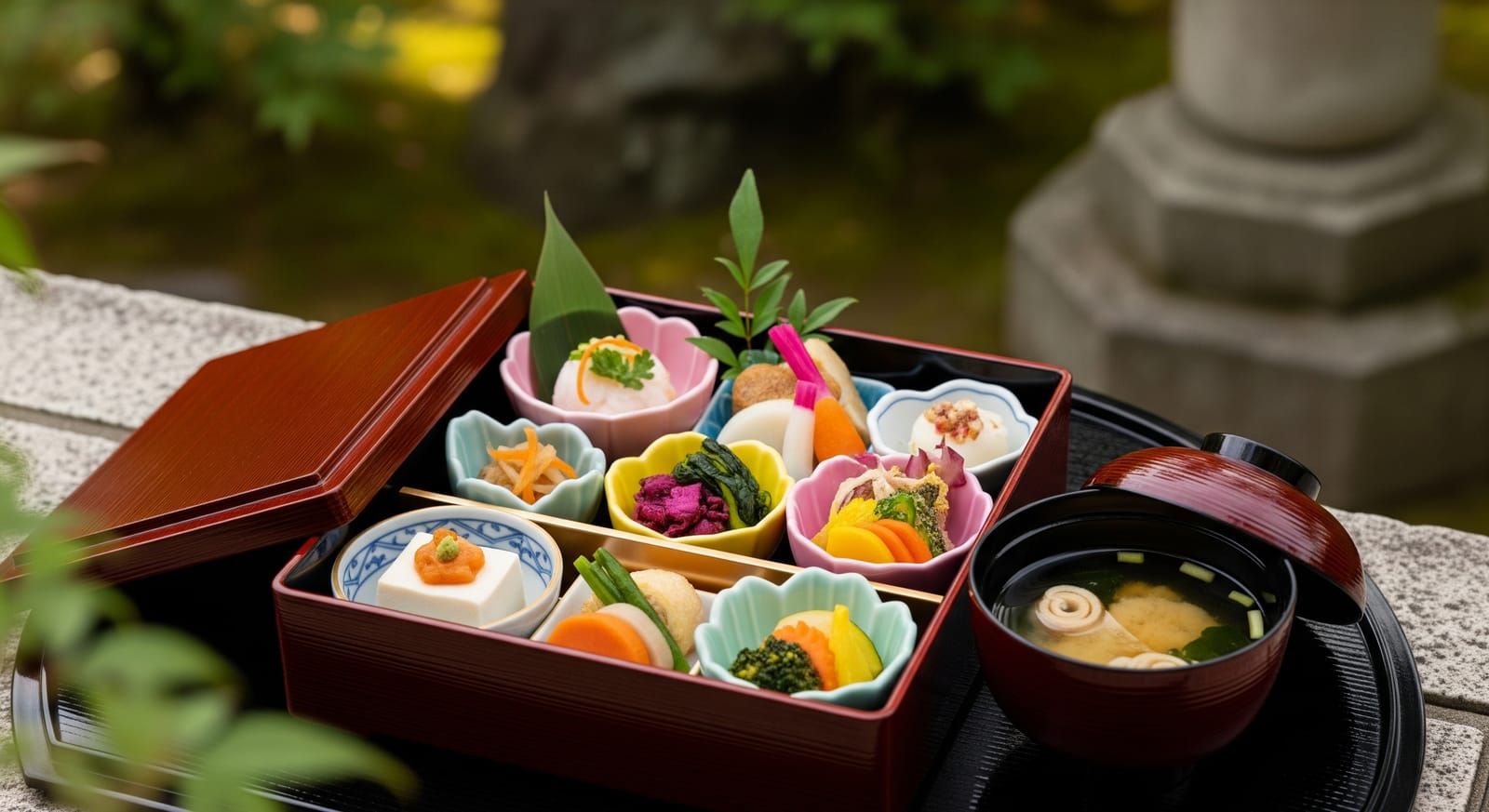
Vegetarian & Vegan Kyoto: Where to Eat & What to Order
A practical guide to eating vegetarian and vegan in Kyoto: Buddhist shojin ryori, the best plant-based restaurants, how to navigate menus, and useful phrases.
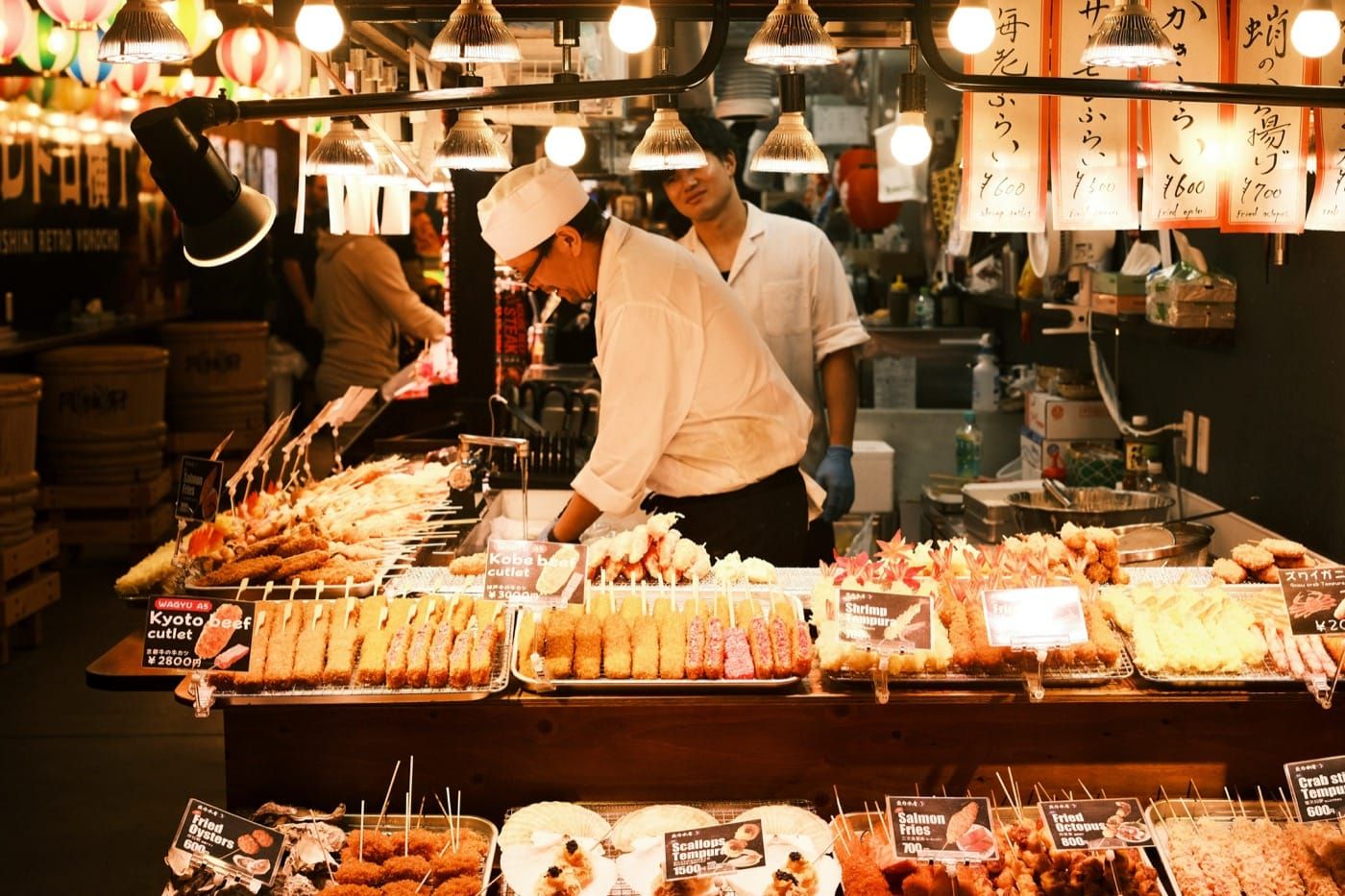
Nishiki Market Food Guide: What to Try Stall by Stall
Navigate Nishiki Market like a local: the best stalls, what to eat, what to skip, opening hours, and how to make the most of Kyoto's famous covered food market.
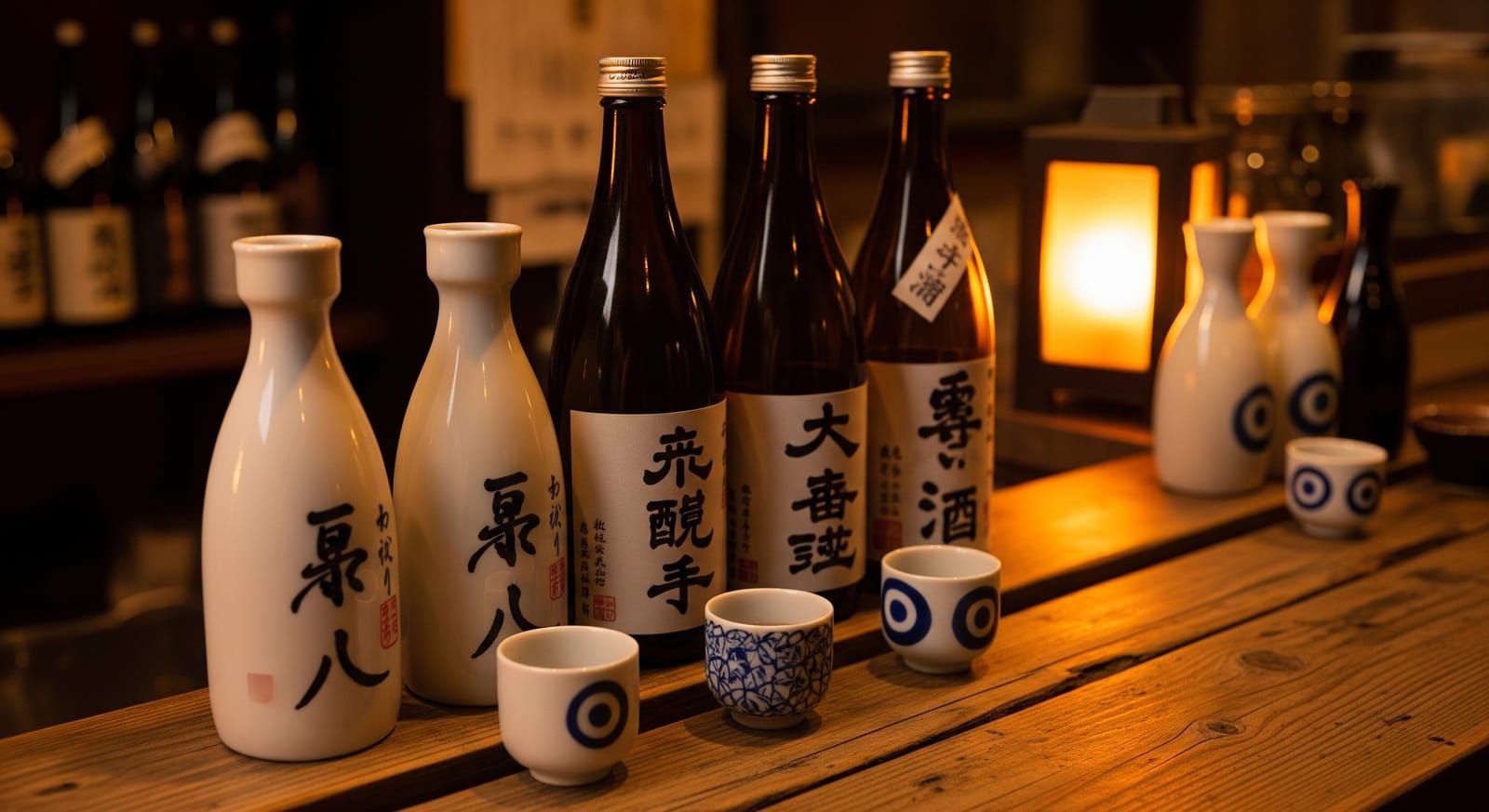
Sake in Kyoto: Fushimi Breweries, Bars & Tasting Tips
How to explore sake in Kyoto: the Fushimi brewery district, best izakayas and sake bars in Gion, tasting tips for beginners, and what makes Fushimi sake distinct.
Local guide based in Gion, Kyoto. Leading small-group walking tours and cultural workshops since 2024. Passionate about connecting travelers with authentic Kyoto culture.