
DAY TRIPS
Nara Day Trip from Kyoto: Deer, Temples & Getting There
Nara was Japan’s capital before Kyoto was, and it packs a UNESCO-listed shrine, the country’s largest bronze Buddha, and 1,300 free-roaming deer into an area you can cross on foot. It is 35 minutes from Kyoto Station, which makes it the easiest half-day escape in the region — this guide covers which train to take, what to see, and how the deer actually behave.
Getting There
| Option | Arrives at | Time | Fare | JR Pass |
|---|---|---|---|---|
| Kintetsu Limited Express | Kintetsu-Nara | 35 min | ¥1,280 | No |
| Kintetsu Express (急行) (best value) | Kintetsu-Nara | 45–50 min | ¥760 | No |
| JR Nara Line (rapid) | JR Nara | 45 min | ¥720 | Yes |
Option 1: Kintetsu to Kintetsu-Nara (Recommended)
Depart from Kintetsu Kyoto Station (adjacent to JR Kyoto Station, one level down) on the Kintetsu Kyoto Line to Kintetsu-Nara Station.
The Limited Express takes 35 minutes and costs ¥1,280 — a ¥760 base fare plus a ¥520 reserved-seat surcharge. But the ordinary Express (急行) runs the same route for just the ¥760 base fare in 45–50 minutes, with no reservation needed. Unless you are tight on time, the Express saves ¥520 each way for ten extra minutes, and it is what most locals take.
Either way, Kintetsu-Nara Station puts you in the centre of Nara, within walking distance of the park and the main sights. This is the most convenient arrival point.
The JR option is free with a JR Pass and is the logical choice if you have one. From JR Kyoto Station, take the JR Nara Line to JR Nara Station — rapid trains take 45 minutes; local trains take 75 minutes.
Option 2: JR Nara Line
From JR Kyoto Station, take the JR Nara Line to JR Nara Station. Local trains take 75 minutes (¥720); rapid trains take 45 minutes on limited schedules. JR Nara Station is slightly further from Nara Park than Kintetsu-Nara Station — about 15 minutes on foot or a bus/taxi ride.
 GETTING THERE
 What to See
Nara Park and the Deer
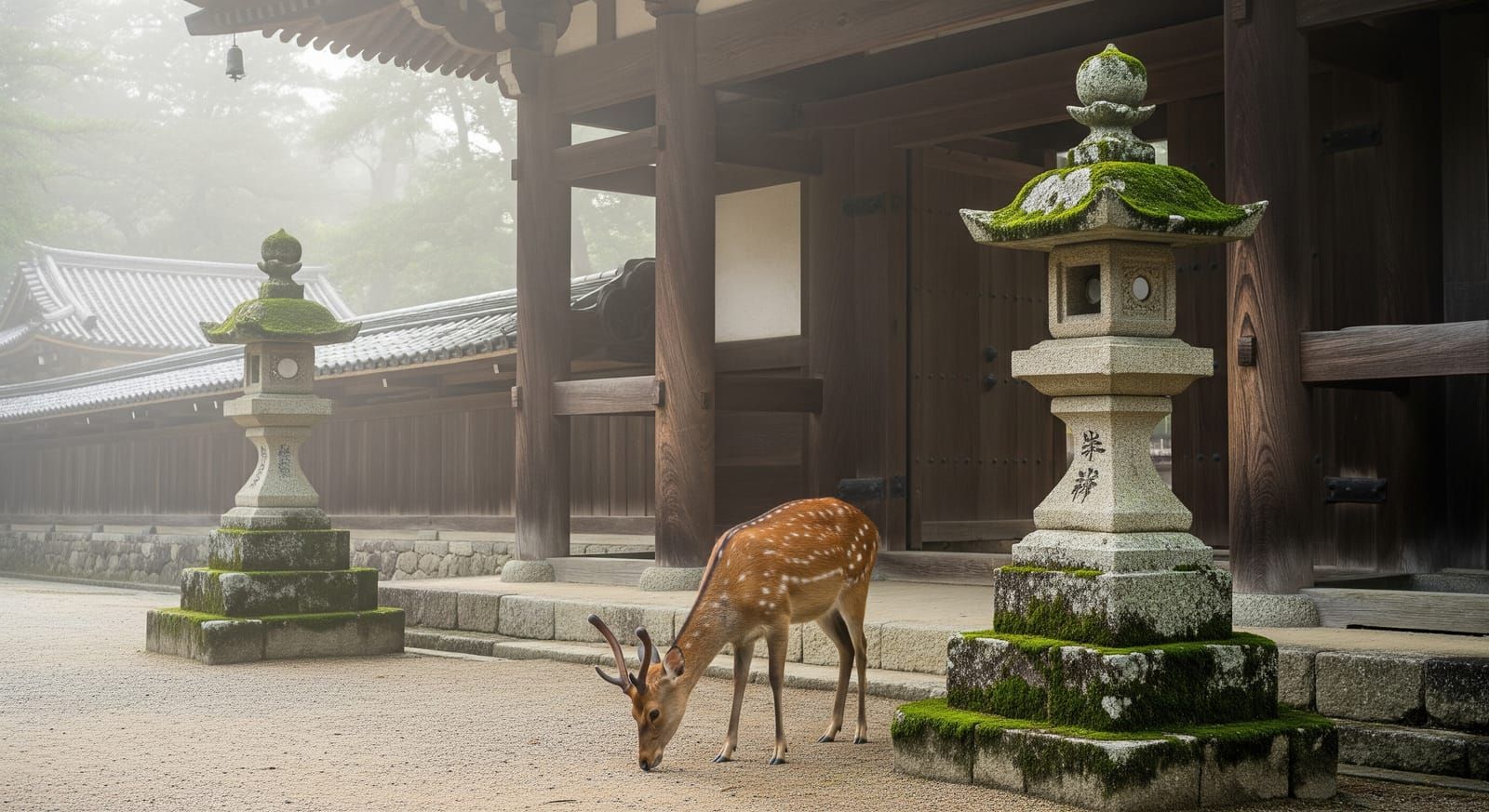
Nara Park (Nara Koen) is a large public park covering 660 hectares that surrounds the main temples and shrines. Approximately 1,300 sika deer (shika) live here semi-wild — they are considered sacred messengers of Kasuga Shrine’s kami (deity) and have roamed freely since the 8th century.
Deer crackers (shika senbei, ¥200 per bundle) are sold by vendors throughout the park. The deer have learned to bow for crackers and will follow anyone carrying food. They are wild and occasionally pushy but generally gentle. Keep food hidden when not actively feeding to avoid aggressive crowding.
Deer are wild animals. Bucks can be aggressive during autumn rut season (October–November). Never corner a deer, keep small children supervised, and immediately hide any food bags — deer will push and nip if they smell hidden snacks.
 NARA PARK
 Deer park and Todai-ji approach much quieter; ideal for photos
Todai-ji entrance and deer areas around vendors get very busy
Extremely crowded — arrive at opening or visit on a weekday
Todai-ji Temple
The Great East Temple (Todai-ji) houses the Daibutsu — the largest bronze Buddha statue in Japan, at 15 metres tall. The Daibutsuden (Great Buddha Hall) that shelters it is one of the largest wooden buildings on earth, and this is the rebuilt-in-1709 version: only about two-thirds the width of the 8th-century original, which gives you some idea of the scale of what stood here before.
Entry to the Daibutsuden is ¥800 (¥400 for children 6–12). The hall is genuinely awe-inspiring in scale. Look for the pillar with a hole in its base — passing through it is said to bring good luck, and its dimensions supposedly match one of the Buddha’s nostrils.
 TODAI-JI
 Inside Todai-ji, there is a wooden pillar with a rectangular hole at its base — roughly the size of one of the Buddha’s nostrils. Squeezing through is said to grant enlightenment in your next life. It’s a tight fit for adults but children love it.
Kasuga Taisha Shrine
A 20-minute walk through the deer park from Todai-ji, Kasuga Shrine is one of Japan’s most important Shinto shrines and a UNESCO World Heritage Site. Founded in 768 CE. The approach through ancient cedar forest is lined with hundreds of stone lanterns; the thousands of bronze hanging lanterns inside the inner shrine are lit twice yearly (Setsubun in February and Obon in August).
Entry to the outer grounds: free. Inner sanctuary: ¥500.
If your visit coincides with Setsubun (early February) or Obon (mid-August), Kasuga Shrine’s lantern lighting ceremonies are spectacular — thousands of stone and bronze lanterns lit simultaneously along the forest approach. Book any accommodation months in advance for these dates.
 KASUGA SHRINE
 Naramachi
The preserved merchant district south of the park, with machiya townhouses converted into cafes, craft shops, and small restaurants. 30–45 minutes to browse. A welcome change from the tourist-facing facilities near the main temples.
Skip the overpriced lunch spots near Todai-ji and head to Naramachi for a proper meal. Small ramen shops and set-lunch teishoku restaurants here serve locals as much as tourists — prices and quality both reflect it.
Recommended Half-Day Route
Arrive from Kyoto. Walk northeast from the station toward Nara Park — the deer start appearing within the first few minutes of leaving the station area.
Explore the Great Buddha Hall. Allow time for the pillar hole experience and to take in the scale of the Daibutsu. The surrounding Nandaimon gate with its giant Nio guardian statues is also worth pausing at.
Wander south through the deer park toward Kasuga Shrine. Buy a bundle of deer crackers and enjoy the famous bowing interaction. Keep bags closed and food hidden when not feeding.
Walk the stone lantern-lined cedar forest approach and explore the shrine grounds. The forested approach alone justifies the detour.
Lunch in the preserved merchant district. Browse machiya craft shops and cafes at a relaxed pace.
Return to Kyoto, arriving around 3:10pm — leaving the afternoon free for Kyoto activities.
For a full day, extend with Horyu-ji (world’s oldest wooden buildings, 20 min by bus from JR Nara).
More day trips: Osaka from Kyoto for food and neon, or Uji from Kyoto for matcha and a shorter half-day. For getting around back in the city, see How to Get Around Kyoto; to slot a day trip into a longer stay, the 3-Day Kyoto Itinerary.
Evening in Gion: a Nara morning pairs perfectly with a Gion evening — you are back in Kyoto with hours to spare. Our Gion Night Walk runs most evenings through the lanes behind Hanamikoji with a local guide.
// Morning in Nara, Night in Gion
Back in Kyoto by 3pm?
Keep the day going
A Nara half-day leaves the whole evening free. Our Gion Night Walk takes the old quarter after dark with a local guide — lanterns, quiet lanes, and none of the daytime crowds.
FAQ
How long does it take to get from Kyoto to Nara? ▼
How many hours do you need for a Nara day trip? ▼
Are the Nara deer dangerous? ▼
Is Nara worth visiting just for the deer? ▼
RELATED GUIDES
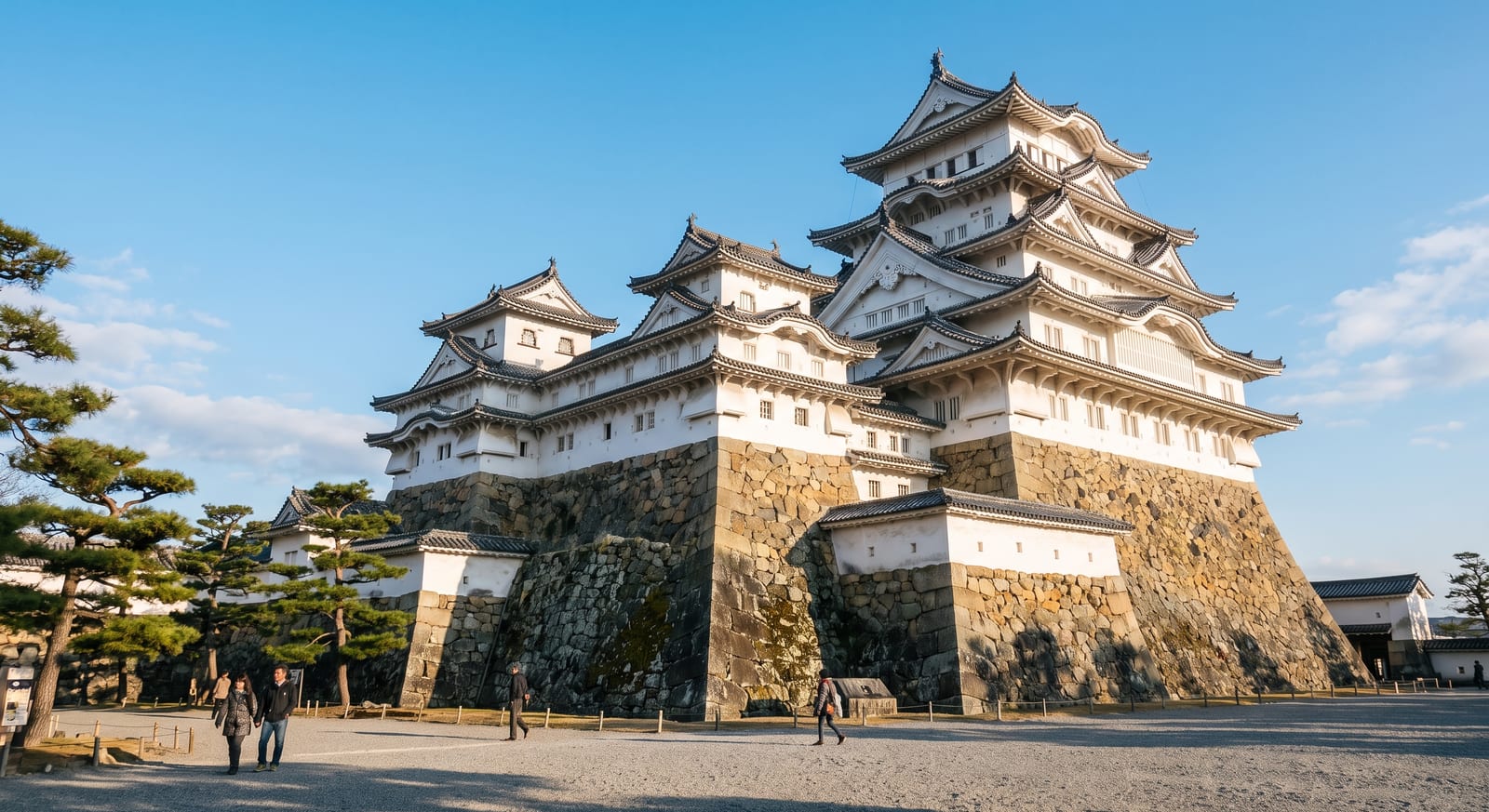
Himeji Castle Day Trip from Kyoto: Is It Worth ¥2,500?
How to visit Himeji Castle from Kyoto: Shinkansen vs Special Rapid, the 2026 entry fee increase to ¥2,500, how long you actually need, and whether the day trip still makes sense.
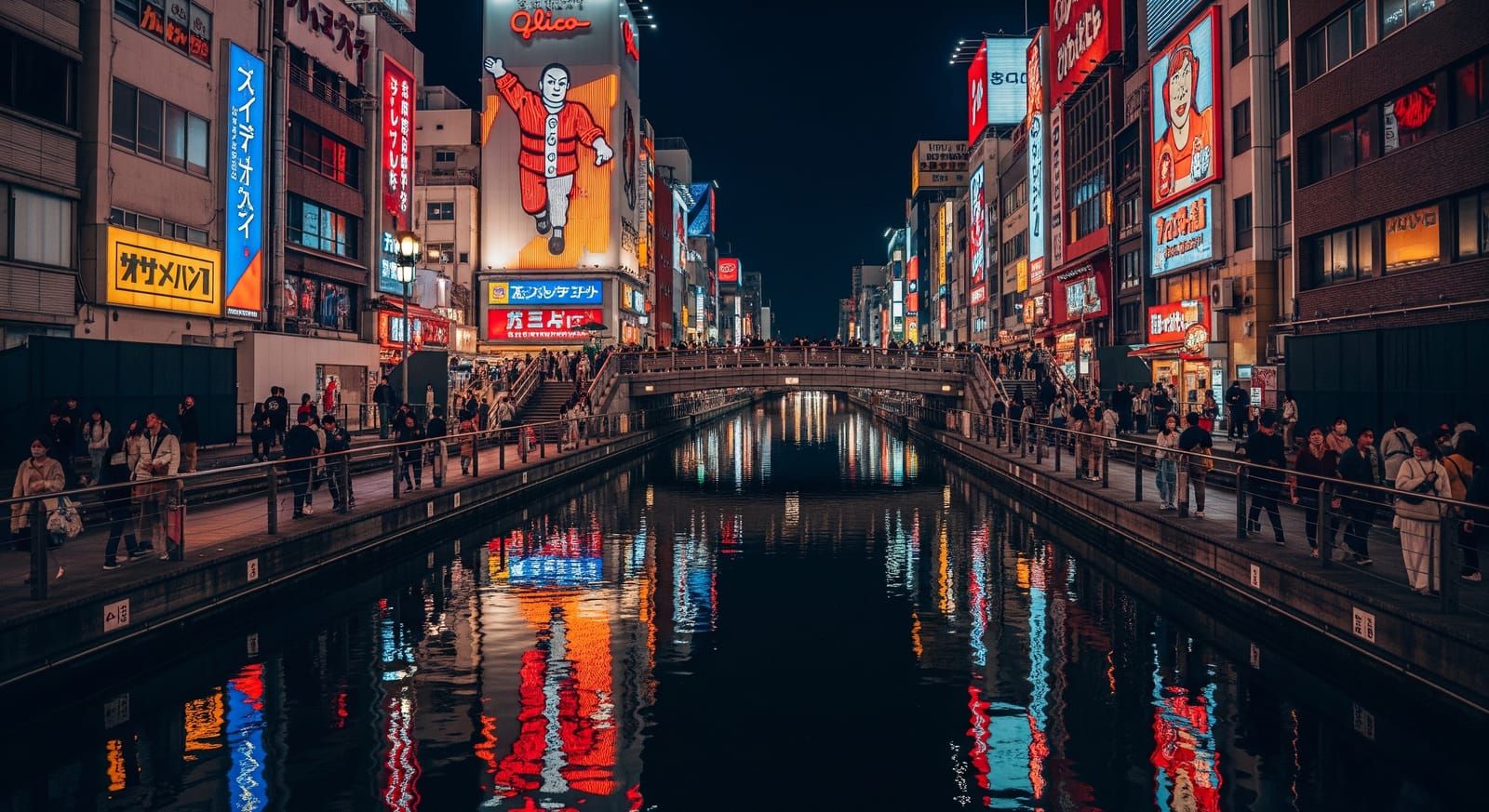
Osaka Day Trip from Kyoto: What to Do & Best Route
Everything for an Osaka day trip from Kyoto: how to get there, the best neighborhoods and food spots, Dotonbori vs Shinsekai, and how much time you actually need.
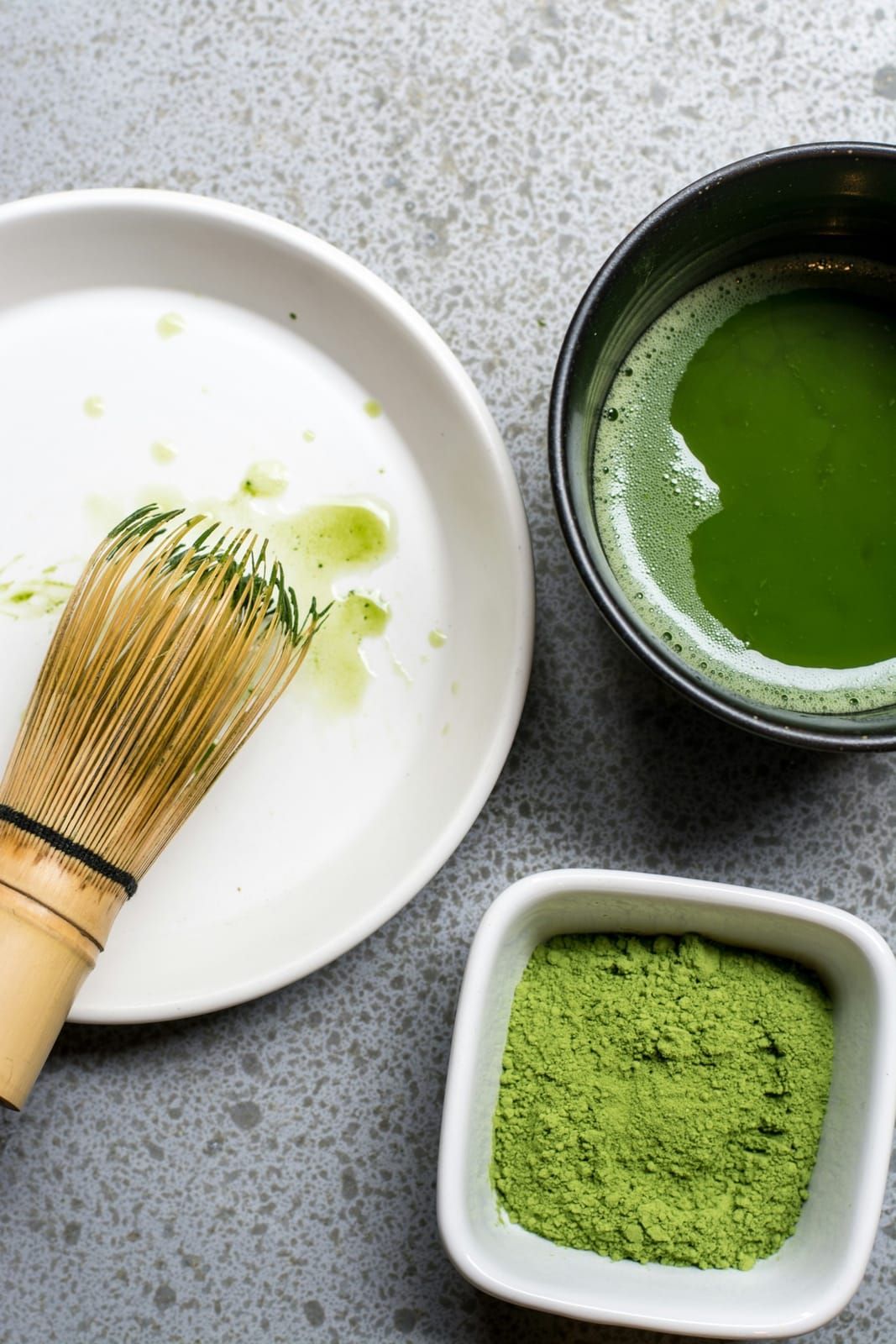
Uji Day Trip from Kyoto: Matcha, Byodoin & How to Go
How to visit Uji from Kyoto: the best matcha shops, Byodoin Temple (on the ¥10 coin), the Tale of Genji connection, and practical transit tips for a half-day trip.
Local guide based in Gion, Kyoto. Leading small-group walking tours and cultural workshops since 2024. Passionate about connecting travelers with authentic Kyoto culture.