
DAY TRIPS
Osaka Day Trip from Kyoto: What to Do & Best Route
Osaka sits 30 minutes from Kyoto Station for ¥580, which makes it the easiest day trip in Japan and the sharpest contrast to Kyoto you can get without leaving the region. This guide covers which train to take, what is actually worth your time once you arrive, and how much of a day you need.
Getting There
| Option | From | To | Time | Fare |
|---|---|---|---|---|
| JR Special Rapid (best for most) | Kyoto Station | Osaka Station | 30 min | ¥580 |
| Hankyu Limited Express | Kyoto-Kawaramachi | Osaka-Umeda | 45 min | ¥410 |
| Shinkansen | Kyoto Station | Shin-Osaka | 15 min | ¥1,430 |
JR Special Rapid (Recommended for Most)
From JR Kyoto Station, take the JR Kyoto Line Special Rapid (新快速) to Osaka Station: 30 minutes, ¥580, departing every 10–15 minutes. There is no surcharge for the Special Rapid — it costs the same as the slow local train and takes half the time, so always let a local depart and wait for the next Special Rapid.
Osaka Station connects directly into the broader Umeda hub — department stores, the Hankyu network, and immediate access to northern Osaka.
Load your Suica or ICOCA card before leaving Kyoto — both the JR Rapid and Hankyu accept IC cards and save you the ticket machine queue at both ends of the journey.
Hankyu Limited Express (Cheapest)
From Kyoto-Kawaramachi Station in downtown Kyoto — a 10-minute walk across the river from Gion — take the Hankyu Kyoto Line Limited Express straight through to Osaka-Umeda: 45 minutes, ¥410, no transfer, roughly every 10 minutes during the day. This is the better choice if you are staying in the Gion, Kawaramachi, or Karasuma area, because it saves you the trip down to Kyoto Station first.
Shinkansen (Really Only for JR Pass Holders)
Kyoto to Shin-Osaka takes 15 minutes on the Shinkansen, but Shin-Osaka is not central Osaka — you still need another 10–15 minutes on the subway to reach Namba and Dotonbori. Add the walk to the Shinkansen platform and the time saving mostly evaporates, while the fare is roughly 2.5× the Special Rapid.
Even with a JR Pass, the Shinkansen saves only about 15 minutes door-to-door and uses up a seat reservation. Unless you happen to already be standing on the Shinkansen concourse, the JR Special Rapid at ¥580 is the smarter move.
The same IC card works on JR, Hankyu, and the Osaka Metro, so you never need to buy a ticket at either end. If you haven’t set one up yet, see our Kyoto transport guide for where to buy and how to load it.
What to Do
Dotonbori
 DOTONBORI · NAMBA
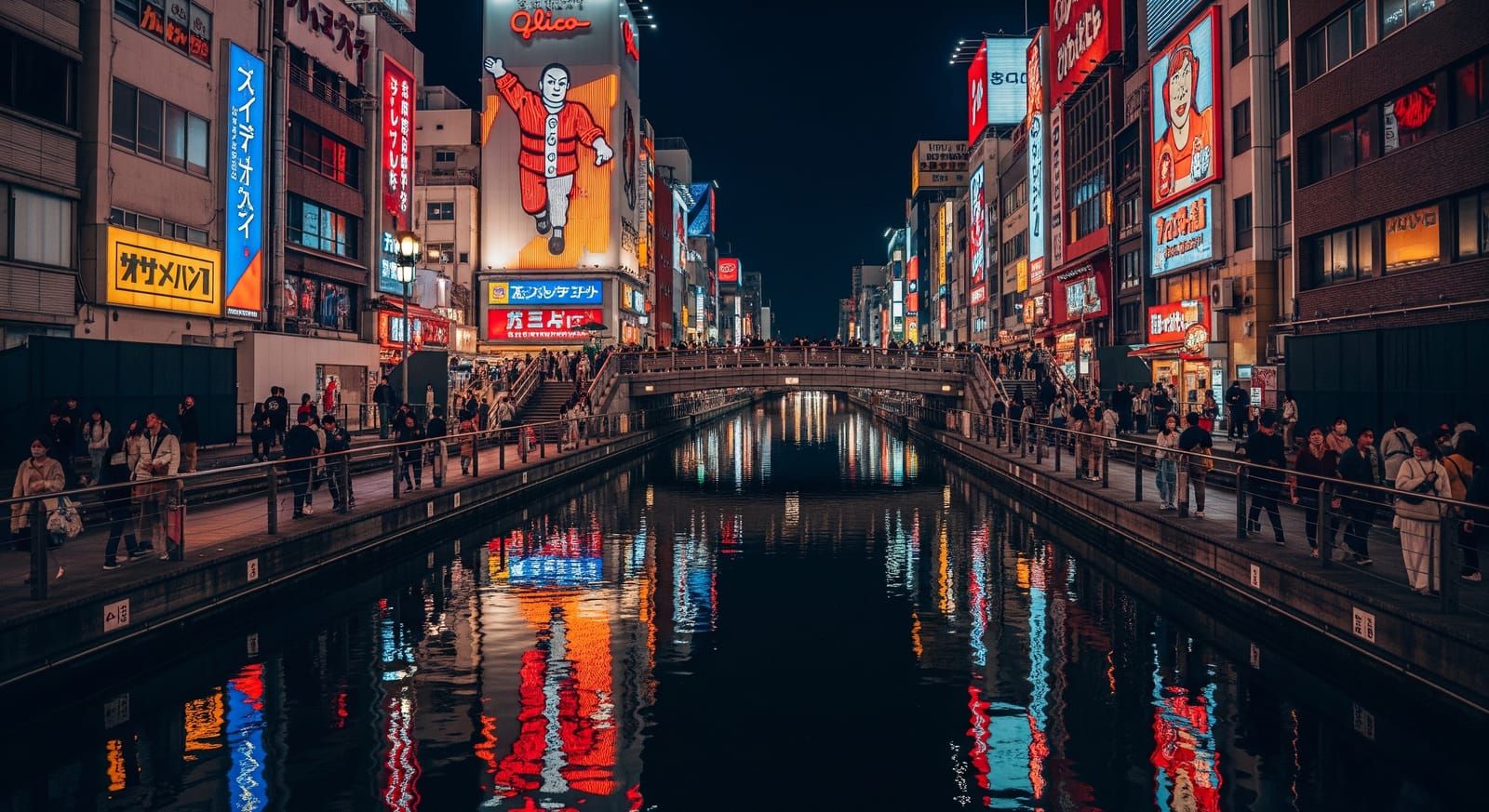
 The undisputed center of Osaka tourism — a canal-side entertainment district in Namba, lined with neon signs, the famous Glico running man, and a dense concentration of street food stalls and restaurants. It’s loud, commercial, and genuinely fun. Budget 90 minutes to walk the canal and eat.
Eat: Takoyaki at the original Aizuya or Kukuru. Okonomiyaki at Mizuno. The Kani Doraku moving crab sign marks the area’s seafood restaurant cluster.
The canal itself: The Dotonbori canal (Dotonborikawa) has walkways on both sides. Evening is more atmospheric than midday (the neon reads better in low light), but the food operates from mid-morning.
Peak tourist and lunch crowds; expect queues at popular stalls
Atmospheric but extremely packed — keep bags close
Quiet, many stalls not yet open — good for photography
Shinsekai and Tsutenkaku Tower
 SHINSEKAI
 A 20-minute metro ride from Dotonbori, Shinsekai is a retro working-class district that escaped postwar redevelopment. The neighborhood centers on Tsutenkaku Tower (illuminated at night, ¥800 to ascend) and is famous for kushikatsu — deep-fried skewered meats and vegetables. The house rule at every kushikatsu restaurant: never double-dip the shared sauce.
Every kushikatsu restaurant in Shinsekai enforces a strict no-double-dipping rule for the shared sauce. Dip once, eat, move on. Signs are posted everywhere in multiple languages — this is taken seriously.
Osaka Castle
A reconstructed Azuchi-Momoyama period castle in a large park in central Osaka. The exterior is impressive; the interior is a modern museum (¥600). The surrounding castle park is pleasant for a walk. Worth 90 minutes if history interests you.
Kuromon Ichiba Market
Osaka’s covered food market — more local than tourist-facing compared to Nishiki in Kyoto, with outstanding fresh fish, shellfish, and produce stalls. Many stalls grill or prepare food on the spot. 10 minutes from Dotonbori by foot.
Kuromon Market is at its best between 9am and 1pm when the produce is freshest and the stalls are fully stocked. By mid-afternoon many fish vendors begin closing. Go before lunch for the widest selection and least-crowded aisles.
 KUROMON MARKET
 Recommended Half-Day Route
Take the Special Rapid, not the local. From Osaka Station, transfer to the Midosuji subway line for Namba — about 15 minutes.
Walk both sides of the canal and eat as you go — takoyaki first. Quieter now than it will be at any other point in the day.
Okonomiyaki, kushikatsu, or ramen. Queues at the famous places peak between 12:00 and 13:30, so pick a second-choice shop rather than waiting.
Grilled scallops, uni, fresh fruit. Go before 13:00 if you can — fish vendors start closing through the afternoon.
Optional but recommended for the contrast — retro postwar Osaka and the best kushikatsu in the city. Skip if you would rather have more time on the canal.
Puts you back at Kyoto Station around 16:45 — enough time to change and head out again for the evening.
For a full day, add Osaka Castle in the morning before Dotonbori, and stay through into dinner — the canal is at its best after dark.
Osaka vs Nara as a Day Trip
Choose Osaka if: You want urban energy, street food, and a contrast to Kyoto’s temples and traditions.
Choose Nara if: You want more temples and nature, and are content with Kyoto’s food scene.
Both are easy and fast from Kyoto. Osaka is better for food; Nara is better for heritage.
Other day trips: Nara from Kyoto for temples and deer, or Uji from Kyoto for matcha and a half-day pace. For getting around once you are back, see How to Get Around Kyoto; for fitting a day trip into a longer stay, the 3-Day Itinerary.
Evening back in Kyoto: an Osaka food day pairs naturally with a slower Kyoto night. Our Gion Night Walk runs most evenings and goes in completely the opposite direction from Dotonbori — quiet lanes, lanterns, and a local guide who knows the stories.
// Back in Kyoto by Evening
Ate your way through Osaka?
End the night in Gion
The JR Special Rapid puts you back at Kyoto Station in 30 minutes — early enough for a completely different kind of evening. Our Gion Night Walk walks the old quarter with a local guide.
FAQ
How long does it take to get from Kyoto to Osaka? ▼
Is Osaka worth a day trip from Kyoto? ▼
What is the cheapest way from Kyoto to Osaka? ▼
What should I eat in Osaka? ▼
RELATED GUIDES
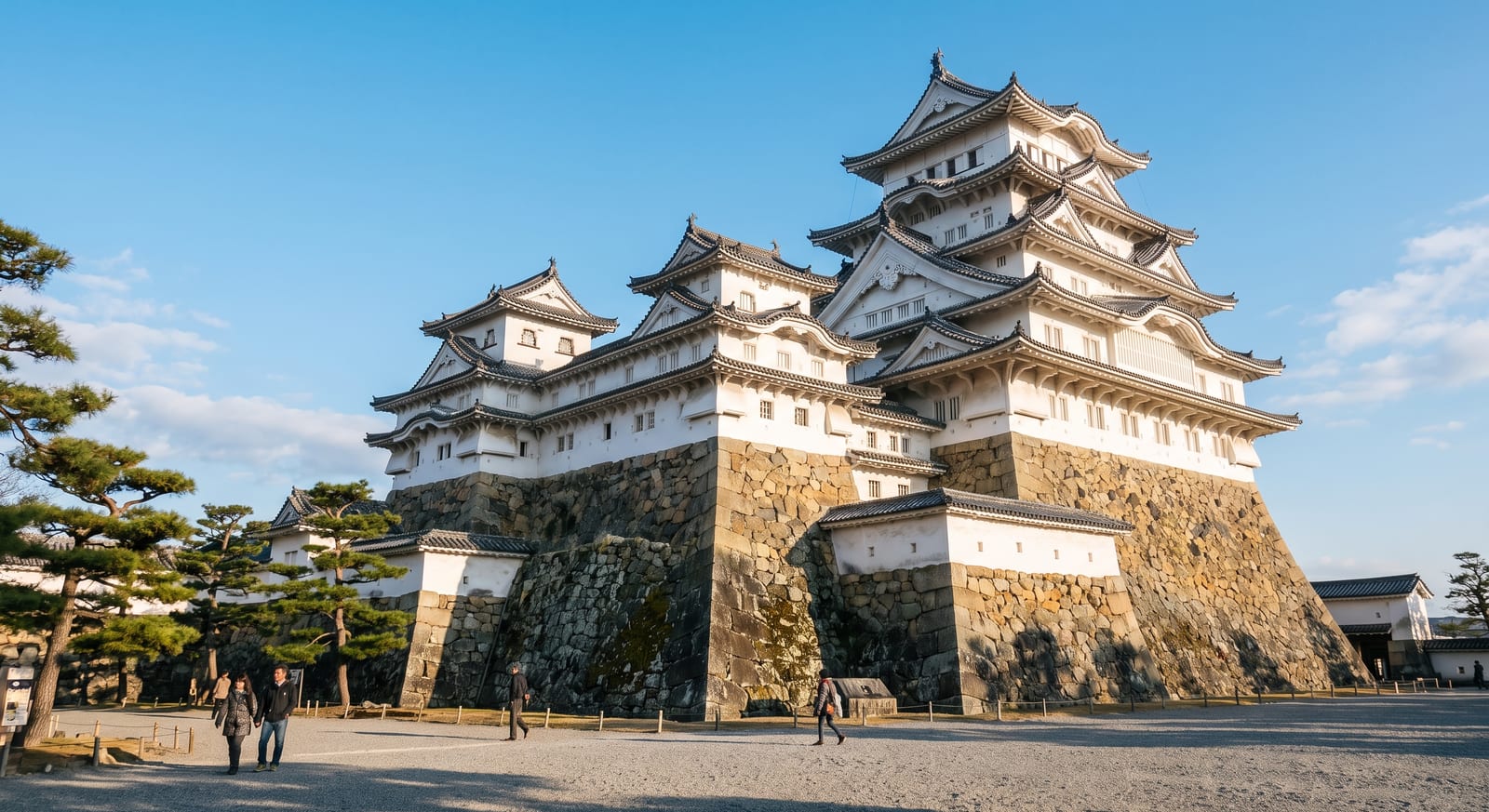
Himeji Castle Day Trip from Kyoto: Is It Worth ¥2,500?
How to visit Himeji Castle from Kyoto: Shinkansen vs Special Rapid, the 2026 entry fee increase to ¥2,500, how long you actually need, and whether the day trip still makes sense.
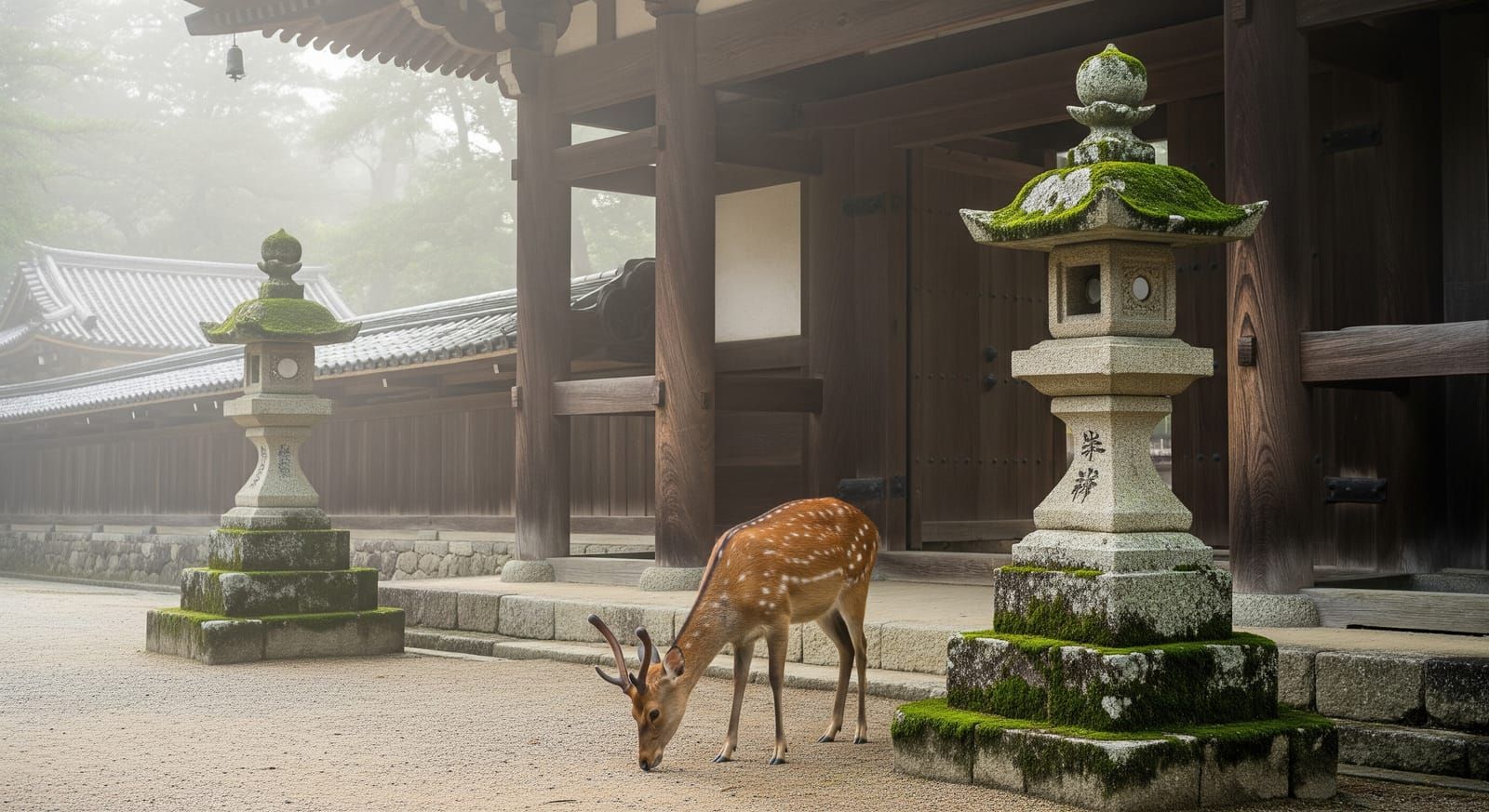
Nara Day Trip from Kyoto: Deer, Temples & Getting There
How to do a Nara day trip from Kyoto: the best route, travel time and cost, what to see at Todai-ji and Kasuga Shrine, how to interact with the deer, and how much time you need.
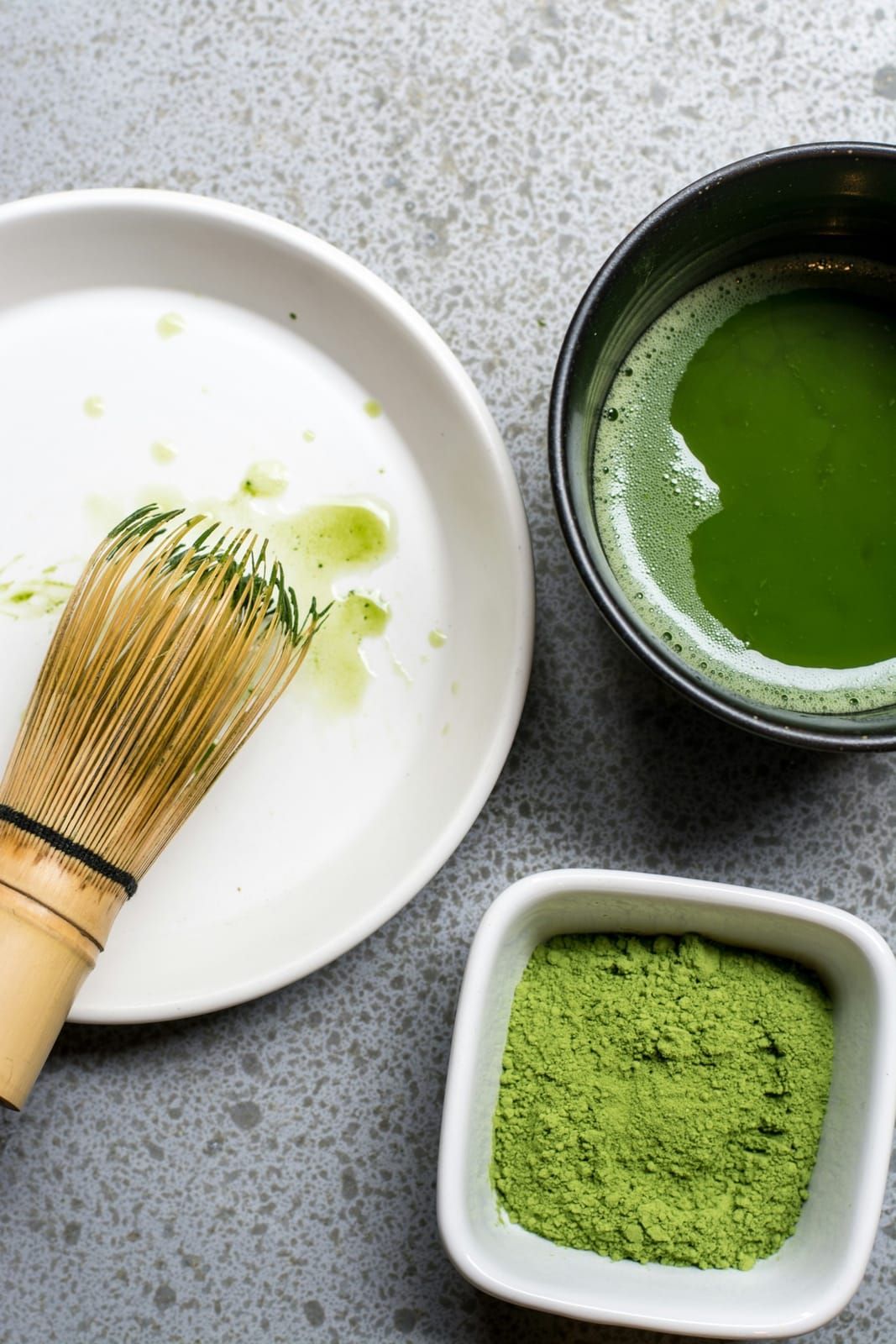
Uji Day Trip from Kyoto: Matcha, Byodoin & How to Go
How to visit Uji from Kyoto: the best matcha shops, Byodoin Temple (on the ¥10 coin), the Tale of Genji connection, and practical transit tips for a half-day trip.
Local guide based in Gion, Kyoto. Leading small-group walking tours and cultural workshops since 2024. Passionate about connecting travelers with authentic Kyoto culture.