
SEASONAL
Kyoto Cherry Blossom Spots: 10 Best Sakura Places
If you already know you want sakura in Kyoto, the real question is not whether to go, but which type of blossom experience you want. Some spots are about iconic postcard views. Others work better for a quiet morning walk, a picnic under the trees, or a late-season visit after central Kyoto has already peaked.
This guide focuses on the places that are genuinely worth prioritizing.
Peak bloom in central Kyoto typically falls in late March to early April, but shifts year to year by up to two weeks. Check Japan Meteorological Corporation forecasts or local Kyoto sakura trackers from late February onward to nail your timing.
Quick Picks
1. Maruyama Park
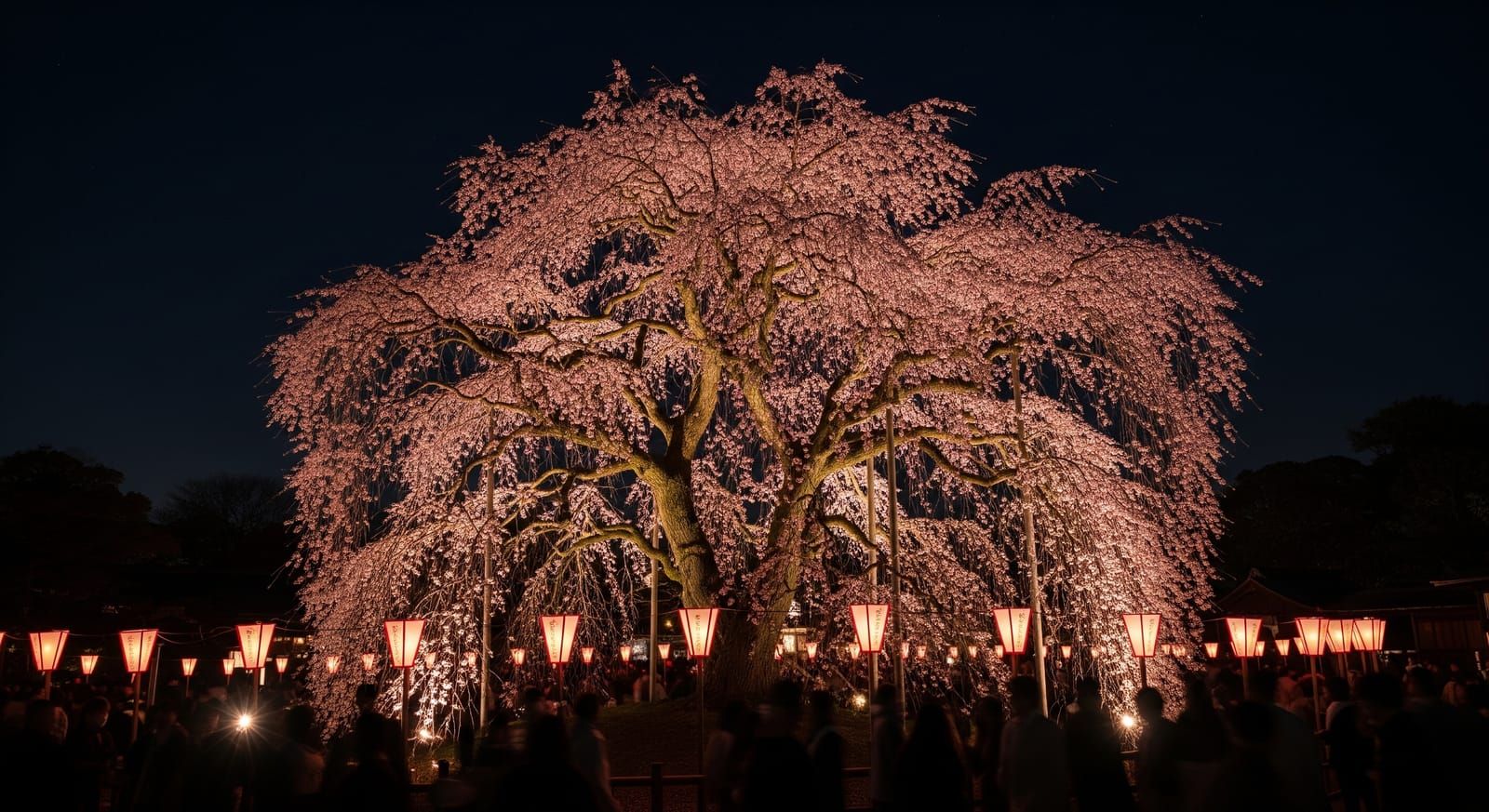
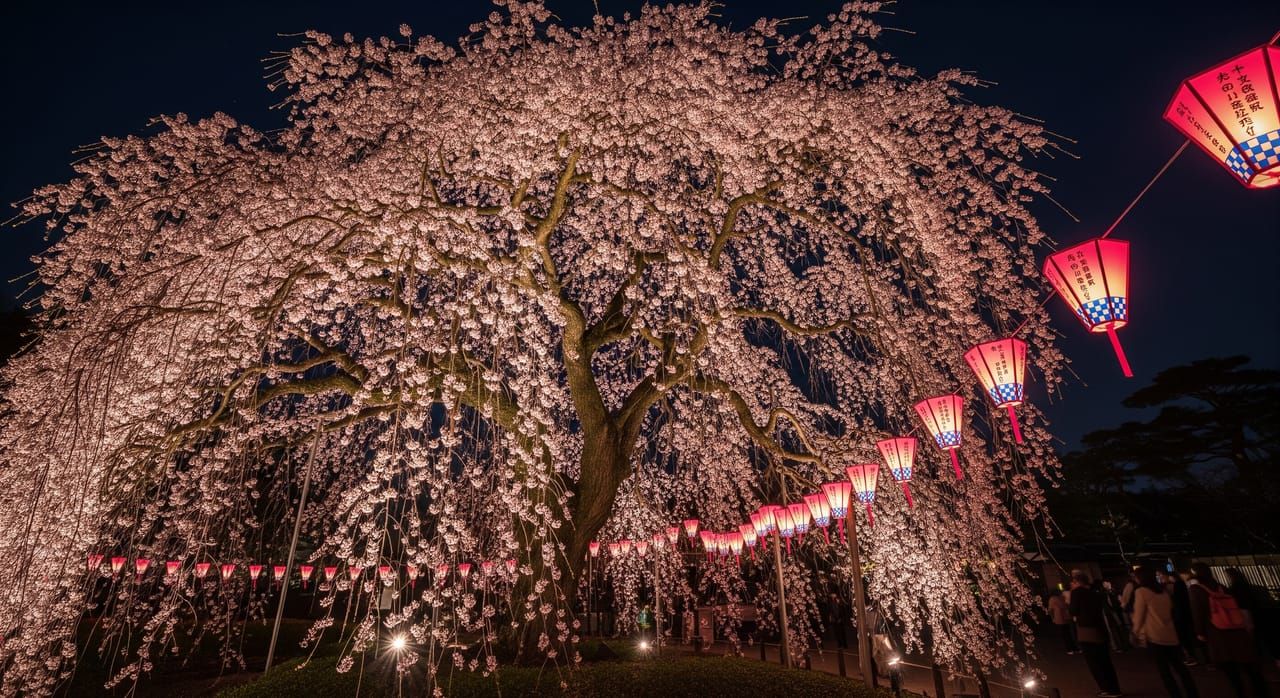
This is Kyoto’s most famous hanami spot for a reason. The large weeping cherry tree, the open park setting, and the easy connection to Yasaka Shrine and Gion make it the most atmospheric place for an evening sakura walk.
Come here if you want:
- the classic Kyoto cherry blossom mood
- a social hanami atmosphere rather than a quiet temple visit
- an easy night walk after dinner in Gion
Avoid the middle of the day if possible. Early morning is calmer, but the park is most memorable after dark.
Pair it with an evening in Gion: Maruyama Park sits directly behind Yasaka Shrine, two minutes from the top of Hanamikoji. Our Gion Night Walk starts nearby and runs through the same hours the park is at its best — an easy way to turn a hanami stop into a full evening.
Shoulder to shoulder during lunch hours at full bloom
Calm enough to walk the weeping cherry freely
Crowded but atmospheric; arrive by 6pm for space
 MARUYAMA PARK
 2. Philosopher’s Path
For pure blossom density, this is one of the strongest walks in the city. The canal, narrow pedestrian path, and continuous line of sakura make it feel like a tunnel in peak bloom.
It works best for visitors who want to walk rather than stop. Pair it with Nanzenji, Eikando, or Ginkaku-ji and treat the blossoms as part of a longer eastern Kyoto route.
Best approach: start early and walk before the cafe crowd arrives.
Walk the Philosopher’s Path from south (Nanzenji end) to north (Ginkaku-ji end) and arrive at the southern entry by 7am. The light is better in the morning, and you will clear the busiest stretch well before the tour groups fill the narrow path.
Light foot traffic, good for photos
Path is packed; slow and difficult to stop for photos
3. Kiyomizudera
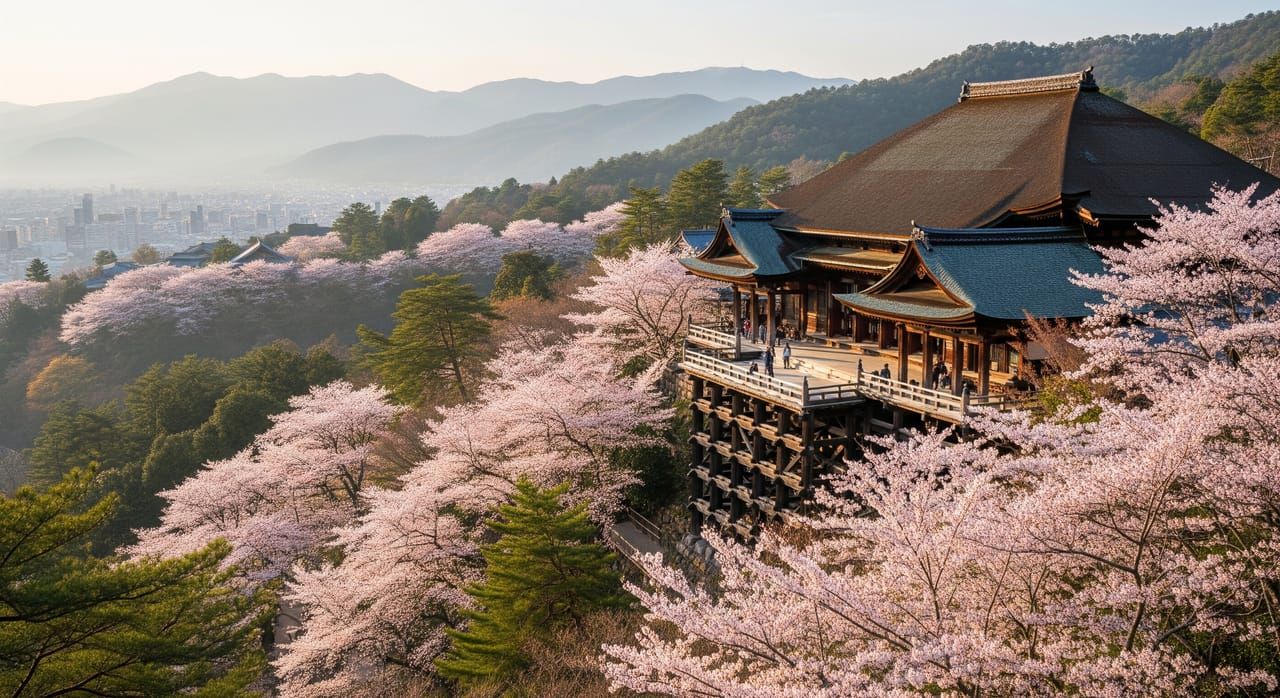
Kiyomizudera is not the place for a quiet hanami picnic. It is the place for one of Kyoto’s biggest spring views: temple stage, hillside blossoms, and the city beyond.
What makes it worth the crowds is scale. You are not looking at a single grove or one canal lined with trees; you are looking over a full layered spring landscape. It is one of the strongest sakura viewpoints in Japan.
Kiyomizudera charges an entry fee (around ¥500). It opens at 6am and occasionally stays open for evening illumination events during peak bloom — check the temple’s website before your visit as special night admission is a separate ticket.
See also the Kiyomizudera guide and the Higashiyama walking guide.
 KIYOMIZUDERA
 4. Keage Incline
Keage Incline is one of Kyoto’s best photo-heavy sakura spots. The old railway tracks, low slope, and rows of cherry trees create a broad blossom corridor that is especially good in morning light.
This is a stronger choice than many visitors expect because it feels visually different from the temple-and-shrine side of sakura Kyoto. If you want variety in a one-day route, Keage works well between Nanzenji and the Okazaki area.
Track is walkable and clear for photography
Popular with tour groups; best treated as morning-only
5. Okazaki Canal
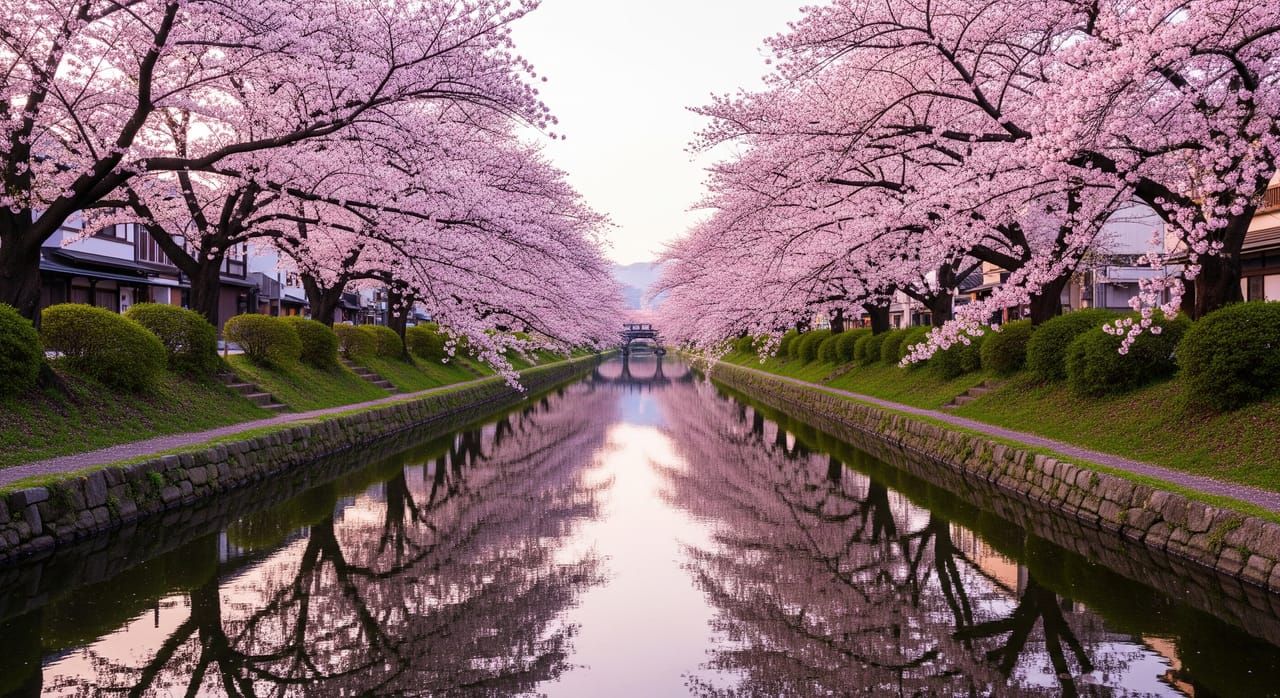
The canal zone around Heian Jingu and the museums is often overshadowed by Philosopher’s Path, but it is one of the easiest sakura areas to enjoy without committing to a long hike or a crowded temple complex.
Why it works:
- broad walkways
- water reflections
- easy access from Higashiyama and central Kyoto
- a better sense of space than Maruyama or Kiyomizudera
If your goal is a comfortable blossom walk rather than a must-see checklist stop, this is one of the better balances in the city.
 OKAZAKI CANAL
 6. Kamo River
The Kamo River is less about one famous viewpoint and more about how pleasant the whole corridor becomes in sakura season. It is one of the easiest places to enjoy blossoms like a local: walk, sit, snack, move on.
This is especially useful if the temples feel too packed. You can do a relaxed spring walk here in a way that is much harder in Higashiyama during peak week.
For visitors staying downtown or near Gion, this is one of the most repeatable sakura walks in the city.
Between Sanjo and Shijo bridges, locals spread out tarps along the Kamo riverbank from the late afternoon. Join in with convenience store snacks and drinks — no bookings, no entry fees, no temple rules. This is how most Kyoto residents actually celebrate the season.
7. Daigoji
Daigoji is a strong pick if you want something more substantial than a single street or park. The grounds are large, the temple setting is impressive, and the blossoms feel tied to Kyoto’s historical identity rather than just seasonal decoration.
It is also a good answer for people who want a major sakura site that feels a little less compressed than the center.
Go early on a weekday if possible. It is still famous, but the wider grounds help.
Daigoji charges tiered admission depending on which sub-temples you visit. Budget ¥1,500 to ¥2,500 per person depending on the season access level. Sanpoin Garden and Shimo-Daigo are typically included in the standard sakura season ticket.
Manageable on the main approach; less crowded than city center spots
Can feel packed around the main pagoda area
8. Ninna-ji
Ninna-ji matters because it extends the season. If you arrive after Kyoto’s main bloom has already started fading, this is the first place to check.
The famous omuro zakura bloom later than the city’s better-known central trees. That makes Ninna-ji the most practical “salvage the sakura trip” location when timing is slightly off.
If you are building spring content for visitors, this is the late-bloom name worth remembering.
The omuro zakura at Ninna-ji typically peak 1–2 weeks after Maruyama Park and the Philosopher’s Path. If you arrive in mid-April and central Kyoto has already passed peak, Ninna-ji is your best recovery option.
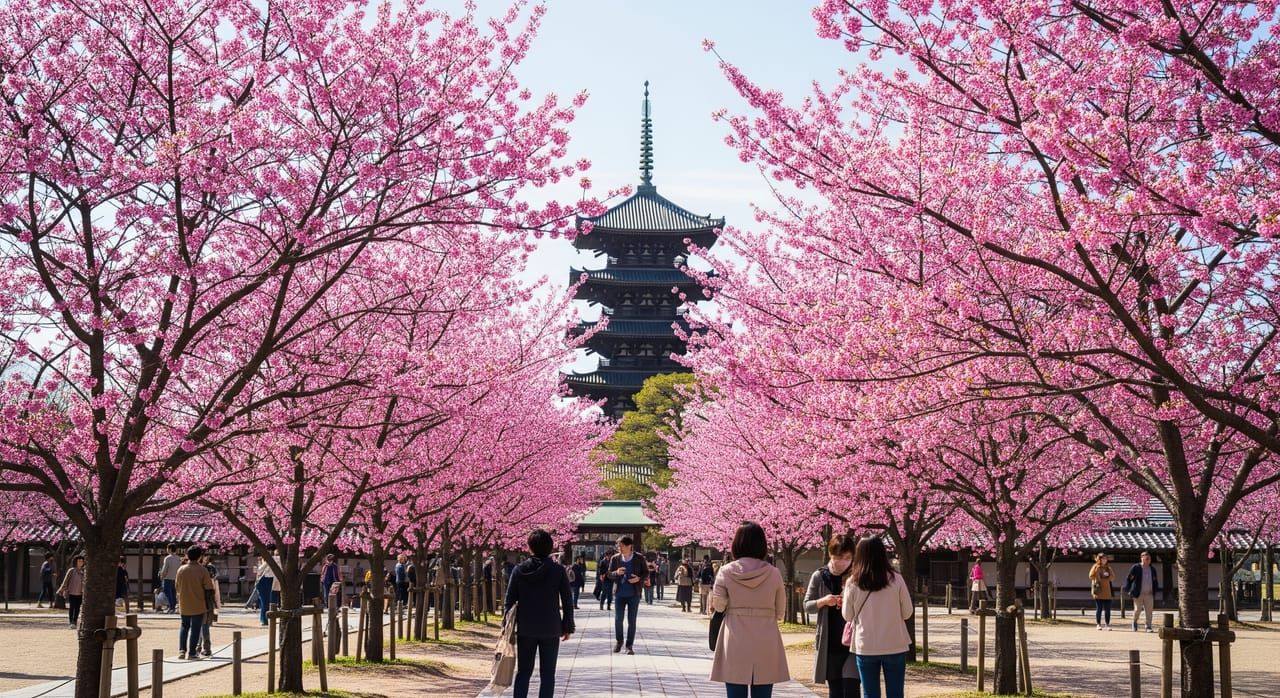 NINNA-JI
 9. Hirano Shrine
Hirano Shrine is not always the first place listed for first-time tourists, but it is excellent if you care about variety. Different sakura types bloom at different moments, so the viewing window feels longer and less all-or-nothing than at some headline spots.
This is a good recommendation for repeat Kyoto visitors, photographers, or people arriving between the main waves.
10. Arashiyama
Arashiyama is not only a bamboo grove destination. In spring, the river, bridge, hills, and scattered sakura create a broader landscape scene that is very different from eastern Kyoto.
It works best if you already planned to visit Arashiyama anyway. I would not choose it over Philosopher’s Path or Kiyomizudera for a first sakura morning, but it is a strong second-day option.
Best Spots by Travel Style
If it is your first sakura trip to Kyoto
Prioritize:
- Maruyama Park
- Philosopher’s Path
- Kiyomizudera
- Keage Incline
If you hate heavy crowds
Prioritize:
- Kamo River
- Okazaki Canal
- Daigoji
- Ninna-ji
If your timing is late
Prioritize:
- Ninna-ji
- Hirano Shrine
- northern or less central spots before central Higashiyama
A Strong One-Day Sakura Route
If you want one efficient sakura day in Kyoto, this is a strong sequence:
- Kiyomizudera at opening
- Walk down through Higashiyama toward Maruyama Park
- Move north to Keage and the Okazaki area
- Finish with Philosopher’s Path if you still have energy
- Return to Maruyama Park or Gion after dark
That route gives you temple views, historic streets, canal-side blossoms, and an evening hanami finish without bouncing all over the city.
Buses 100 and 206 through Higashiyama run at severe overcapacity during peak bloom weekends. Build extra time into your route, or walk between spots rather than waiting for packed buses. The Keihan and Tozai subway lines are much more reliable for getting around quickly.
Final Advice
Do not try to “collect” every sakura spot in one trip. Kyoto works better when you choose two or three areas and experience them properly. In blossom season, timing matters more than list length.
If you are planning around bloom timing first, start with Kyoto Cherry Blossoms: Best Spots, Peak Timing & Tips. If you are building a broader trip, When to Visit Kyoto and the 2-Day Kyoto itinerary are the best next reads.
// Sakura Season Evenings
Blossoms by day,
Gion by night
Maruyama Park is two minutes from Hanamikoji, and both are at their best after dark. Our Gion Night Walk covers the lantern-lit lanes with a local guide — the natural second half of a hanami day.
FAQ
What are the best cherry blossom spots in Kyoto? ▼
Which cherry blossom spots in Kyoto are less crowded? ▼
Where can I see late-blooming cherry blossoms in Kyoto? ▼
What is the best time of day for cherry blossoms in Kyoto? ▼
RELATED GUIDES
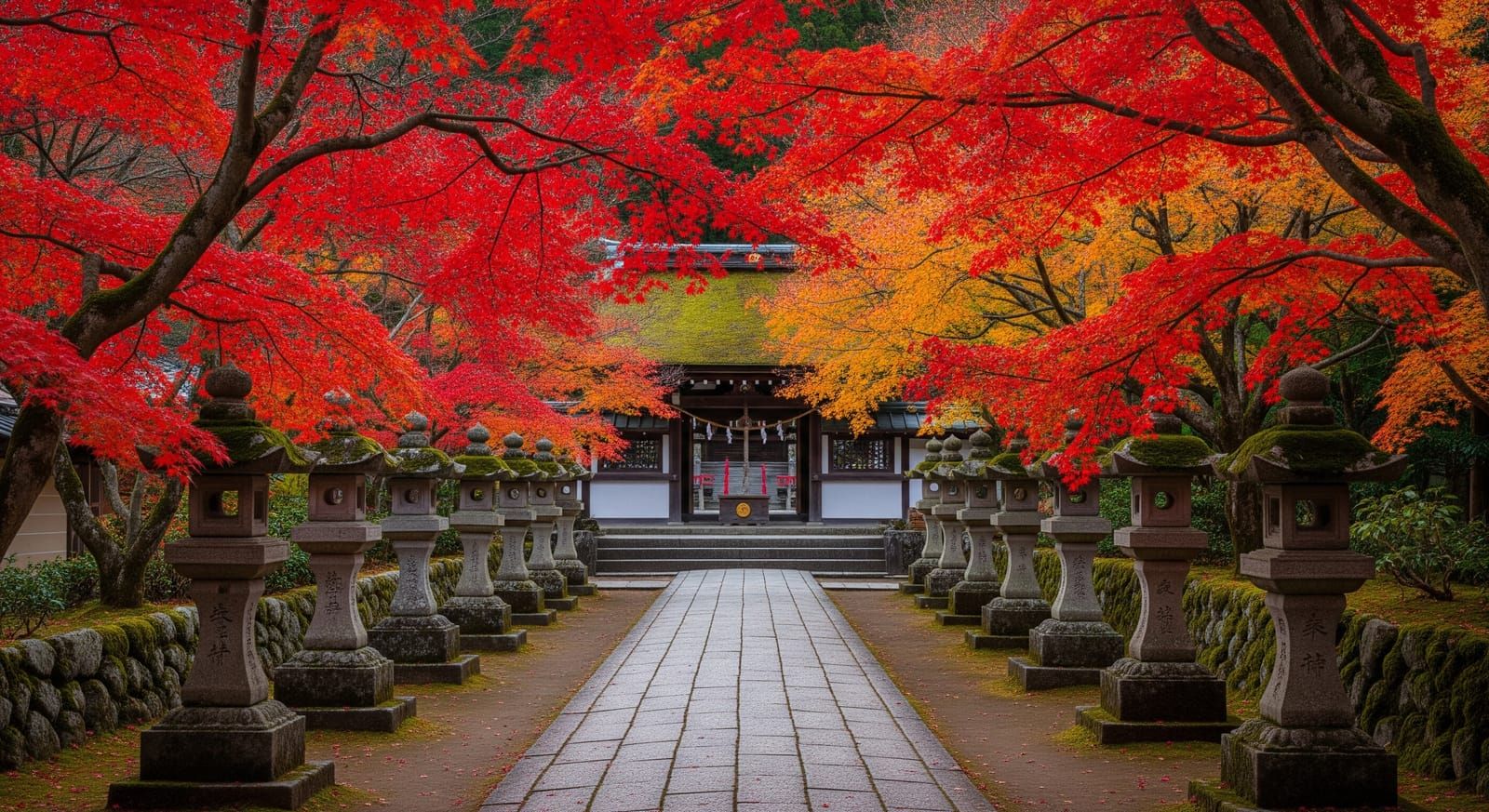
Kyoto Autumn Leaves: Best Spots & When to Go
Plan your Kyoto koyo trip: the best autumn foliage spots, when peak color hits in 2026, how to avoid crowds at the top spots, and the hidden gems most visitors miss.
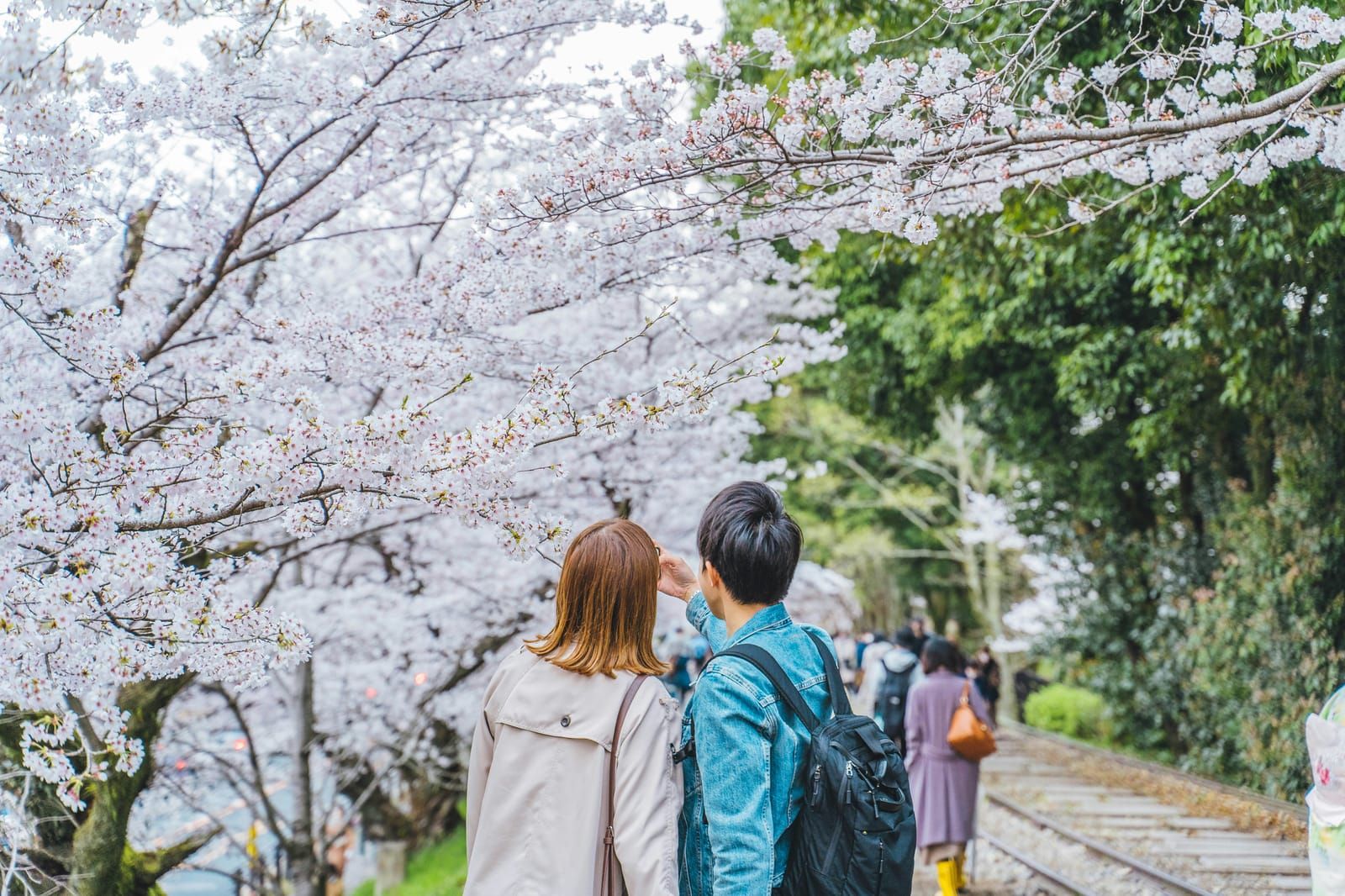
Kyoto Cherry Blossoms: Best Spots, Peak Timing & Tips
Plan your Kyoto sakura trip: the best cherry blossom spots, how to predict peak bloom timing, crowd management strategies, and the hidden gems beyond the famous locations.
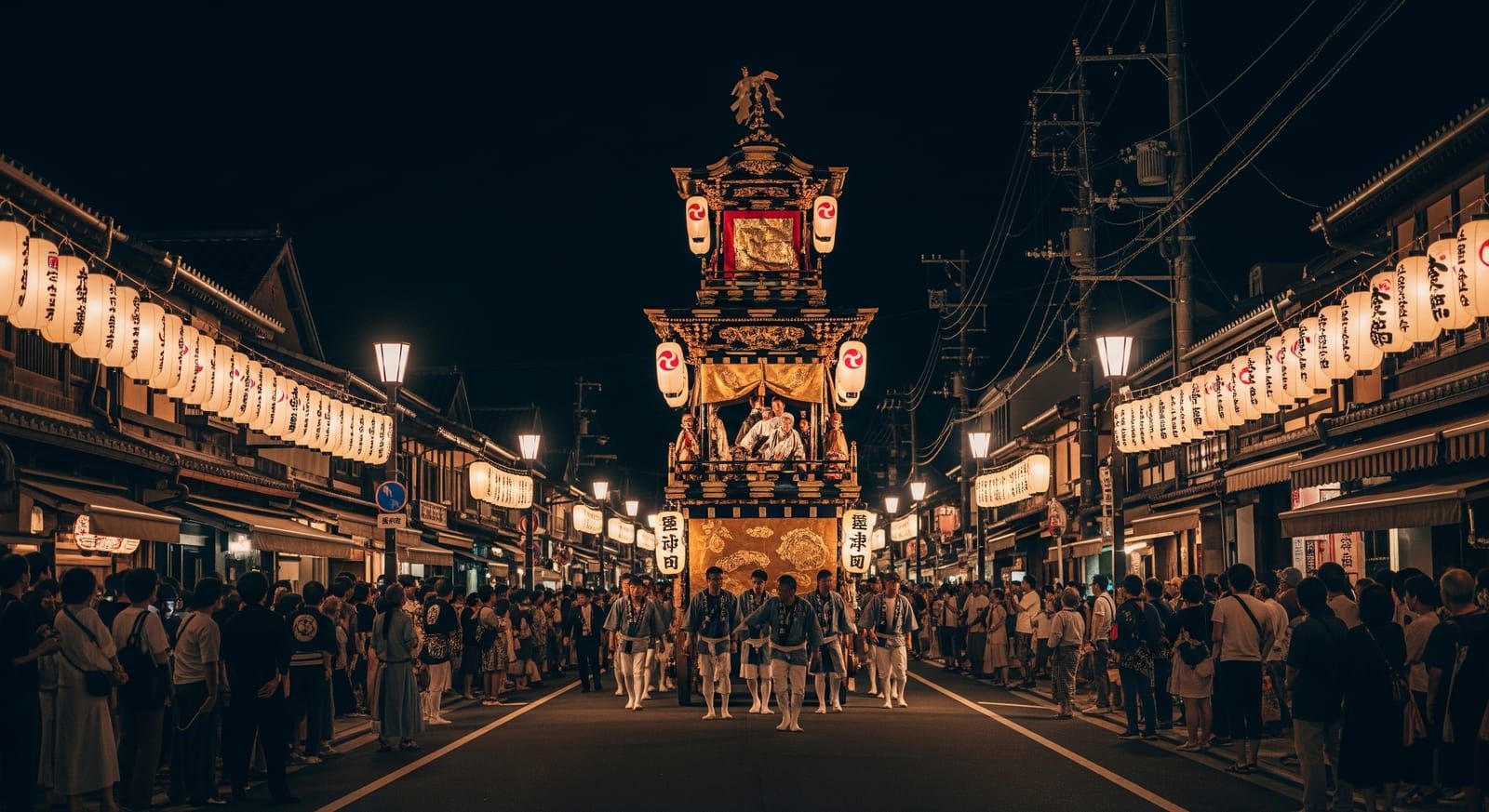
Gion Matsuri Festival Guide: Dates, Events & Tips
Everything you need for Gion Matsuri: the full July event calendar, which nights to visit for Yoiyama, where to see the Yamaboko float processions, and practical tips for navigating the crowds.
Local guide based in Gion, Kyoto. Leading small-group walking tours and cultural workshops since 2024. Passionate about connecting travelers with authentic Kyoto culture.