
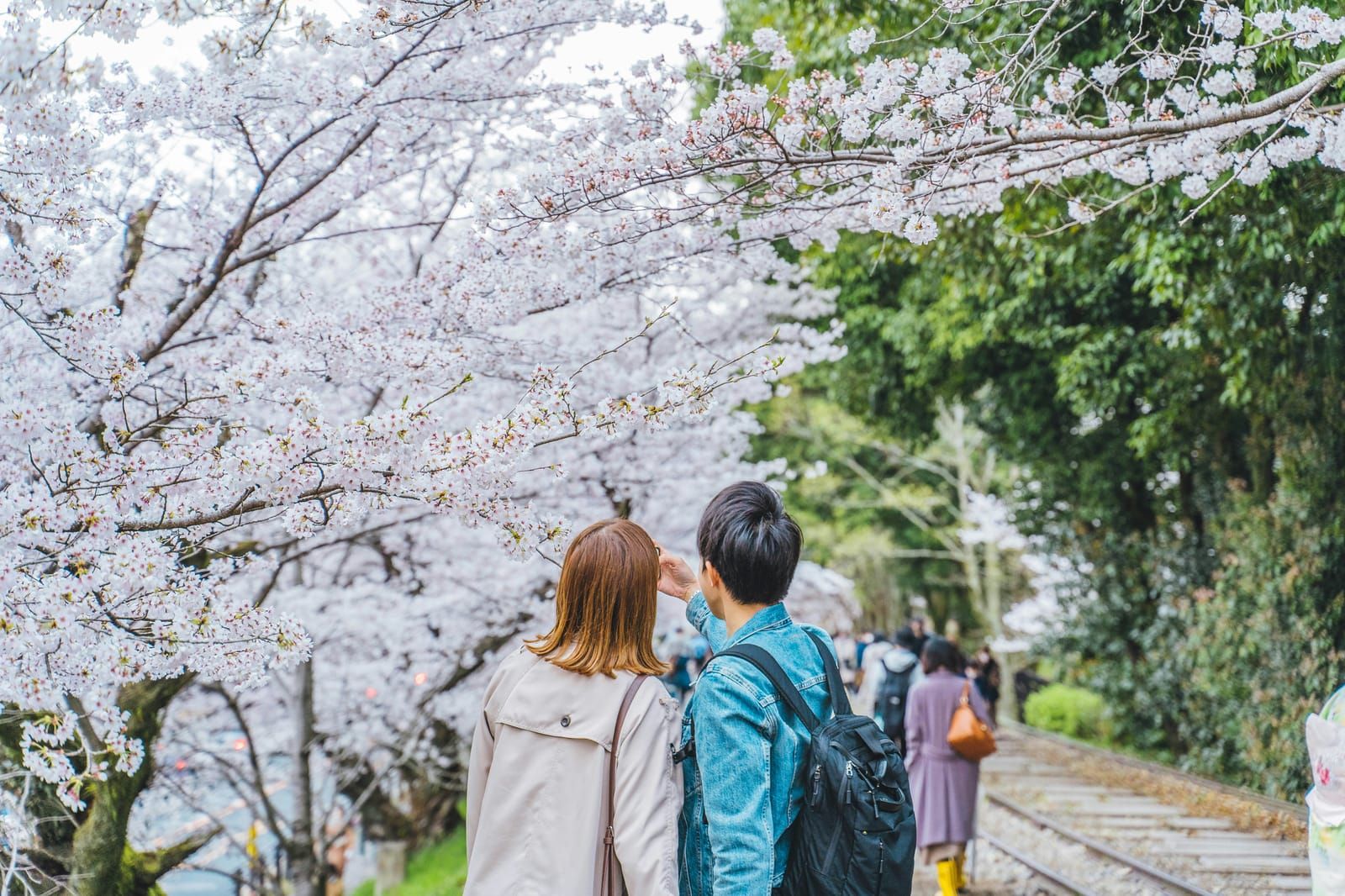
SEASONAL
Kyoto Cherry Blossoms: Best Spots, Peak Timing & Tips
Cherry blossom timing in Kyoto shifts by a week or more each year, which makes booking a sakura trip partly a gamble — but a manageable one if you understand how bloom forecasts work. This guide covers timing, the spots worth the crowds, and what to do if you arrive early or late.
How Sakura Season Works
Japanese cherry blossoms (sakura) bloom for a brief window each spring. The sequence:
- First bloom (kaika): A few flowers open on the tree — officially declared when 5–6 flowers open on a benchmark tree
- 30% bloom: Noticeably colorful but not yet full
- Full bloom (mankai): 80%+ of flowers open — the peak 5–7 days
- Falling petals (hanafubuki): The flowers begin dropping in pink flurries — also beautiful
- End of bloom: Most flowers dropped, leaves beginning to emerge
The full peak period is roughly 7–14 days. Peak timing in Kyoto has ranged from March 20 to April 10 over the past decade, averaging around March 28–April 2. Forecasts become reliable about 2 weeks before bloom.
Install the Tenki.jp or JMA app and check the sakura forecast dashboard from February onward. Forecasts lock in reliably about 2 weeks before bloom — by then you can plan your exact travel days with confidence.
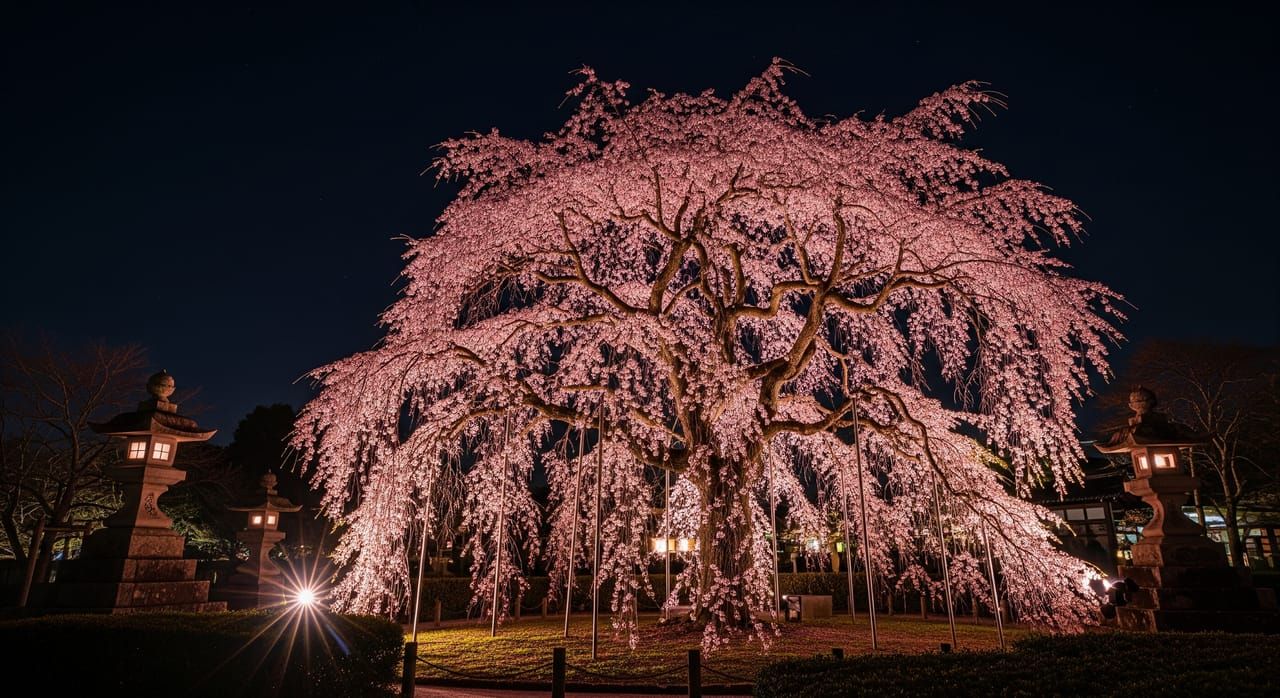 MARUYAMA PARK
 Best Cherry Blossom Spots
If you want a location-first breakdown with maps and route ideas, read Kyoto Cherry Blossom Spots: 10 Best Sakura Places.
Maruyama Park (Free)
The most popular hanami destination in Kyoto — a large park surrounding a 70-year-old weeping cherry (shidare-zakura) that is lit dramatically at night. The park fills with picnic tarps from morning during peak week. Free to enter. Evening viewing (the tree illuminated against the dark sky) is the signature Kyoto sakura image.
Crowd management: Arrive before 9am or after 8pm. The afternoon peak (noon–6pm) is the most congested.
Morning calm; still get a quiet look at the weeping cherry
Peak crowds; tarp picnics wall-to-wall, barely any walking room
Very busy but the atmosphere is electric; worth it
Philosopher’s Path (Tetsugaku-no-Michi)
A 2km canal-side path between Nanzenji and Ginkaku-ji, lined on both sides with cherry trees that form a complete canopy tunnel at peak bloom. Free to walk at any time.
Crowd management: Walk early morning (7–9am) or evening. Avoid weekend middays.
Near-empty; canal reflections at their best in morning light
Slow-moving crowds; hard to stop for photos
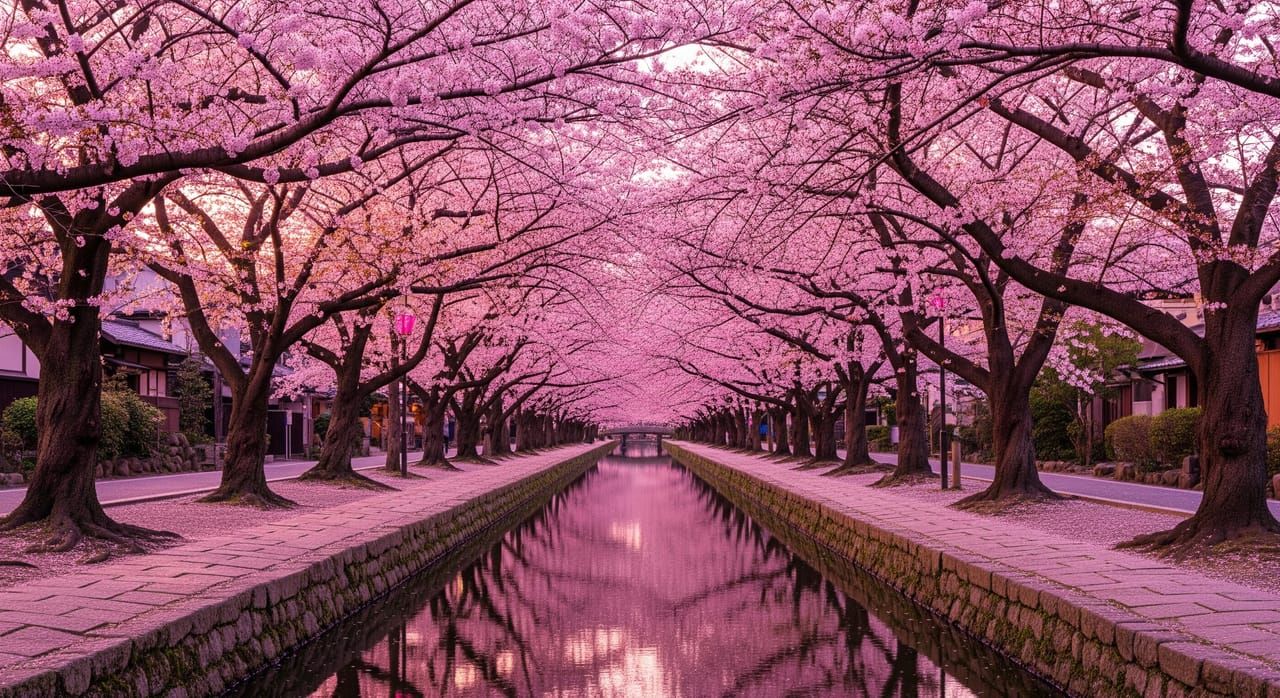 PHILOSOPHER'S PATH
 Kiyomizudera Temple (¥500)
The hillside view from the wooden stage over the eastern hills with cherry blossoms in the foreground is one of the most photographed sakura images in Japan. The temple holds special night illumination events during bloom season (¥400 additional). See the Kiyomizudera guide.
After visiting the main stage, walk the back slope paths behind the temple through the cemetery terraces. Cherry trees line the narrow lanes here and the crowds thin dramatically — you get hillside blossom views without the crush.
Ninna-ji Temple
Famous for its late-blooming omuro zakura — a short, distinctive variety of sakura that blooms 1–2 weeks after most others, extending the season into April. The grove of these small trees within the temple compound creates an unusual, intimate view. ¥500 (special viewing fee during bloom). Essential for timing a late-April visit.
If your travel dates fall in mid-to-late April and you fear missing peak bloom, head straight to Ninna-ji. The omuro zakura variety blooms up to two weeks after Maruyama’s weeping cherry, giving late visitors a genuine full-bloom experience.
Fushimi Inari (Free)
The lower slopes of Fushimi Inari have significant cherry tree planting. The combination of vermilion torii gates against pink blossoms is exceptional. Before 8am during bloom season is both crowd-free and beautiful. See the Fushimi Inari guide.
Hirano Shrine (Free / Small Fee During Festival)
One of Kyoto’s oldest shrines in northwestern Kyoto holds approximately 60 varieties of cherry tree, some ancient, that bloom across a 4–5 week window from late March through late April. Different varieties at different times. An annual sakura matsuri (cherry festival) is held here. Less well-known than the central spots.
Because Hirano Shrine has 60+ varieties blooming in sequence over 4–5 weeks, it is almost always in bloom during any visit in spring. Even if you’ve missed peak bloom elsewhere, you’ll likely find something beautiful here. Almost no foreign tourists come here.
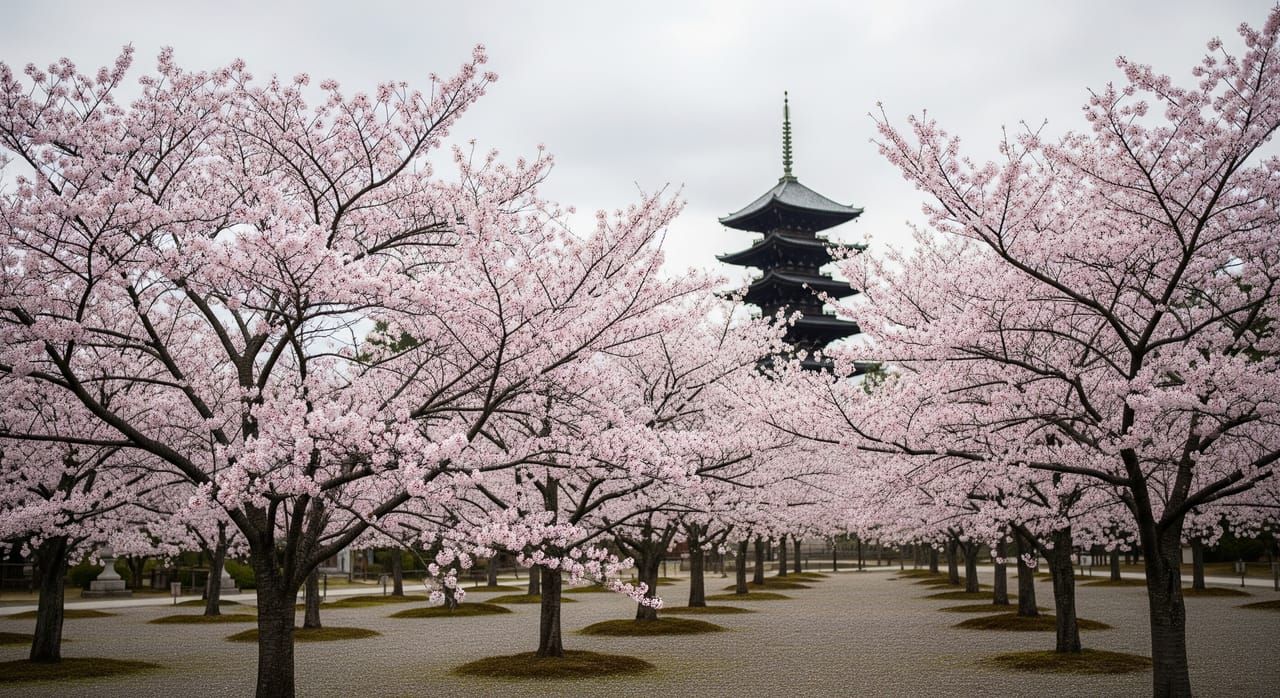 NINNA-JI
 Night Illumination Events
Several major venues hold special night viewing events during peak bloom:
Night viewing events are extremely popular — arrive early or queue.
Kiyomizudera and Kodaiji night events sell out or have very long queues during peak bloom week. For Kiyomizudera, arrive at least 30 minutes before the 6pm opening. Nijo Castle’s premium pricing keeps it slightly less crowded — often the easiest night event to experience without a long wait.
Practical Tips
- Book accommodation 3–6 months ahead. Kyoto hotels sell out completely during peak bloom. No exceptions during good bloom years.
- Forecast tracking: Install the Tenki.jp or JMA app and check the sakura forecast dashboard from February onward. Forecasts lock in about 2 weeks before bloom.
- Bloom variability: Individual trees and varieties bloom at different times. Even after main bloom ends, some varieties (like Ninna-ji’s omuro sakura) are still beautiful.
- Rain during bloom: Light rain is romantic. Heavy rain knocks petals off quickly and can end a bloom peak in a day. Watch forecasts.
- Travel from Tokyo: The Shinkansen means Tokyo travelers can reach Kyoto easily — but this also means Tokyo’s and Kyoto’s blooms partially overlap with peak rush.
The best cherry blossom experiences in Kyoto are free or low-cost: Maruyama Park (free), Philosopher’s Path (free), Fushimi Inari lower area (free), Hirano Shrine (free outside festival). Save your entry fees for Ninna-ji’s omuro grove or a night illumination event.
Plan your trip: Kyoto Cherry Blossom Spots: 10 Best Sakura Places, 2-Day Kyoto Itinerary, and 3-Day Kyoto Itinerary can be adapted for sakura season. The Kyoto First-Timer Guide covers seasonal planning in detail.
Evening walk: Our Gion Night Walk is particularly atmospheric during cherry blossom season — join us for an evening through Gion with blossoms and lanterns.
// Kyoto Local Experience
Explore Kyoto
with a Local Guide
Skip the crowds and see the Kyoto most visitors never find. Small-group tours led by local experts — built around genuine stories, hidden spots, and real connections with the city.
FAQ
When is cherry blossom season in Kyoto? ▼
What are the best cherry blossom spots in Kyoto? ▼
How crowded is Kyoto during cherry blossom season? ▼
What is hanami? ▼
RELATED GUIDES
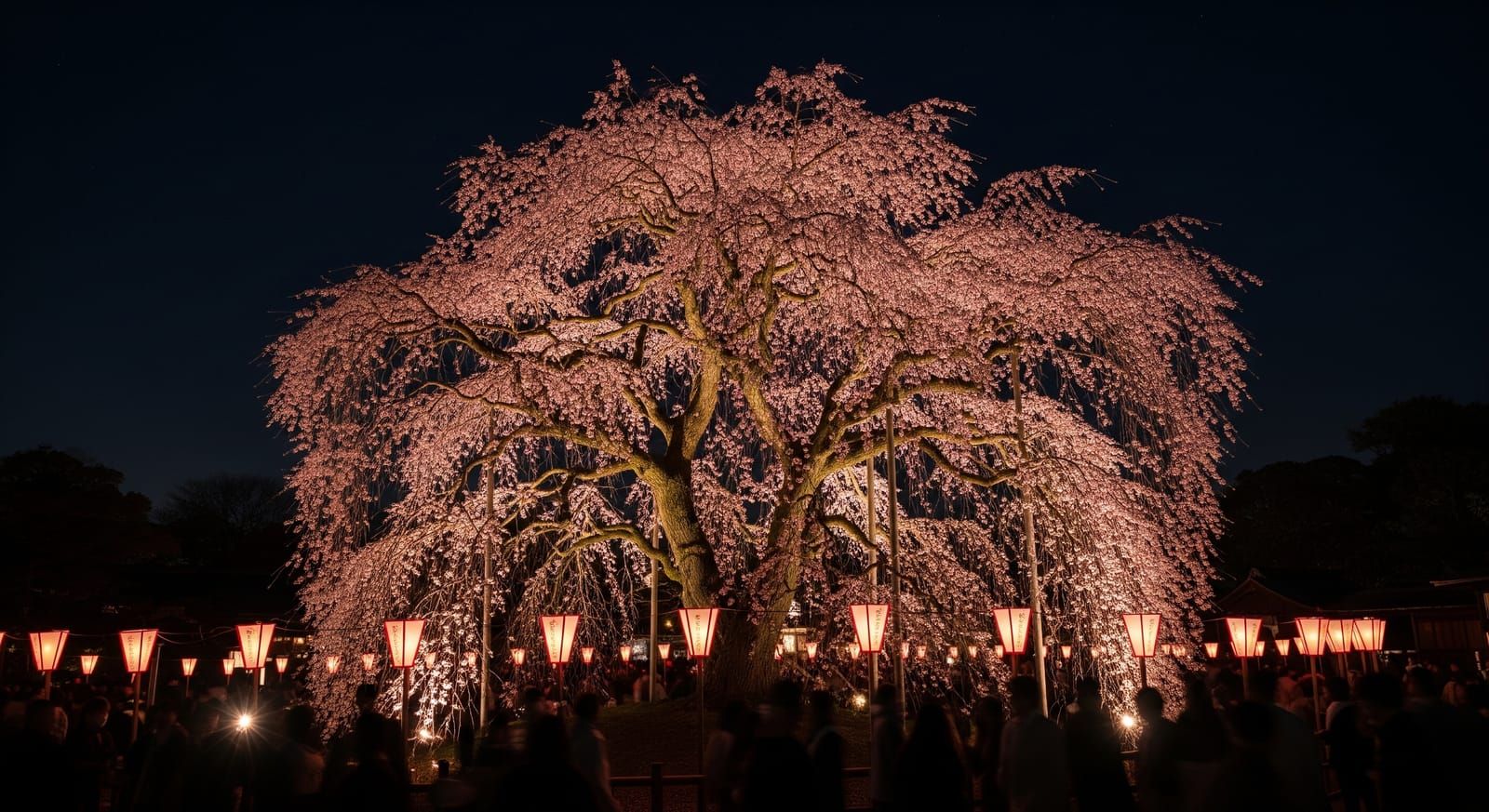
Kyoto Cherry Blossom Spots: 10 Best Sakura Places
A practical guide to Kyoto's best cherry blossom spots, from iconic sakura views in Higashiyama to quieter river walks, late-blooming temples, and evening illumination areas.
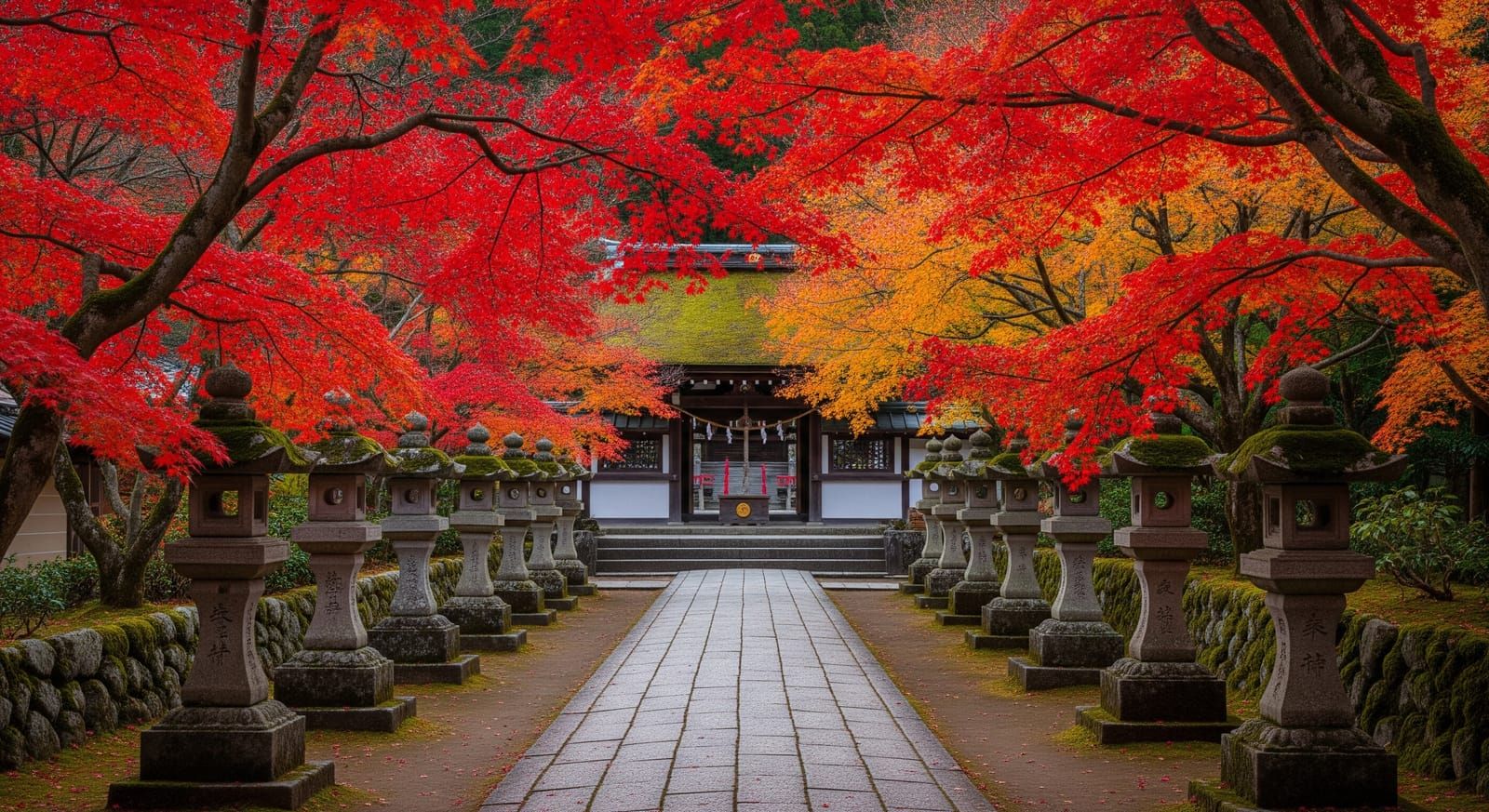
Kyoto Autumn Leaves: Best Spots & When to Go
Plan your Kyoto koyo trip: the best autumn foliage spots, when peak color hits in 2026, how to avoid crowds at the top spots, and the hidden gems most visitors miss.
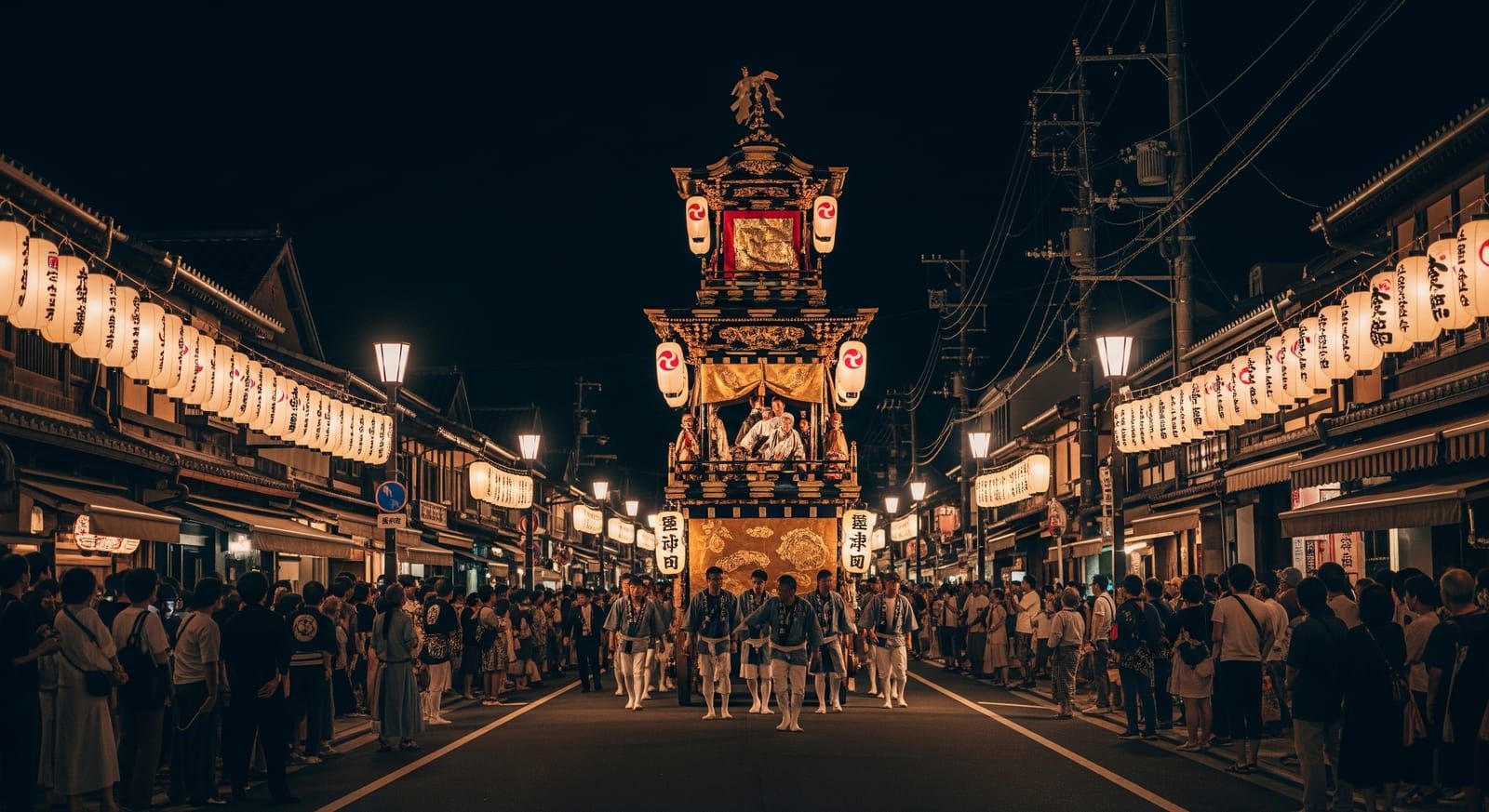
Gion Matsuri Festival Guide: Dates, Events & Tips
Everything you need for Gion Matsuri: the full July event calendar, which nights to visit for Yoiyama, where to see the Yamaboko float processions, and practical tips for navigating the crowds.
Local guide based in Gion, Kyoto. Leading small-group walking tours and cultural workshops since 2024. Passionate about connecting travelers with authentic Kyoto culture.