
ITINERARIES
2 Days in Kyoto: The Best Weekend Itinerary
Two days is enough for Kyoto’s highlights if you split the city geographically rather than chasing a checklist — east on day one, west on day two. This itinerary does exactly that, with the transit times, food stops, and start times that keep it from turning into a march.
Overview
Two days in Kyoto, done right: early starts, smart routing, and the right balance between the famous sites and the atmospheric corners in between. This itinerary is built around what’s actually best in the morning, afternoon, and evening — not just what’s geographically close.
Day 1 focuses on eastern Kyoto: Fushimi Inari at dawn, the Higashiyama walk, and an evening in Gion.
Day 2 focuses on western and central Kyoto: Arashiyama bamboo and temples in the morning, then either Kinkaku-ji or Nijo Castle in the afternoon.
Both days start early. The gap between arriving at Fushimi Inari at 6am versus 9am — or the bamboo grove at 8am versus 10am — is the difference between a personal experience and a crowd event. Set the alarm.
Day 1: Eastern Kyoto — Fushimi, Higashiyama, Gion
Walk the lower torii tunnels for 30–45 minutes. Before 7am, the gates are nearly empty and the light through the vermilion frames is exceptional. You don’t need to hike to the summit — the most dramatic tunnels are within the first 20 minutes of walking. See the full Fushimi Inari guide for route details.
Budget 1 hour at the shrine. Leave by 7:30am.
Near-empty tunnels, exceptional light
Shoulder-to-shoulder through the main gates
From Inari, take the Keihan Line north to the Gion area. Breakfast options:
- Inoda Coffee (near Karasuma-Oike): Opens 7am, classic Kyoto kissaten with a proper Western breakfast set.
- Convenience store (7-Eleven or FamilyMart): Reliable and fast — onigiri, coffee, egg sandwich.
- Near Kiyomizudera: Cafes along the slope open from 8:30am.
The wooden stage with city views is the main attraction, but budget 60–75 minutes to see the Otowa waterfall, Jishu Shrine, and the Tainai-meguri underground corridor. See the Kiyomizudera guide for what to prioritize.
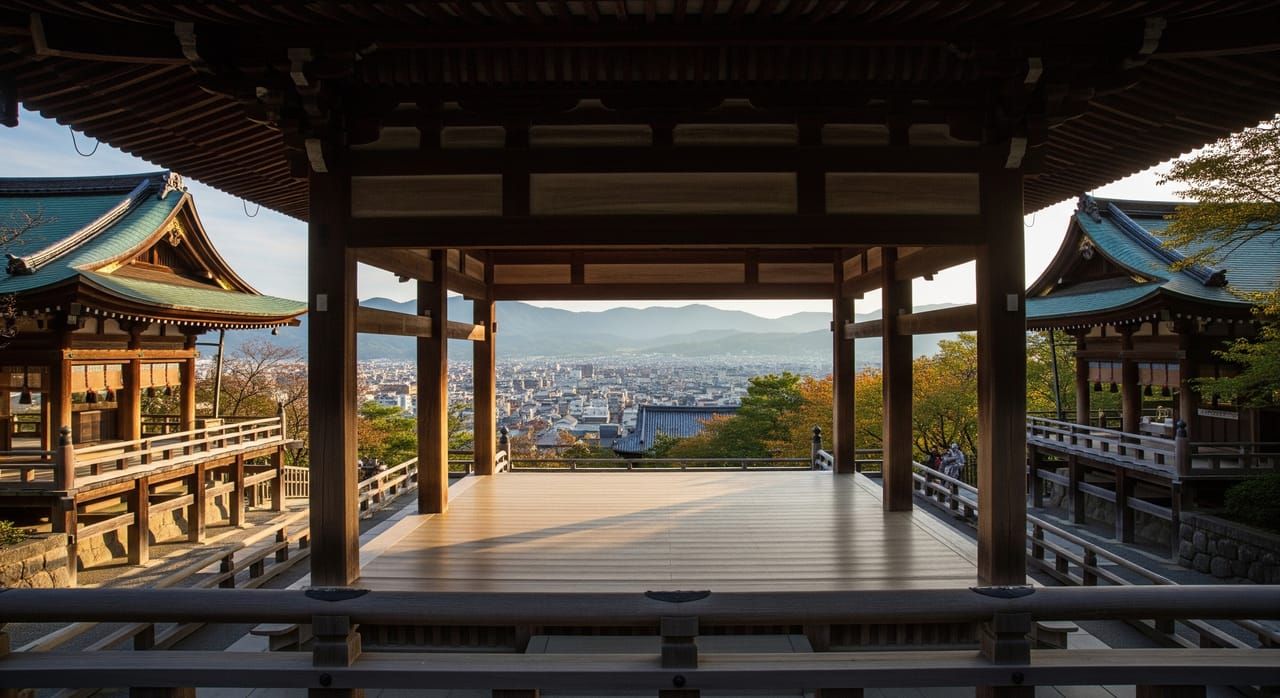 KIYOMIZUDERA · 09:30
 Walk downhill from Kiyomizudera through the stone-paved historic lanes. This is the Higashiyama walking route — follow it north at whatever pace feels right. Stop for matcha soft serve on Ninenzaka. Take the Ishibei-koji detour if you want the best photography in this section.
Continue to Kodaiji Temple (¥600) or walk directly to Maruyama Park. End at Yasaka Shrine.
This narrow lane off the main Higashiyama path has no souvenir stalls — just old stone walls, traditional inns, and near-silence even at midday. A 5-minute detour that feels like a different century.
The area between Yasaka Shrine and Shijo has many mid-range lunch options. Obanzai lunch sets (¥1,500–¥2,500) are the most characteristically Kyoto choice.
Walk the Gion district while it’s relatively quiet. Hanamikoji Street and the Shimbashi canal area are the highlights. See the Gion guide for the key streets.
Day-trippers thin out; best light on Shimbashi canal
Lanterns lit, atmospheric but manageable
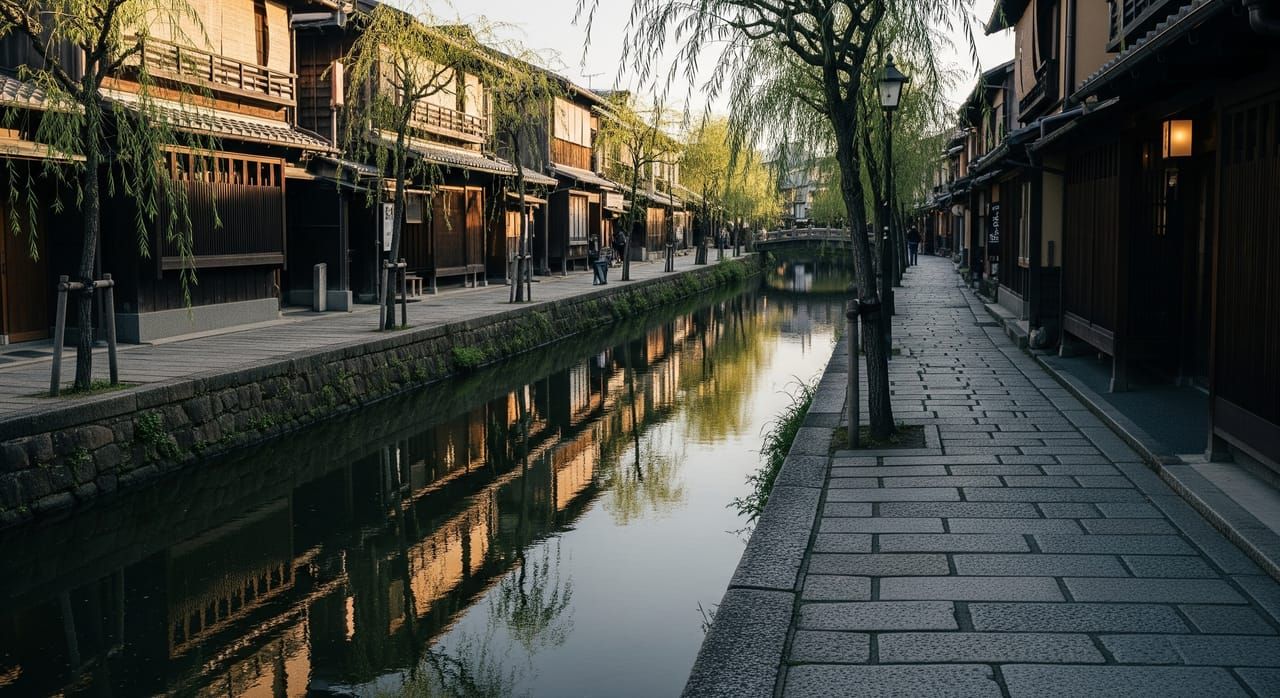 GION SHIMBASHI · AFTERNOON
 A 15-minute walk west brings you to Nishiki Market — covered arcade, afternoon crowds manageable, good for snacks and browsing pickle stalls. Closes around 6pm.
Nishiki Market stalls begin closing from 5:30pm. Arrive by 5pm to browse comfortably and eat from multiple vendors before things close down.
Dinner (reserve in advance for anything above casual), then a slow walk back through Gion as the lanterns light up. The district is most atmospheric between 7pm and 9pm.
Gion restaurants — especially anything kaiseki or obanzai — fill weeks in advance on weekends. Reserve before you leave home. Walk-ins work for ramen and casual spots, not for the places worth eating at in this neighborhood.
Day 2: Western Kyoto — Arashiyama, Kinkaku-ji
Walk north to the bamboo grove entrance. The grove is best before 9am — even 8am is significantly better than 10am. See the Arashiyama Bamboo guide for crowd management.
After the bamboo: Tenryu-ji Garden (¥500, strongly recommended), then Togetsukyo Bridge and the riverside. See the full Arashiyama district guide.
Budget 3 hours in Arashiyama.
Peaceful, photogenic, mist often lingers
Fully packed — difficult to walk freely
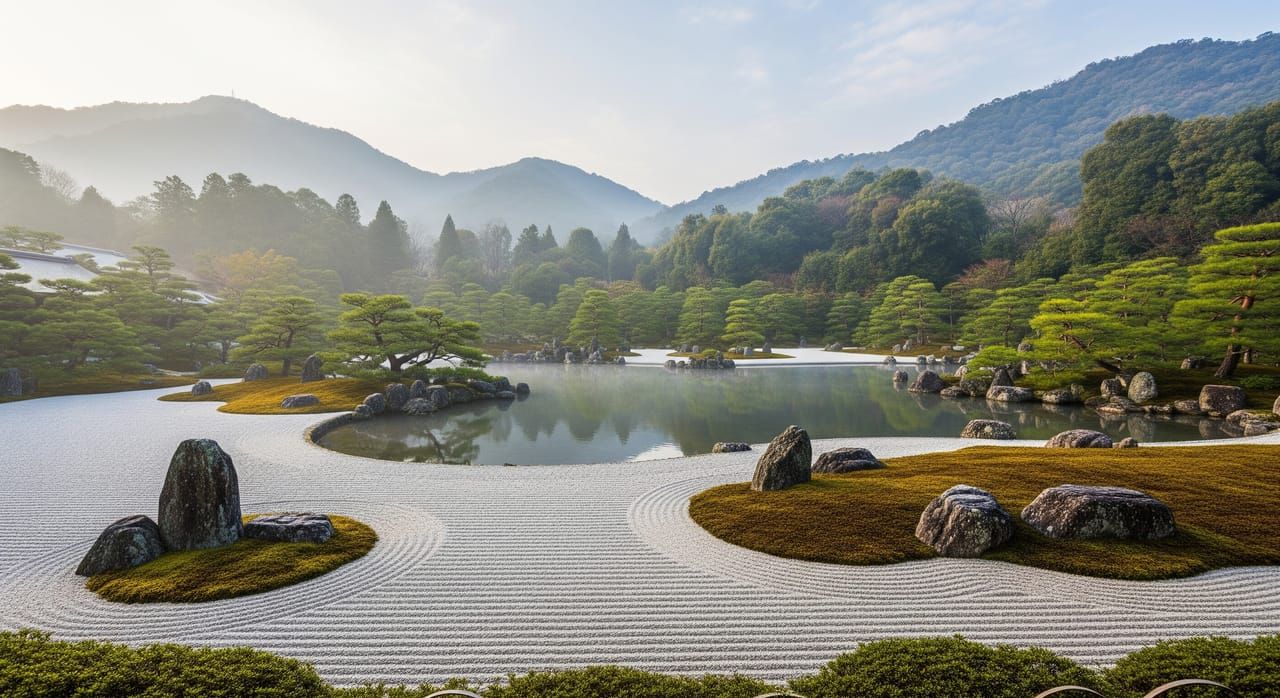 TENRYU-JI · 08:30
 The main street between Togetsukyo and the station has cafes and lunch spots. Tofu cuisine restaurants here are excellent.
Arashiyama has several tofu kaiseki restaurants where a full multi-course lunch runs ¥2,000–¥3,500 — excellent value for the quality. Book ahead or arrive right when they open at 11:30am.
Kinkaku-ji (opens 9am) is a 30–40 minute visit — the route is a one-way circuit. Combine with nearby Ryoan-ji Stone Garden (¥600, 10-minute walk) for a more complete northern Kyoto afternoon. See the Kinkaku-ji guide.
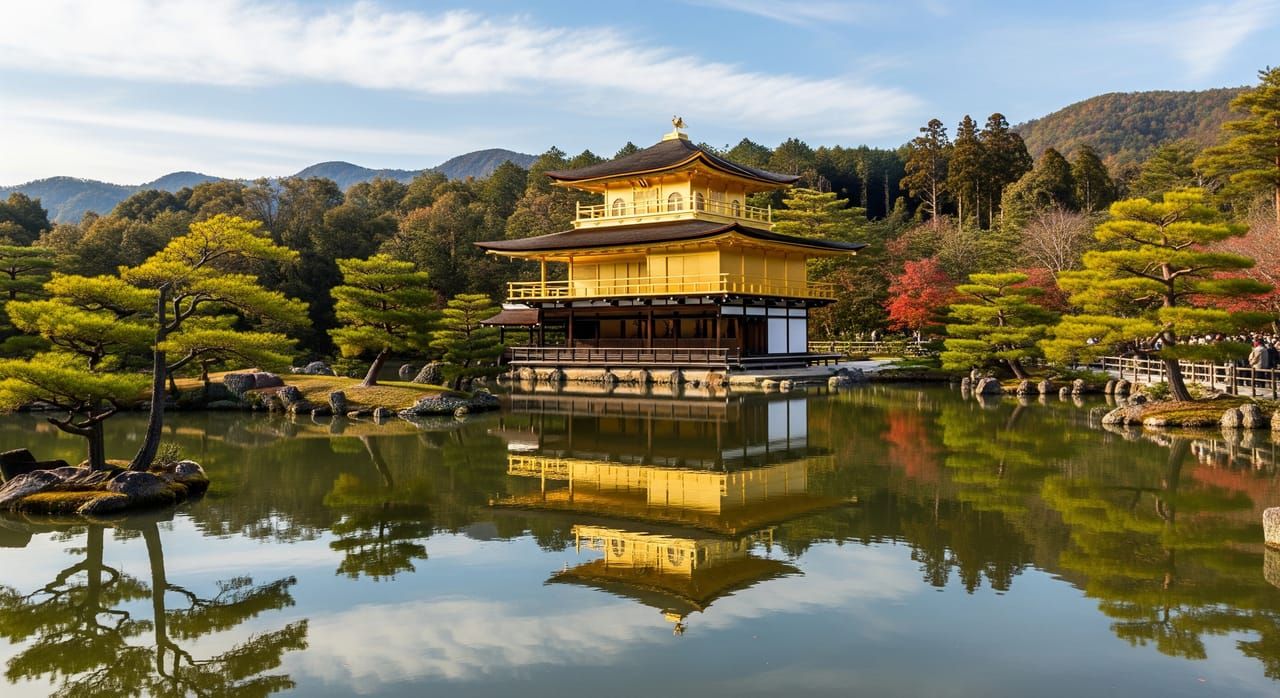 KINKAKU-JI
 Ryoan-ji stone garden is 10 minutes on foot from Kinkaku-ji. The 15 rocks arranged in white gravel — never all visible at once from any single viewpoint — reward patience and quiet. Pair the two sights for a complete northern Kyoto afternoon.
If time and energy allow, Nijo Castle (¥1,300) is accessible by subway Tozai Line. Budget 2 hours. The nightingale floors and decorated palace interior are worth it.
End the trip in the atmospheric river district — Pontocho Alley is lined with restaurants overlooking the Kamo River, especially appealing in summer when outdoor yuka platforms are set up over the water.
Longer stay? See the 3-Day Kyoto Itinerary for a more relaxed pace and additional sights. Coming from Tokyo? Day trips from Kyoto cover Osaka, Nara, and Uji.
Evening guide: Our Gion Night Walk runs most evenings and adds depth to any evening in Gion.
// The Evening You Have Free
Two days of temples.
One night in Gion
A two-day Kyoto plan fills the daylight and leaves the evenings open. Our Gion Night Walk is built for exactly that gap — small groups, lantern-lit lanes, a local guide.
FAQ
Is 2 days enough for Kyoto? ▼
What is the best order to visit Kyoto sights in 2 days? ▼
Do I need a car or rental bike in Kyoto for 2 days? ▼
What day should I do Fushimi Inari? ▼
RELATED GUIDES
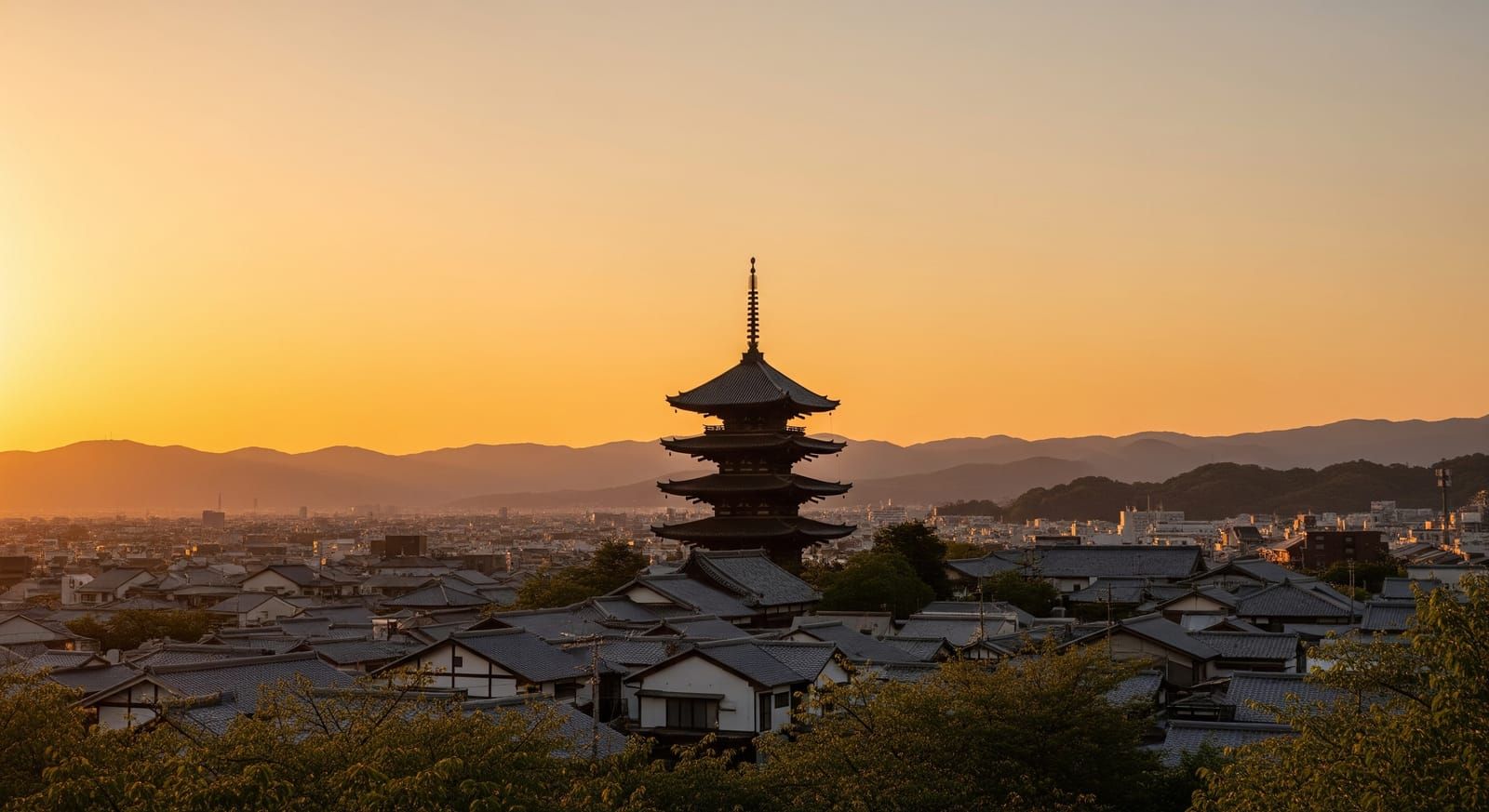
The Perfect 1‑Day Kyoto Itinerary for First‑Timers
A realistic one‑day route hitting Kyoto's essentials: Fushimi Inari, Higashiyama, Gion—timed to beat crowds with transit tips and food stops.
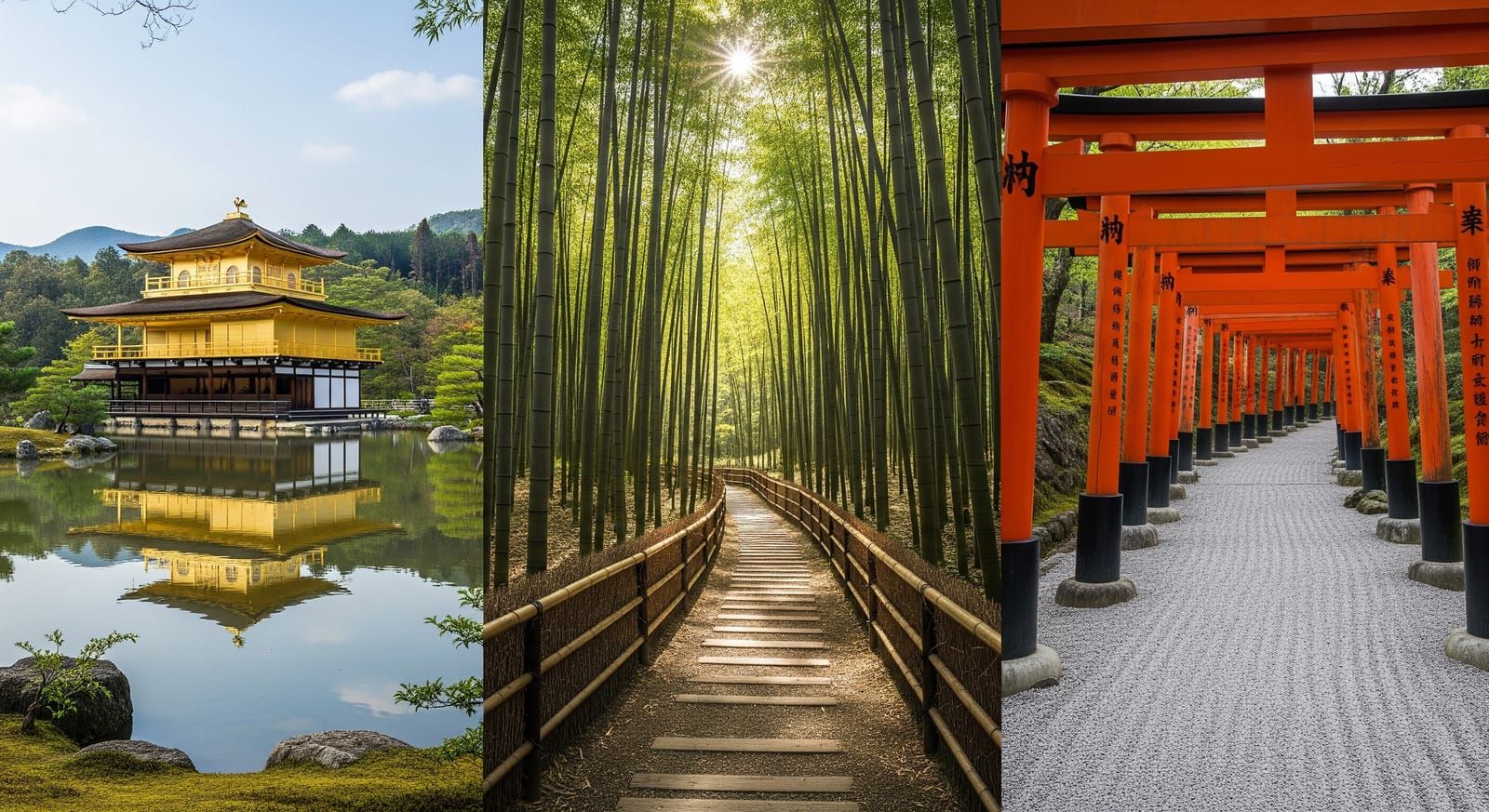
3 Days in Kyoto: Complete First-Timer Itinerary
The ideal 3-day Kyoto itinerary for first-time visitors: day-by-day plans for eastern, western, and northern Kyoto with practical transit tips and the right pace.
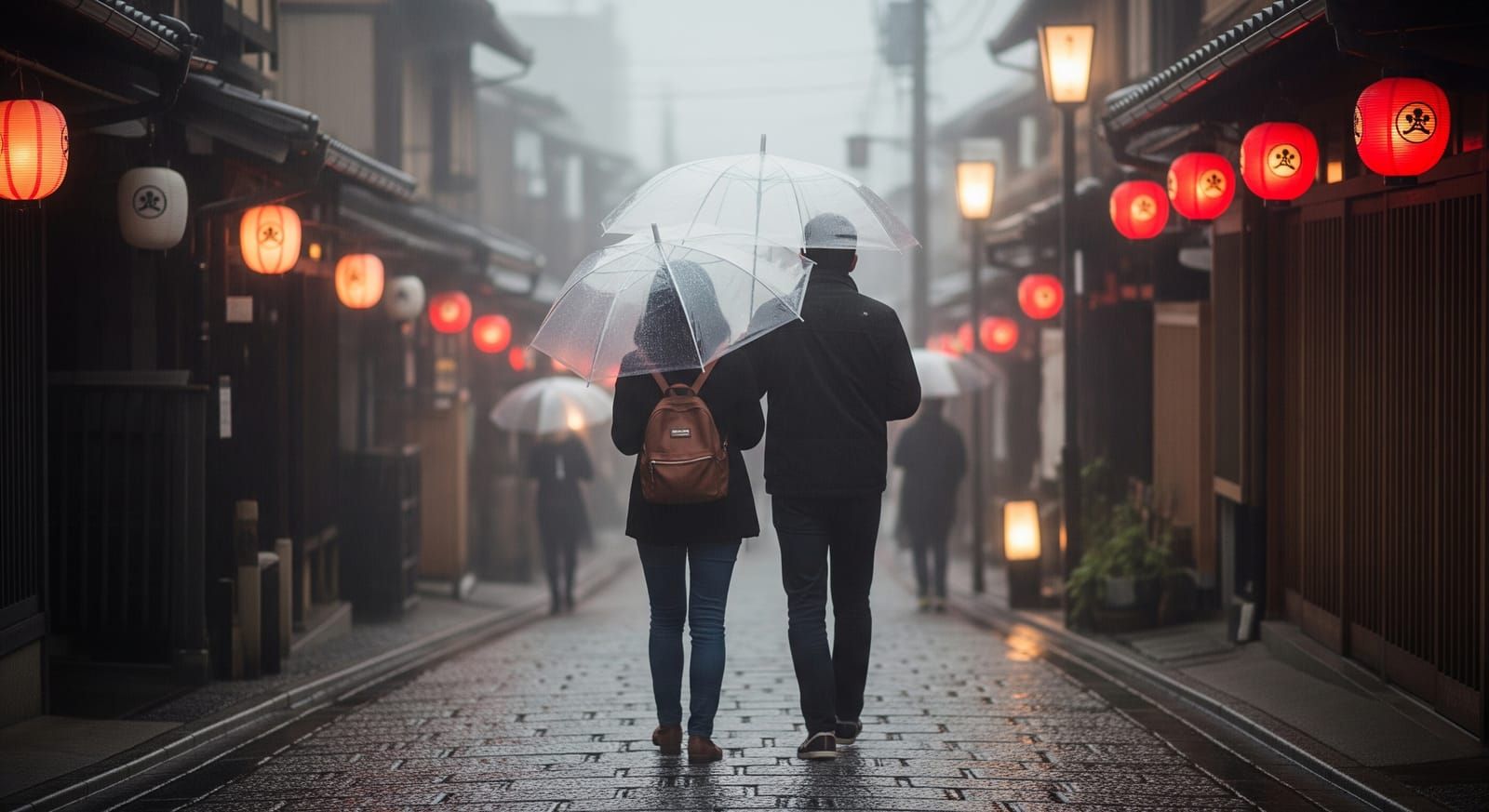
Rainy Day in Kyoto: Best Things to Do Indoors
Kyoto in the rain doesn't have to be a disappointment. Here are the best museums, covered markets, temples designed for rainy visits, and why some sights are better wet.
Local guide based in Gion, Kyoto. Leading small-group walking tours and cultural workshops since 2024. Passionate about connecting travelers with authentic Kyoto culture.