
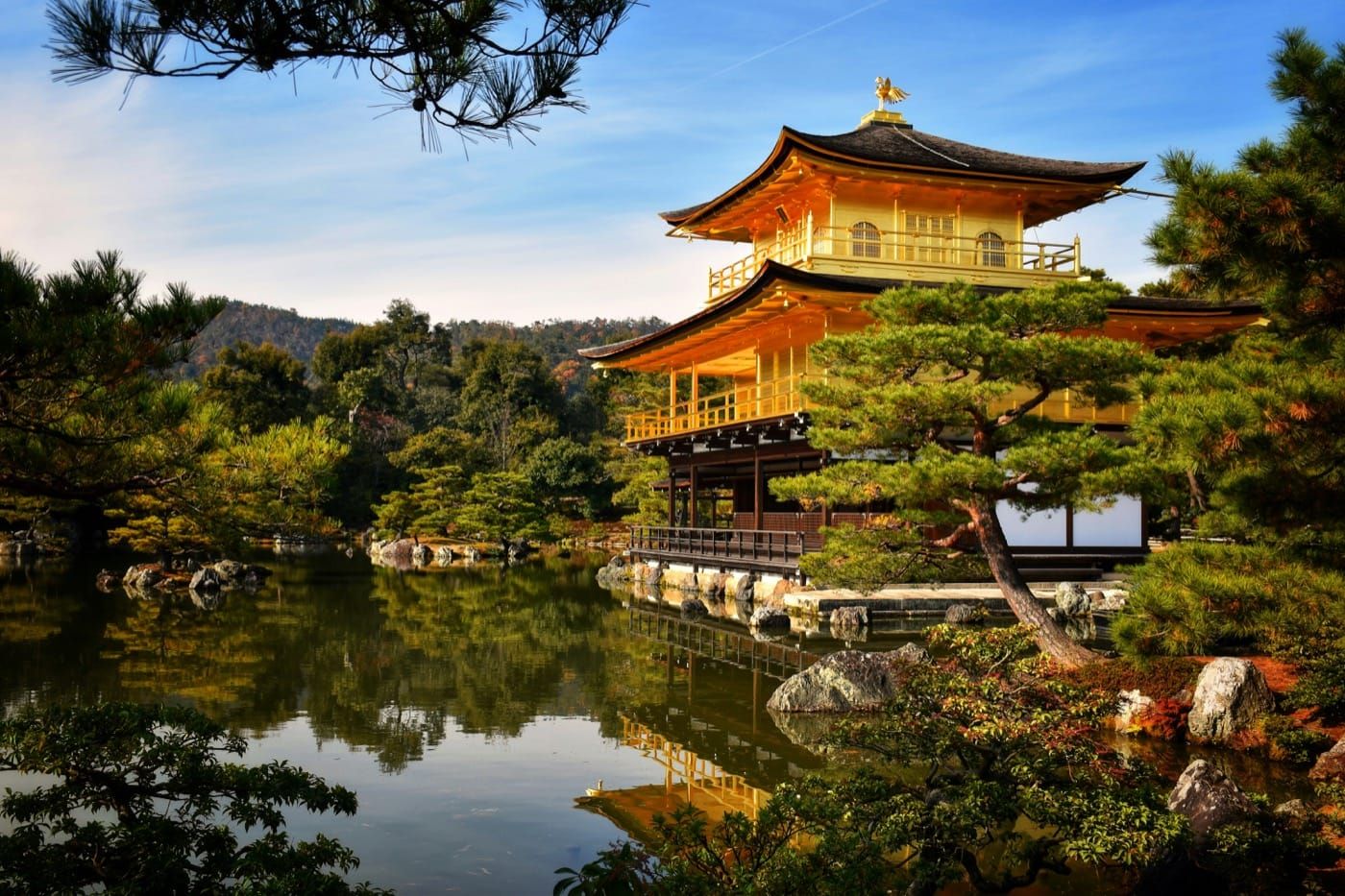
SIGHTS
Kinkaku-ji (Golden Pavilion): Visitor Guide & Tips
Kinkaku-ji is a single building viewed from a fixed path, which makes it Kyoto’s most efficient major sight and its most crowded. Twenty minutes is enough — this guide covers when to go, where the good photograph actually is, and how to combine it with the temples nearby.
About Kinkaku-ji
Kinkaku-ji (the Temple of the Golden Pavilion) is a three-story Zen Buddhist temple covered in gold leaf, set in a pond garden in northern Kyoto. Originally built in 1397 as a retirement villa for shogun Ashikaga Yoshimitsu, it became a Zen temple after his death.
The pavilion burned to the ground in 1950 — set on fire by a disturbed young monk, an act Mishima Yukio made famous in his 1956 novel The Temple of the Golden Pavilion. The current structure is a 1955 reconstruction that applies gold leaf more liberally than historical records suggest the original had.
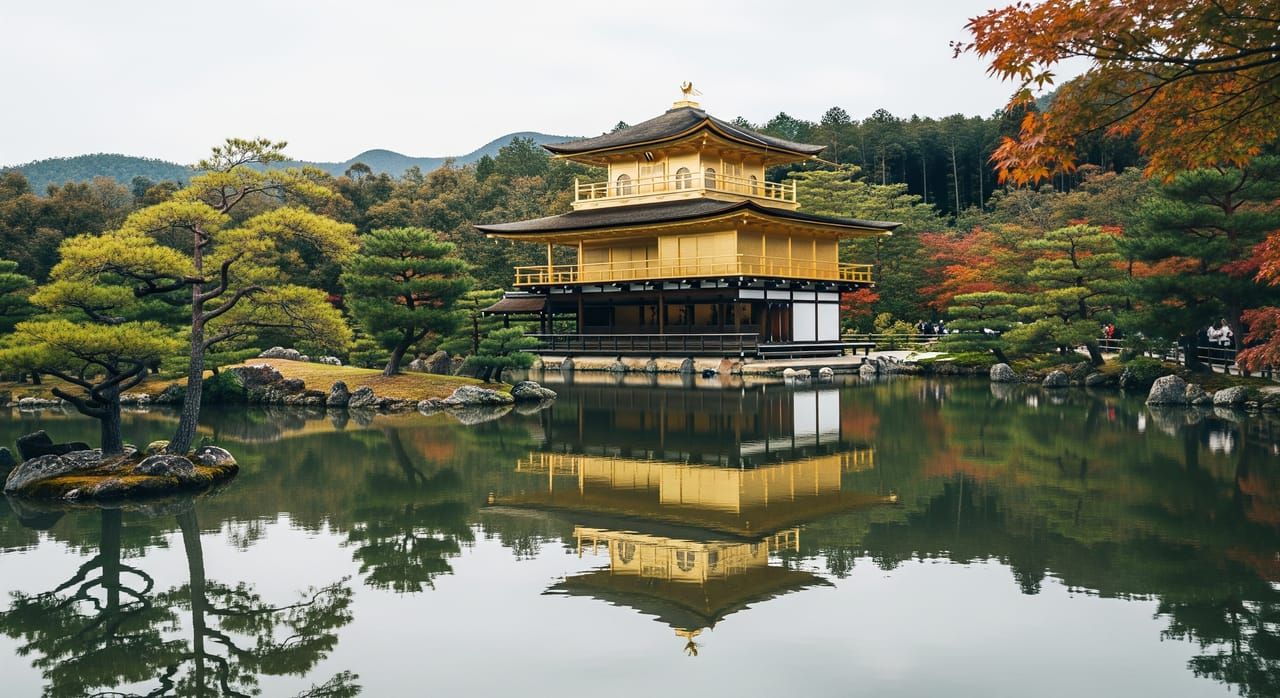 GOLDEN PAVILION
 Each of the three floors is built in a different architectural style: the ground floor in shinden style (aristocratic residential), the middle floor in buke-zukuri (samurai residential), and the top floor in zenshu-butsuden (Zen temple). The combination, intentionally eclectic, reflects the cultural synthesis of the Muromachi period.
Snow coverage in Kyoto is rare — roughly 5–10 days a year, mostly in January–February. Gold-on-white creates a scene almost no tourist photo captures. If you are visiting in winter, watch weather forecasts closely and be ready to go early.
Getting There
By bus: City Bus 205, 101, or 12 from Kyoto Station to Kinkakuji-michi — approximately 40 minutes. This is the standard route but can be slow during rush hours.
By subway + bus: Take the Karasuma Line to Kitaoji Station, then Bus 204 or 205 to Kinkakuji-michi — roughly 11 minutes on the bus and far more reliable than riding all the way from Kyoto Station. (Bus 101, still listed in older guides, no longer runs.)
By taxi: ~¥1,800–¥2,500 from Kyoto Station. Worth considering if traveling with a group or on a tight schedule.
The subway + bus combination via Kitaoji Station saves 10–15 minutes over the direct bus from Kyoto Station and is far less prone to tourist-hour delays. Use it if arriving on a weekend or holiday.
The Garden Route
The visit follows a fixed one-way path around the pond garden. There’s no free roaming — the path takes you past the main pavilion viewpoint and then loops through the upper garden. The total circuit is about 500–700m.
Main viewpoint: The classic reflection shot of the golden pavilion in Kyoko-chi pond is taken from the designated viewing area immediately after the entrance. This is where everyone stops for photos. Overcast days produce more even reflections than bright sunshine.
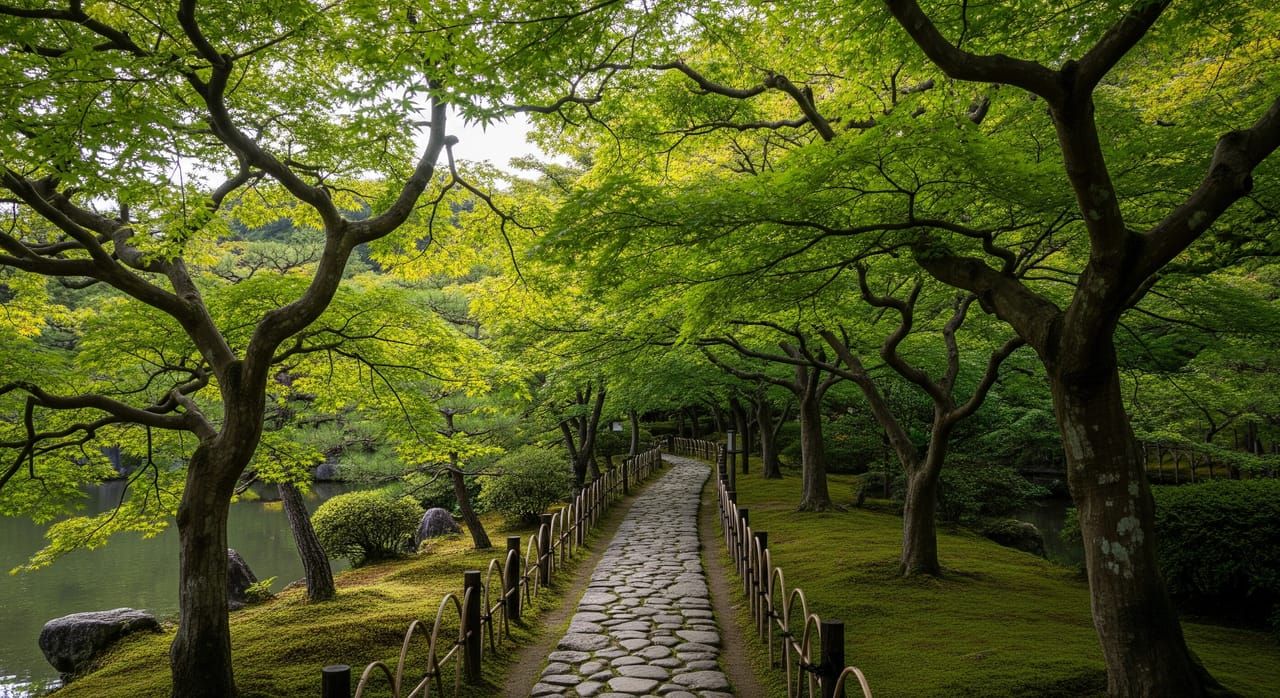 GARDEN PATH
 Anmintaku Pond: Further along the path, a smaller upper garden with a stone pagoda and camellia trees. Usually less crowded than the main viewing area.
Sekkatei Teahouse: A historic tea house near the exit. Tea and sweets (¥500) available — the matcha here is noticeably better than the generic tourist options outside.
Skip the souvenir stalls and street vendors outside the gate. The matcha and wagashi at the Sekkatei Teahouse inside the garden costs ¥500 and is significantly better quality — worth building into your visit time.
Crowd Timing
Best window — arrive before tour buses fill the main viewpoint
Tour groups and individual visitors peak simultaneously
Worst crowds of the day — very difficult to get unobstructed photos
Slightly thinner but still busy; late afternoon light can be harsh
Cloud cover reduces Instagram traffic — better reflection photos too
Unlike some Kyoto temples, Kinkaku-ji does not open before 9am. There is no way to visit at dawn. The opening crush is the lightest the gardens will be all day — arrive at the gate before 9am to be in the first group through.
Managing Expectations
Kinkaku-ji is Kyoto’s most visited single attraction and one of the most photographed buildings in Asia. Expectations are sometimes set unrealistically high by glossy photos. A few things to know:
- The visit itself is short and structured. You follow a set path, stop at the main viewpoint, and exit. There’s no way to linger or explore freely.
- The pavilion is small — impressive in context but more modest in scale than many visitors expect.
- The gardens around it are genuinely beautiful, especially in autumn foliage season.
- Snow coverage (rare in Kyoto, maybe 5–10 days a year) transforms the gold-on-white scene into something extraordinary. If you’re visiting in January–February, watch forecasts.
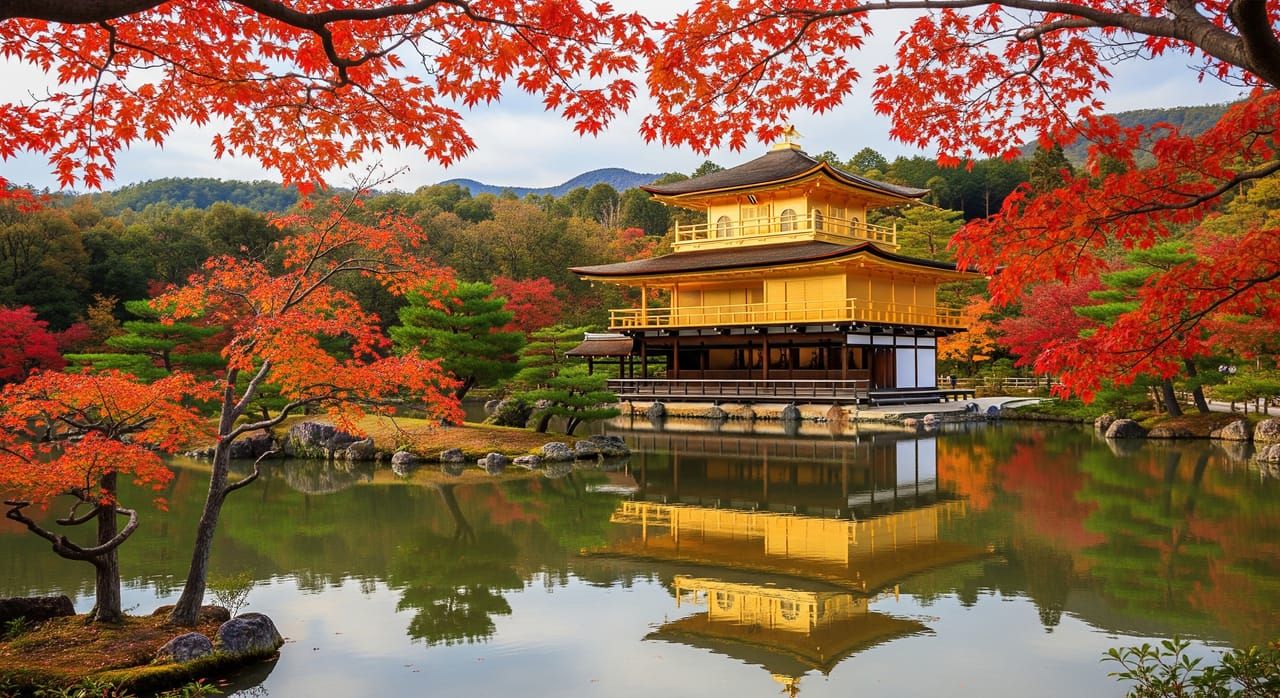 AUTUMN
 Combining with Ryoan-ji
The stone garden of Ryoan-ji is a 10-minute walk southwest from Kinkaku-ji. The famous 15-stone garden in white gravel is one of the finest examples of Zen garden design in Japan. Entry ¥600. Many visitors combine the two on a northern Kyoto half-day, which makes good sense geographically.
Start at Kinkaku-ji at 9am opening, walk to Ryoan-ji (10 min), then continue to Ninna-ji (5 min further). All three are walkable from each other and cover distinct garden styles — a compact morning that avoids the midday crowd peak at Kinkaku-ji.
Planning your days? See the 2-Day Kyoto Itinerary or 3-Day Kyoto Itinerary for how Kinkaku-ji fits into a broader Kyoto trip.
Evening option: Our Gion Night Walk runs most evenings in the Gion district — a full day of northern Kyoto sights pairs naturally with an evening in Gion.
// Kyoto Local Experience
Explore Kyoto
with a Local Guide
Skip the crowds and see the Kyoto most visitors never find. Small-group tours led by local experts — built around genuine stories, hidden spots, and real connections with the city.
FAQ
How much is Kinkaku-ji entry? ▼
What time does Kinkaku-ji open and close? ▼
Can I go inside the Golden Pavilion? ▼
How long does a visit take? ▼
RELATED GUIDES
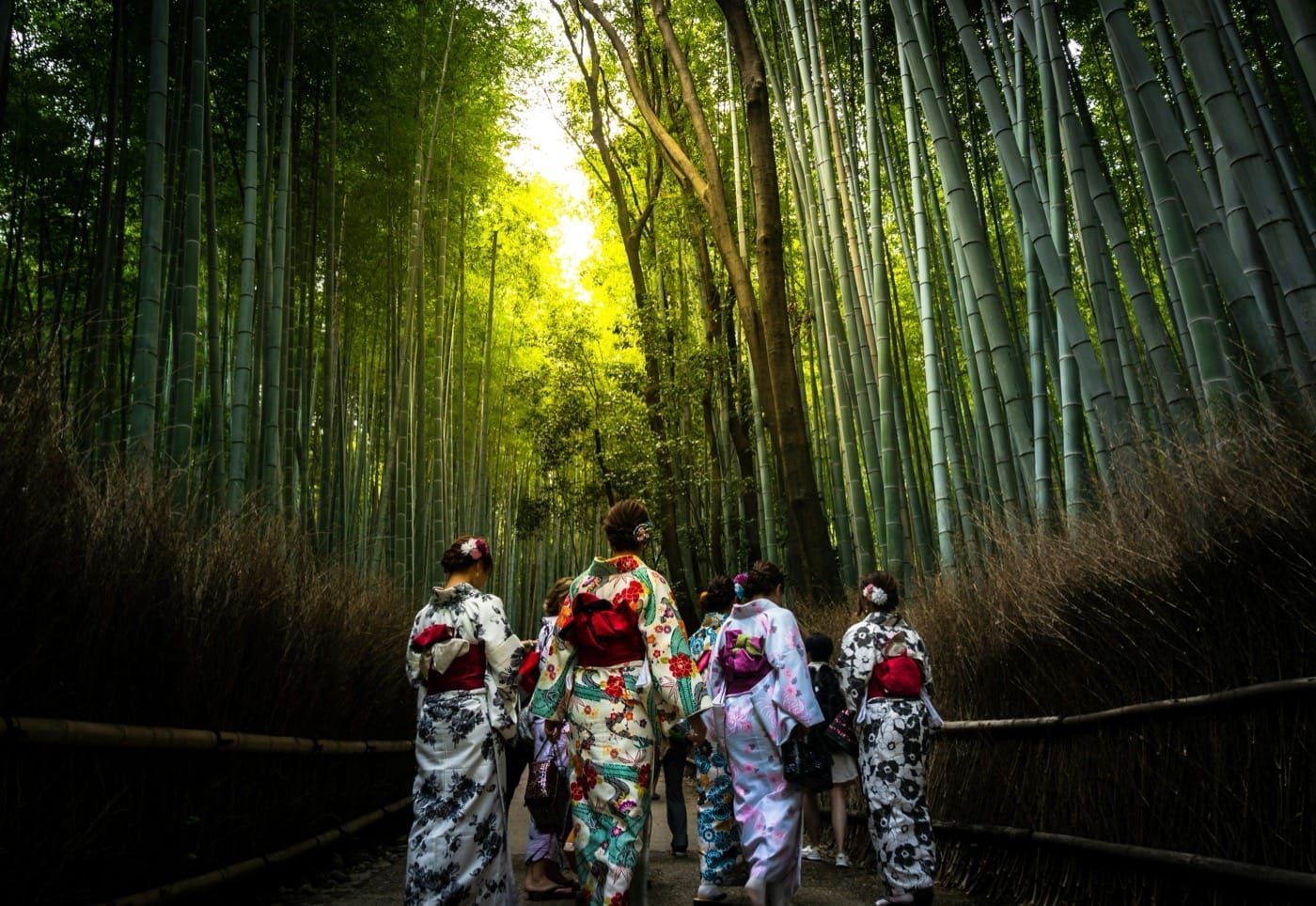
Arashiyama Bamboo Grove: Tips & Best Time to Visit
How to visit the Arashiyama Bamboo Grove without the crowds: best arrival times, what to see nearby, and how to get there from central Kyoto.
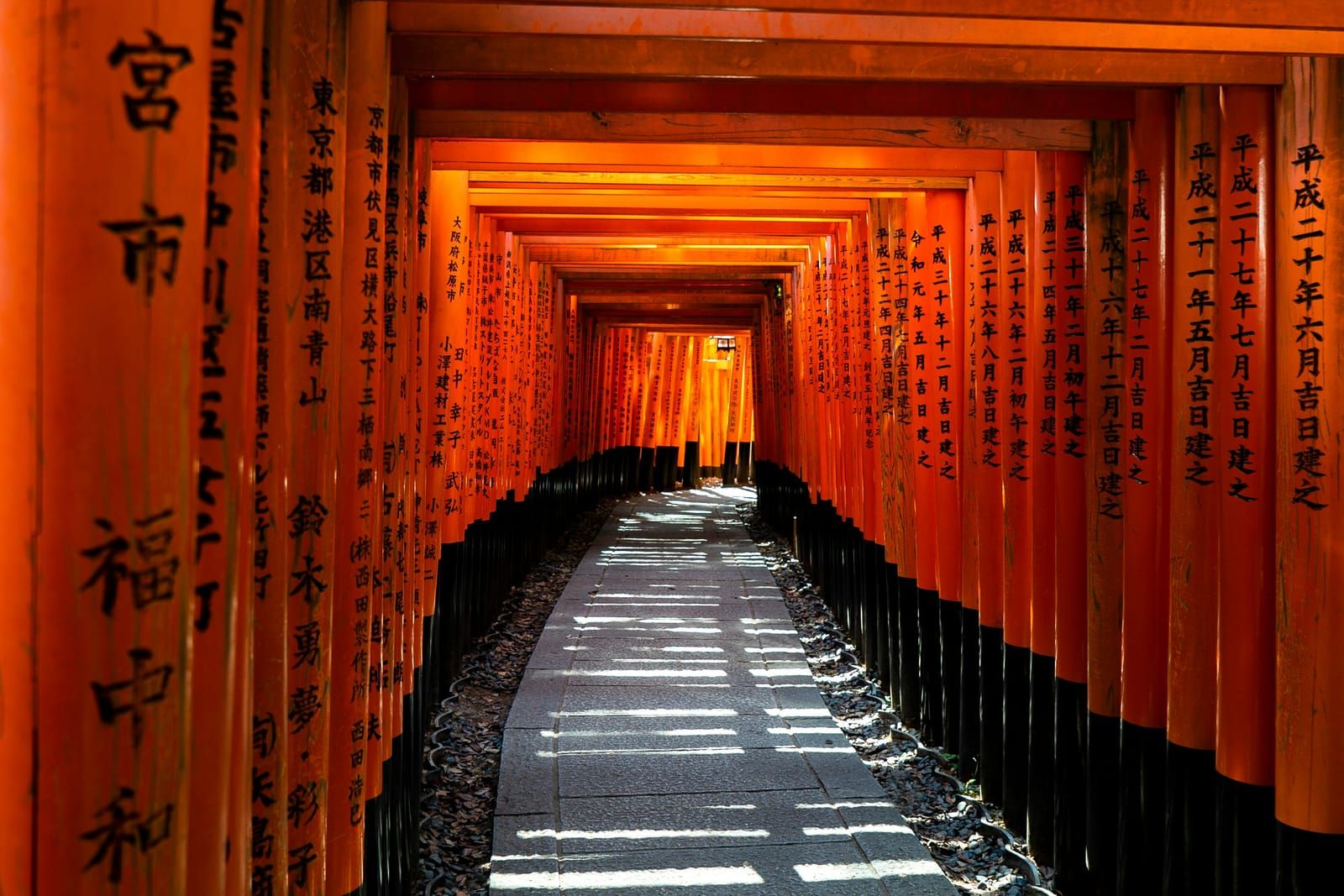
Fushimi Inari Taisha: Complete Visitor Guide
Everything you need to visit Fushimi Inari Taisha: opening hours, trail map, best times to avoid crowds, and how to get there from central Kyoto.
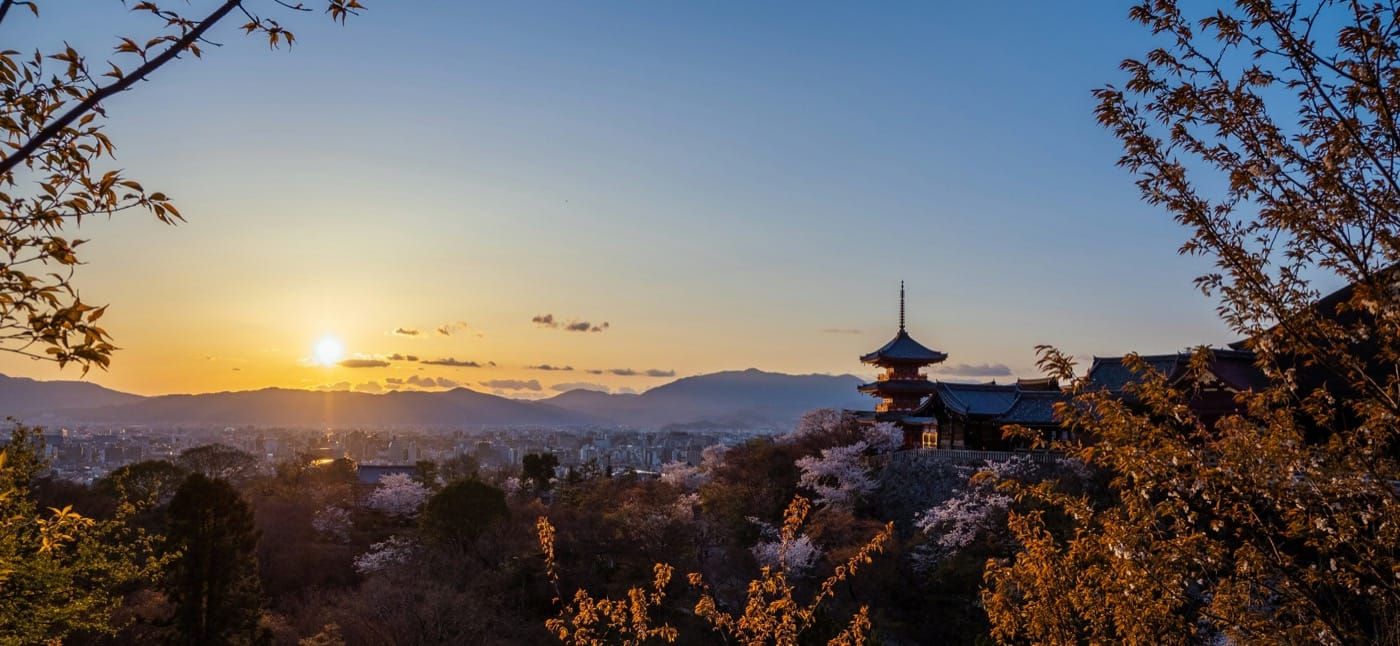
Kiyomizu-dera Temple: Tickets, Hours & Visitor Tips
Everything you need for visiting Kiyomizu-dera: entry fees, opening hours, the best route through the complex, and how to combine it with the Higashiyama walk.
Local guide based in Gion, Kyoto. Leading small-group walking tours and cultural workshops since 2024. Passionate about connecting travelers with authentic Kyoto culture.