
PLANNING BASICS
How to Get Around Kyoto: Bus, Subway, IC Cards
Kyoto is compact, but its transport network is not intuitive: the subway only has two lines, the famous temples are scattered across the edges of the city, and the bus routes that reach them are the ones most likely to be stuck in traffic. This guide covers what each option actually costs, when to use which, and the mistakes that eat the most time.
TL;DR
- Get an IC card (ICOCA or Suica) at the station — it works on every bus, subway, and train in Kyoto.
- Buses cover most temples but get very crowded; combine buses with trains and short walks for efficiency.
- Taxis are a reasonable option for 2–4 people on short hops, especially in the evenings.
- The old ¥700 bus-only day pass no longer exists. Don’t plan around it — see passes below.
IC Cards: Your Transport Swiss Army Knife
An IC card is a rechargeable smart card that works across all of Kyoto’s public transport — city buses, the municipal subway, JR trains, private rail lines (Keihan, Hankyu), and even many convenience stores and vending machines.
Which IC card to get:
- ICOCA — issued by JR West, sold at Kyoto Station and most major JR stations in the Kansai region. This is the most natural choice if you arrive at Kyoto Station.
- Suica / PASMO — issued by JR East (Tokyo). These work perfectly fine in Kyoto on all the same networks. If you already have one from a previous trip to Tokyo, bring it — no need to buy a new card.
All three cards are interoperable. Use whichever you have or find most convenient to buy.
Where to buy and top up:
- Ticket machines at any JR station (look for the green machines at Kyoto Station)
- Station service windows
- Convenience stores (7-Eleven, FamilyMart, Lawson) — tap the card on the reader at checkout to add balance
Starting balance tip: Load at least ¥2,000–¥3,000 when you first buy the card. IC card purchases are slightly cheaper than single tickets on most routes. The ¥500 deposit is refundable when you return the card at a station machine.
Mobile IC cards: iPhone users can add Suica to Apple Wallet (Wallet app > ”+” > Transit Card > Suica). Android users can use Google Pay with Suica or PASMO. Mobile versions can be topped up by credit card directly in the app — no need to find a machine. This is the most convenient option for tech-comfortable travelers.
How to use: Tap the card flat on the IC reader (the yellow/blue pad) at bus entry points and train fare gates. On trains, tap in when you enter and tap out when you exit — the correct fare is deducted automatically. On many Kyoto City buses, you tap only once on entry (flat fare of ¥230 per ride within the city zone).
Add Suica to your iPhone or Android before you leave home. You can top it up via credit card with no Japanese bank account required, and you’ll skip the ticket-machine queue entirely on arrival at Kyoto Station.
 KYOTO STATION
 Buses: Comprehensive but Crowded
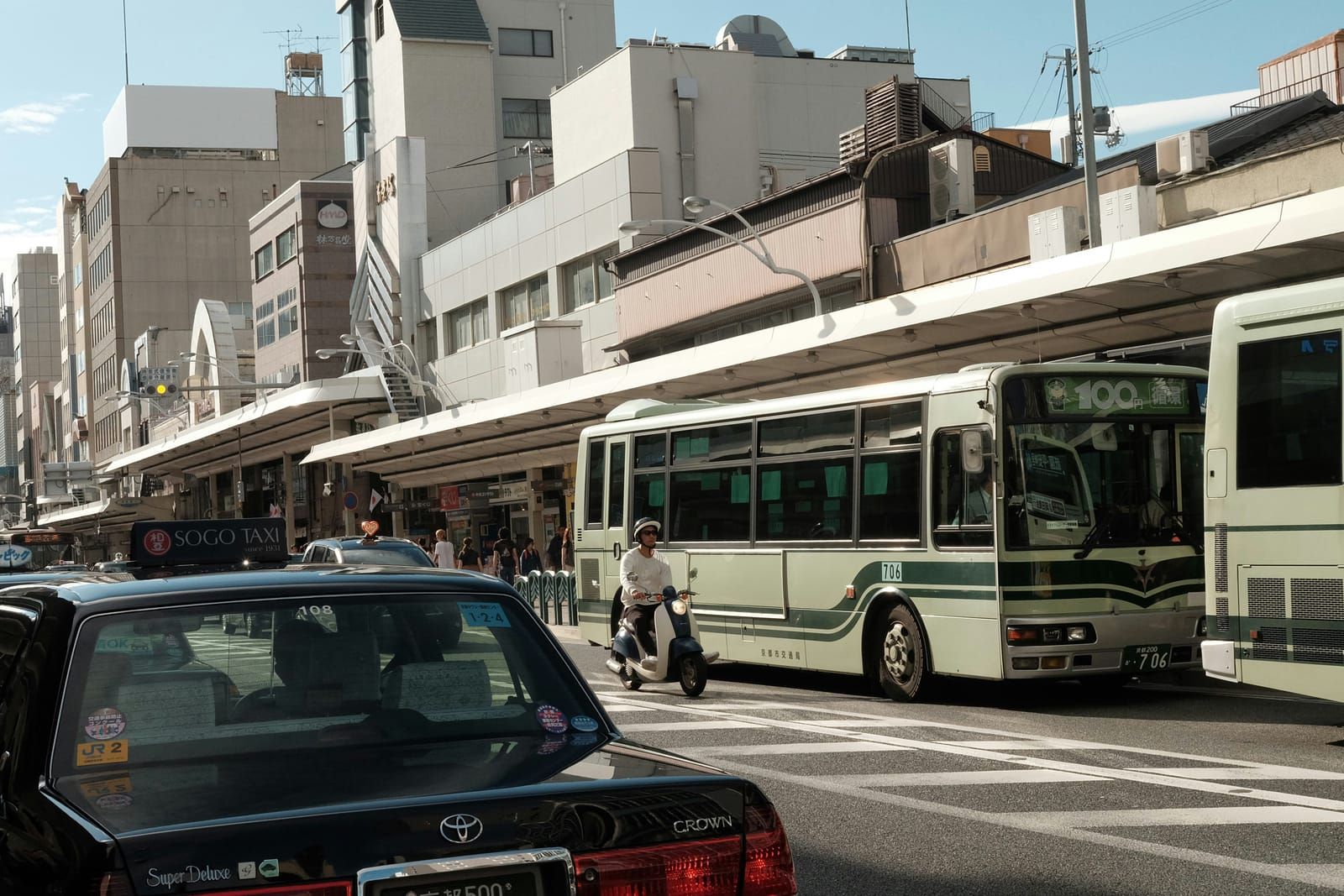
Kyoto’s city bus network (市バス, Shibus) reaches nearly every tourist destination in the city. It is cheap and convenient, but has a significant downside: it runs on surface roads and gets stuck in traffic.
Key routes for tourists:
- Bus 206 — Kyoto Station to Higashiyama, Kiyomizudera (get off at Gojozaka), Gion, and Kitaoji. The main Higashiyama corridor route, and the single busiest tourist bus in the city. Board at stop D2 outside the JR Central Exit.
- Bus 205 — Kyoto Station to Kinkakuji (get off at Kinkakuji-michi), roughly 40 minutes. Departs from stand B3. Do not board a Rapid 205 — it skips Kinkakuji.
- Bus 202 / 207 — useful alternatives into the Higashiyama and Gojozaka area when 206 is overloaded.
Older guidebooks and blog posts still recommend the sightseeing “Raku Bus” routes 100, 101, and 102. These are no longer in service. If a route plan you found online depends on them, it will not work — use 205, 206, and the subway instead.
Fares: ¥230 flat fare within the central zone, which covers most tourist destinations. Pay with your IC card or exact change — drivers do not give change, though there is a change machine at the front of the bus for larger notes.
Kyoto has announced a “citizen priority pricing” system for fiscal year 2027: the flat fare would drop to around ¥200 for Kyoto residents while rising to roughly ¥350–400 for everyone else. It is not in effect yet, but if you are reading this while planning a 2027 trip, budget for the higher visitor fare and confirm on the city transport site before you travel.
Do you need a day pass?
The bus-only ¥700 day pass no longer exists. Kyoto abolished it to reduce bus crowding — sales ended in September 2023, and it stopped being accepted at the end of March 2024. A lot of travel content still recommends it.
The current option is the Subway & Bus 1-Day Pass at ¥1,100 (¥550 for children), valid on the subway, Kyoto City buses, and most Kyoto Bus and Keihan Bus routes. The honest math: at ¥230 per bus ride, it takes about five rides in one day to break even. Most itineraries that mix walking, trains, and two or three buses come out cheaper on a plain IC card. Buy the pass only for a deliberately bus-heavy day — for example, a north-west temple run taking in Kinkakuji, Ryoanji, and Ninnaji.
Avoid buses between 8:00–9:30am and 5:00–7:00pm if at all possible. During cherry blossom (late March–April) and autumn foliage (mid-October–November) peak seasons, Bus 206 toward Kiyomizudera runs standing-room-only for up to an hour. Switch to trains or taxis on those days.
Navigation: Google Maps has accurate Kyoto bus route information including real-time departures. Enter your destination and select the transit option — it will show you which bus to take and where to board, which matters more than it sounds when several stops share a name.
Seats usually available, standing room during shoulder hours
Avoid — trains or taxi strongly recommended
Fills at the terminus; board early or take the subway to Kitaoji instead
Trains: Faster for Cross-City Trips
When you need to cover significant distance across Kyoto, trains are almost always faster than buses. Here are the main lines tourists use:
Kyoto Municipal Subway: Two lines — the Karasuma Line (north-south, running through central Kyoto) and the Tozai Line (east-west, useful for Higashiyama and Nijo Castle). Kyoto Station is the main hub. Fares start at ¥220; IC card accepted.
JR Lines from Kyoto Station:
- JR Sagano Line (San’in Line) — to Saga-Arashiyama station (about 15 minutes). The most direct train route to Arashiyama.
- JR Nara Line — to Inari station (2 stops, about 5 minutes). The fastest and cheapest way to reach Fushimi Inari Taisha. IC card works.
Keihan Line: Runs from central Kyoto (Sanjo, Gion-Shijo, Kiyomizu-Gojo stations) south through Fushimi and on into Osaka. For the shrine, the stop you want is Fushimi-Inari station, about a 5-minute walk from the main approach — not Fushimi-Momoyama, which is a different station serving the sake district further south. Useful if you are staying near the Kamo River corridor. IC card accepted.
Hankyu Line: Access Arashiyama via the Hankyu Arashiyama Line — board at Kyoto-Kawaramachi (the downtown terminus, renamed from plain “Kawaramachi” in 2019, so both names appear online) and transfer at Katsura for the Arashiyama branch. Slightly more scenic than JR, and it drops you on the south side of the river. IC card accepted.
The JR Nara Line stop at Inari station drops you literally at the first torii gate of Fushimi Inari — you exit the train and the shrine entrance is ten seconds away. This 5-minute ride from Kyoto Station is often overlooked by tourists who default to buses.
 ARASHIYAMA
 Taxis: Efficient for Small Groups
Kyoto taxis are reliable, metered, and widely available. For a group of two to four people, splitting a taxi fare often costs less per person than the equivalent bus or train journey, especially for short hops.
Flagging one down: Taxis queue at stands outside major stations (Kyoto Station, Shijo Kawaramachi, Arashiyama) and large hotels. You can also hail them on the street — a red light in the front window means the taxi is available.
Fares: The starting fare sits around ¥500 for the first kilometre, then meters by distance and waiting time. Kyoto taxi fares have been revised more than once in recent years, so treat any figure you read online — including this one — as approximate and check the rate card inside the vehicle. As a practical benchmark, a ride from Gion to Kinkakuji (about 5 km) runs to roughly ¥2,000 in daytime traffic. Late-night rides between 10pm and 5am carry a surcharge of about 20%.
Payment: Most taxis accept IC cards and major credit cards in addition to cash, though it is always worth confirming before you get in.
Rear doors open and close automatically — the driver controls them. Do not grab the door handle yourself. This is standard taxi etiquette throughout Japan and drivers will appreciate you following it.
App-based hailing: DiDi and GO (ゴー) both operate in Kyoto and let you book in English with a set-price estimate before you confirm. GO is the dominant Japanese platform and tends to have more available drivers.
For four people, a ~¥2,000 taxi across town works out at ¥500 each — barely more than two bus rides, and it saves the 40 minutes that the same trip takes on Bus 205. The taxi wins more often than visitors expect, especially in the evening and in the rain.
Walking: The Underrated Option
Several of Kyoto’s most famous areas are best explored entirely on foot. Once you are in the right neighborhood, walking lets you discover the side streets and smaller shrines that buses and taxis rush past.
Best walking districts:
- Higashiyama — from Kiyomizudera down through Sannenzaka, Ninenzaka, Ishibei-koji, and into Gion is a continuous, mostly flat walking route of about 3 km.
- Gion and Shijo — the geisha district and downtown shopping are adjacent and very walkable.
- Nishiki Market — the covered market arcade is foot traffic only.
Keep left on narrow streets and stepped lanes (not a strict rule, but it keeps flow orderly). Many of Higashiyama’s paths are shared with rickshaws — step aside when you hear them approach.
 HIGASHIYAMA
 Biking: Good for Central Kyoto
Cycling is a pleasant way to cover central Kyoto’s flat terrain. The city around Nijo Castle, the Imperial Palace, and the Kamo River is easy to navigate by bike.
Rentals: Available near Kyoto Station, Shijo-Kawaramachi, and Arashiyama from ¥1,000–¥1,500 per day. Most rental shops provide a basic city map.
Parking: Bike parking in Kyoto is strictly regulated. Use designated bicycle parking areas (駐輪場) — parking on sidewalks in front of shops or at shrines can result in your bike being impounded and a retrieval fee of ¥2,000 or more.
Hilly areas: The eastern temple district (Kiyomizudera, Nanzenji) involves significant uphill stretches. E-bikes are available at some rental shops for an extra ¥500–¥1,000 per day and make these routes much more manageable.
The Kamo River cycling path running north from downtown Kyoto is one of the city’s best-kept transport secrets — flat, scenic, and completely traffic-free. It connects central Kyoto to the Demachiyanagi area in about 20 minutes and is especially beautiful in the early morning.
Sample Routes
These are the journeys most first-time visitors actually make, with the option a local would pick.
| Journey | Best option | Approx. time | IC card? |
|---|---|---|---|
| Kyoto Station → Fushimi Inari | JR Nara Line to Inari | 5 min | Yes |
| Kyoto Station → Arashiyama | JR Sagano Line to Saga-Arashiyama | 15 min | Yes |
| Kyoto Station → Kinkakuji | Bus 205 to Kinkakuji-michi, or taxi | 40 min | Yes (bus) |
| Kyoto Station → Kiyomizudera | Bus 206 to Gojozaka, then 10 min uphill walk | 20–30 min | Yes (bus) |
| Gion → Arashiyama | Keihan to Kyoto-Kawaramachi, Hankyu to Arashiyama | 35–40 min | Yes |
| Nijo Castle → Gion | Tozai Subway Line to Higashiyama | 10 min | Yes |
| Fushimi Inari → Gion | Keihan from Fushimi-Inari to Gion-Shijo | 10 min | Yes |
Peak season advice (late March–April, mid-October–November): popular bus routes run standing-room-only for hours during peak foliage and cherry blossom season. On those days, build extra travel time into your schedule or shift to trains wherever possible. See when to visit Kyoto for the week-by-week picture.
 KYOTO SUBWAY
 Going Beyond Kyoto
The same IC card works across the whole Kansai region, so day trips need no extra planning. Osaka is 15 minutes away by Shinkansen or about 30 by regular train, Nara is 35–45 minutes, and Uji is a 17-minute hop on the JR Nara Line.
Where the walking actually starts: the one part of Kyoto you should not try to solve with transport is Higashiyama and Gion. Once you are in the neighborhood, everything worth seeing is within a 3 km walk — and after 8pm, when the tour buses have gone, it is a different place entirely. Our Gion Night Walk covers those lanes after dark with a local guide, from Hanamikoji to Yasaka Shrine.
Read Next
For planning your first full day, see the Kyoto 1-Day Itinerary. For the overall trip overview, see the Kyoto First-Timer Guide. For ATM and SIM card advice, see Cash, ATMs, SIM & Wi-Fi.
// Gion After Dark
Worked out the trains?
Now see Gion at night
Higashiyama and Gion are best on foot after the day-trip crowds leave. Our Gion Night Walk covers the lantern-lit lanes with a local guide, from Hanamikoji to the Yasaka Pagoda.
FAQ
What is the best way to get around Kyoto? ▼
Do I need a Kyoto bus day pass? ▼
How much is a Kyoto city bus ride? ▼
Is ICOCA or Suica better for Kyoto? ▼
RELATED GUIDES
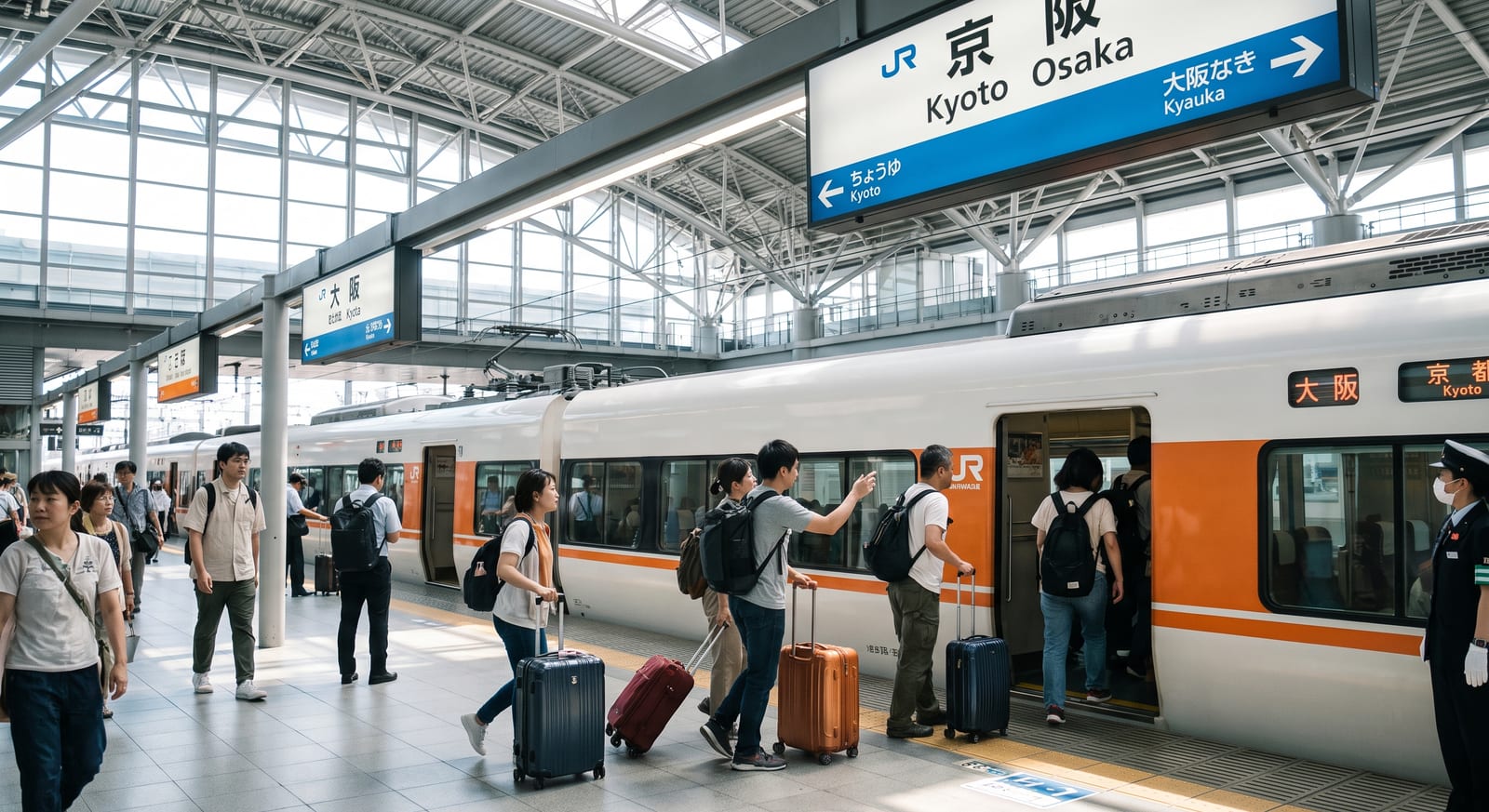
Kansai Airport to Kyoto: Every Route Compared (2026)
How to get from Kansai Airport (KIX) to Kyoto: the Haruka express, limousine bus, shared shuttle, and taxi compared on time, cost, and luggage — plus what to do if you land late.
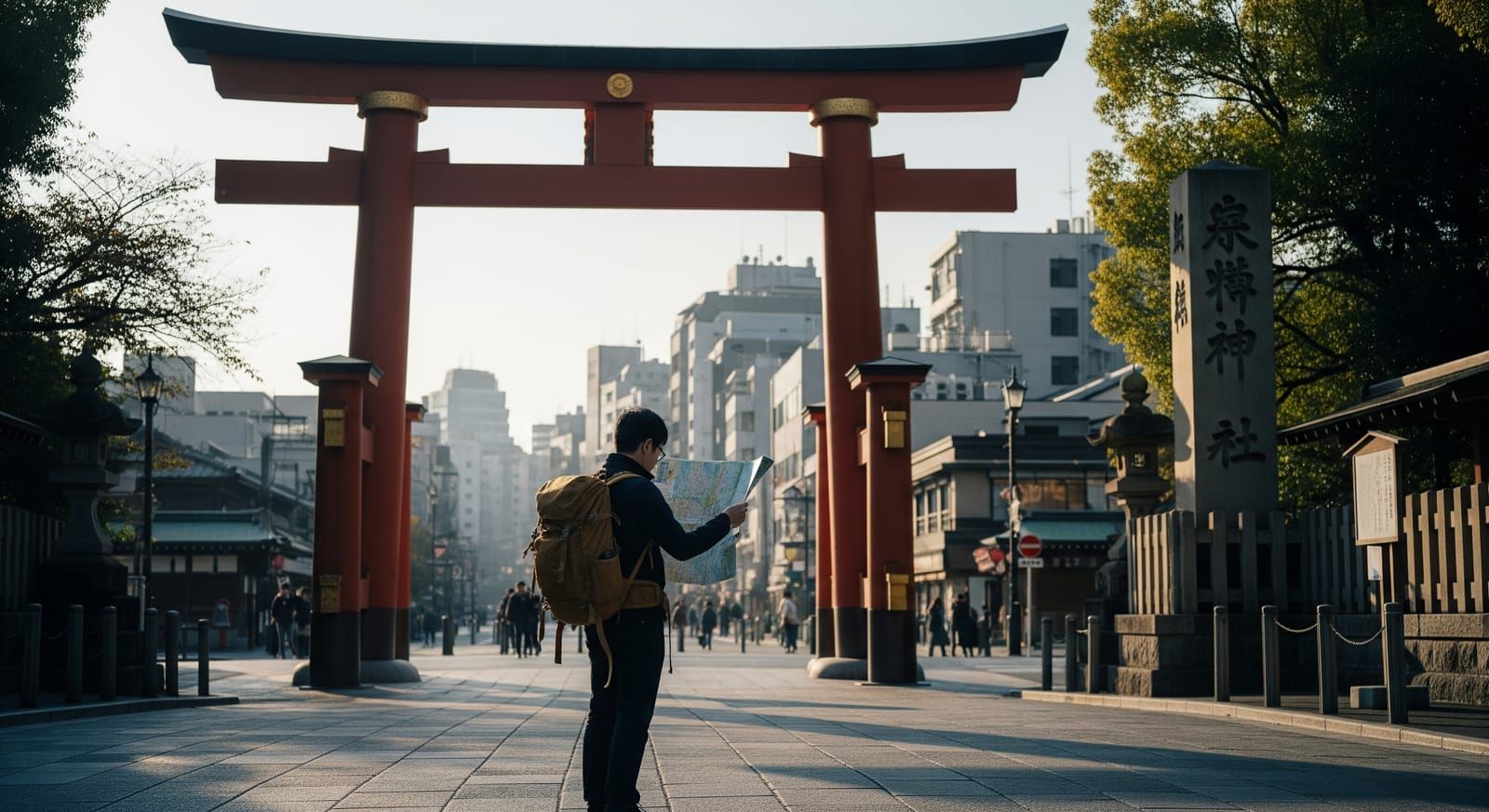
Kyoto First‑Timer Guide: Plan the Perfect 1–3 Day Trip
Clear, practical guide for first‑time visitors to Kyoto: when to visit, where to stay, how to get around, budgets, and the perfect 1–3 day itineraries.
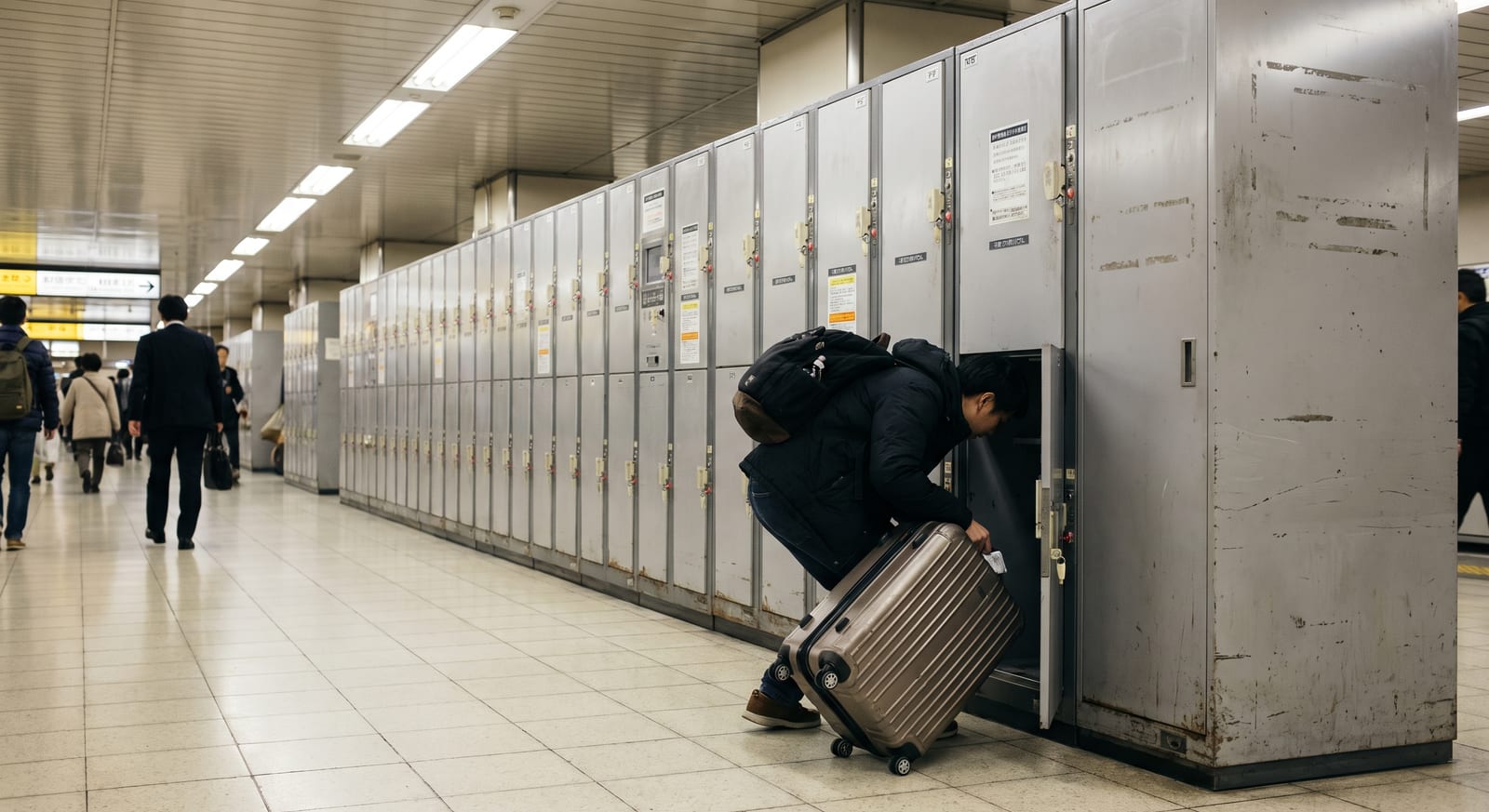
Luggage in Kyoto: Coin Lockers, Storage & Sending Bags Ahead
How to deal with suitcases in Kyoto: coin locker sizes and prices, what to do when they're all full, staffed storage counters, and how takkyubin luggage forwarding works between hotels.
Local guide based in Gion, Kyoto. Leading small-group walking tours and cultural workshops since 2024. Passionate about connecting travelers with authentic Kyoto culture.