Planning Basics
Luggage in Kyoto: Coin Lockers, Storage & Sending Bags Ahead
Kyoto is a city of stone steps, narrow lanes, gravel temple paths, and crowded buses — all of which are considerably worse with a suitcase. The arrival day and the departure day are where most trips lose hours, and both are solvable. This guide covers what lockers cost, what to do when they are all taken, and how the luggage-forwarding network that locals use actually works.
The Rule That Solves Most of It
Do not carry luggage around Kyoto. Either send it ahead to your next hotel, or leave it somewhere and collect it later. Almost every “we wasted the morning” story starts with someone deciding to take a suitcase on Bus 206.
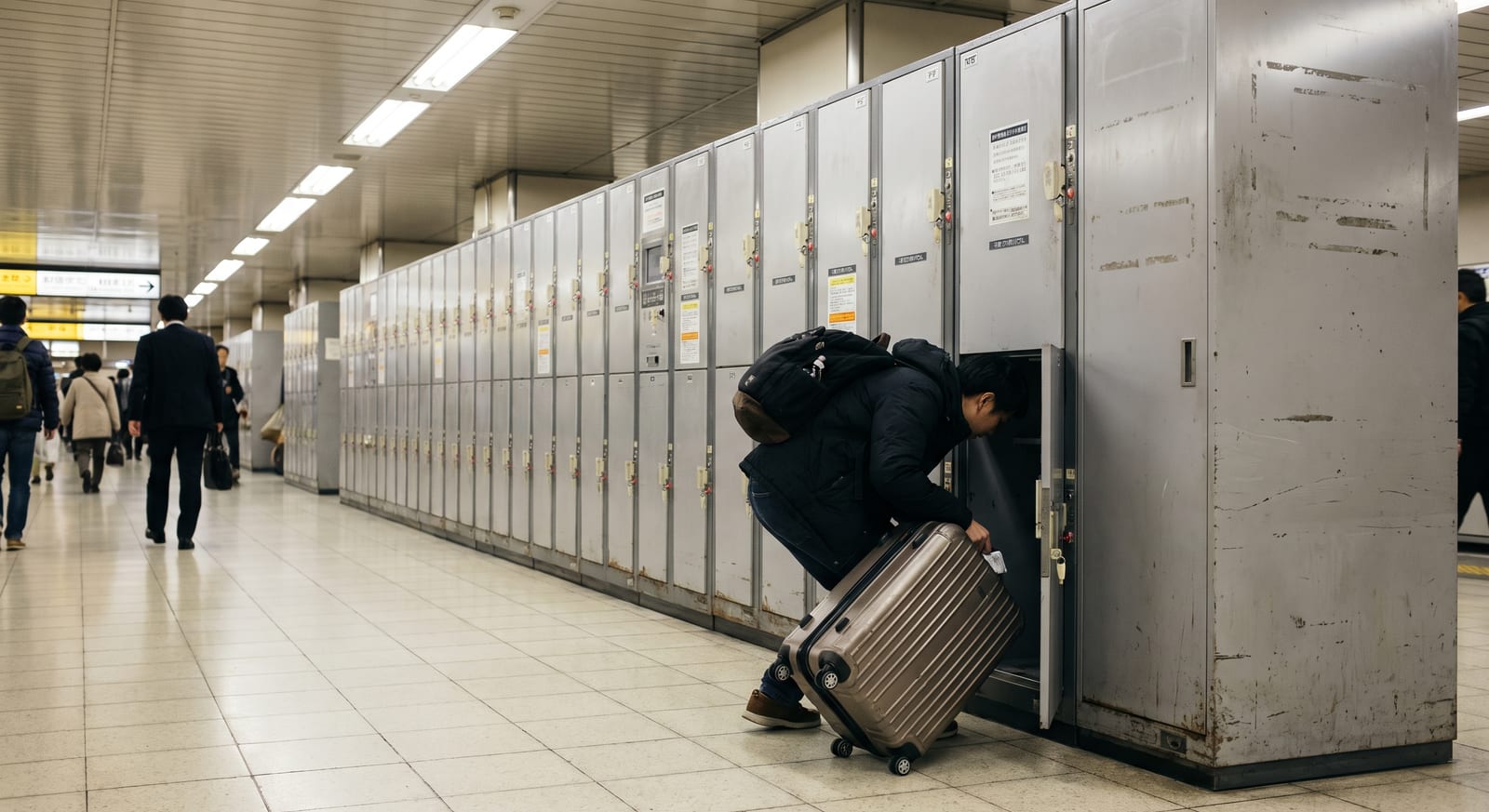
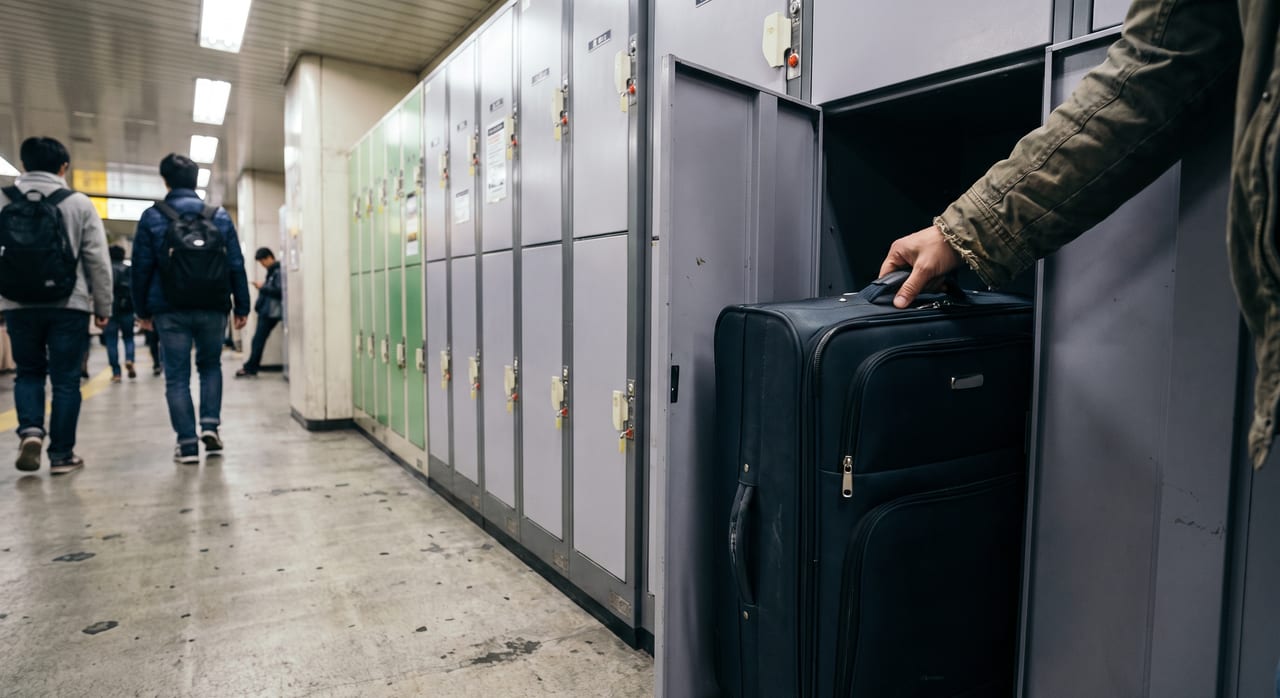
Coin Lockers
Sizes and prices are broadly standard across the city: around ¥400 small, ¥500 medium, ¥700 large. Most modern lockers take IC cards as well as cash, which saves hunting for coins.
Two details that catch people out:
Charging is by calendar day, not by 24 hours. Lockers roll over at midnight (2am at some Kyoto Station banks), so a bag left from 6pm to 10am the next morning costs two days, not one.
Most have a three-day limit. After that, contents are removed and held by station staff, and retrieving them is a bureaucratic afternoon you do not want.
Kyoto Station has over 1,500 lockers on the Hachijo side alone, and in cherry blossom and autumn seasons they are still effectively full by mid-morning. Large lockers go first. If your plan depends on finding one at 11am on a November Saturday, have a backup.
Everyone tries Kyoto Station, which is why it is full. The lockers at Gion-Shijo, Kyoto-Kawaramachi, Saga-Arashiyama, and Inari stations are far less contested, and storing your bag at the station nearest your first sight saves you a return trip across the city to collect it.
 COIN LOCKERS
 Staffed Storage
When lockers fail you, staffed counters do not.
Crosta Kyoto on the B1 floor of Kyoto Station is the main one: it accepts bags too large for any locker, and it also runs same-day delivery to Kyoto hotels — hand over your suitcase in the morning and find it waiting at your accommodation.
Several private storage counters operate near Kyoto Station and in the downtown Kawaramachi area, and many hotels will hold your bags both before check-in and after checkout at no charge. That last option is free, obvious, and routinely forgotten: if you are staying in Kyoto that night anyway, drop your bags at the hotel first thing, even if your room is not ready.
Takkyubin: Sending Bags Ahead
This is the part visitors most often do not know exists, and it changes how a multi-city trip feels.
Japan’s takkyubin courier services move luggage between addresses cheaply and with total reliability. Hand a suitcase to your hotel front desk in Tokyo before the afternoon cut-off, fill in a short form, pay roughly ¥2,000–2,500, and it is at your Kyoto hotel the next day. You travel with a day bag.
How to do it: ask the front desk for takkyubin (or “luggage forwarding”). They complete the form with you — you need the destination hotel’s name, address, phone number, and your check-in date. Hotels handle this constantly and staff will walk you through it even with no shared language.
What it costs you: one night without your main bag. Pack a change of clothes, chargers, and anything you need for the evening into your day bag.
If your suitcase’s three dimensions total more than 160 cm, the Shinkansen requires you to reserve a specific oversized-baggage seat in advance or pay a fee on board. Forwarding the bag for ¥2,000–2,500 sidesteps that rule entirely, and you make the journey unencumbered. See Tokyo to Kyoto by Shinkansen for the rule in detail.
Sending luggage from a Kyoto hotel to Kansai or Haneda airport for collection before your flight works well — but allow two days, not one. Next-day airport delivery is not reliable on every route, and a bag that misses your flight is a genuinely serious problem. Confirm the arrival date with the front desk when you hand it over.
Arrival and Departure Days
Arrival day. Send your bag ahead from your previous hotel if you can. If not, drop it at your Kyoto hotel before check-in — they will hold it — and start sightseeing immediately. Do not begin your first day by finding a locker.
Departure day. Check out, leave your bags with the hotel, and use the last few hours properly. Collect them on the way to the station. If you are catching an early Shinkansen, a locker at Kyoto Station booked the previous evening removes all morning stress.
Day trips. Take nothing. Nara, Osaka, and Uji are all half-day trips from a Kyoto base — your luggage should stay in your hotel room.
Read Next
Kyoto Station Guide for where the lockers and counters actually are, and How to Get Around Kyoto for moving without a suitcase once you have solved this.
Arriving from Kansai Airport or Tokyo? Both guides cover the luggage side of those journeys specifically.
Kyoto Local Experience
Explore Kyoto
with a Local Guide
Skip the crowds and see the Kyoto most visitors never find. Small-group tours led by local experts — built around genuine stories, hidden spots, and real connections with the city.
FAQ
How much do coin lockers cost at Kyoto Station? ▼
What do I do if all the coin lockers are full? ▼
Can I send my luggage between hotels in Japan? ▼
Can I send luggage from Kyoto to the airport? ▼
Where can I leave luggage near Kyoto's sights? ▼
Related Guides
Kansai Airport to Kyoto: Every Route Compared (2026)
How to get from Kansai Airport (KIX) to Kyoto: the Haruka express, limousine bus, shared shuttle, and taxi compared on time, cost, and luggage — plus what to do if you land late.
Kyoto First‑Timer Guide: Plan the Perfect 1–3 Day Trip
Clear, practical guide for first‑time visitors to Kyoto: when to visit, where to stay, how to get around, budgets, and the perfect 1–3 day itineraries.
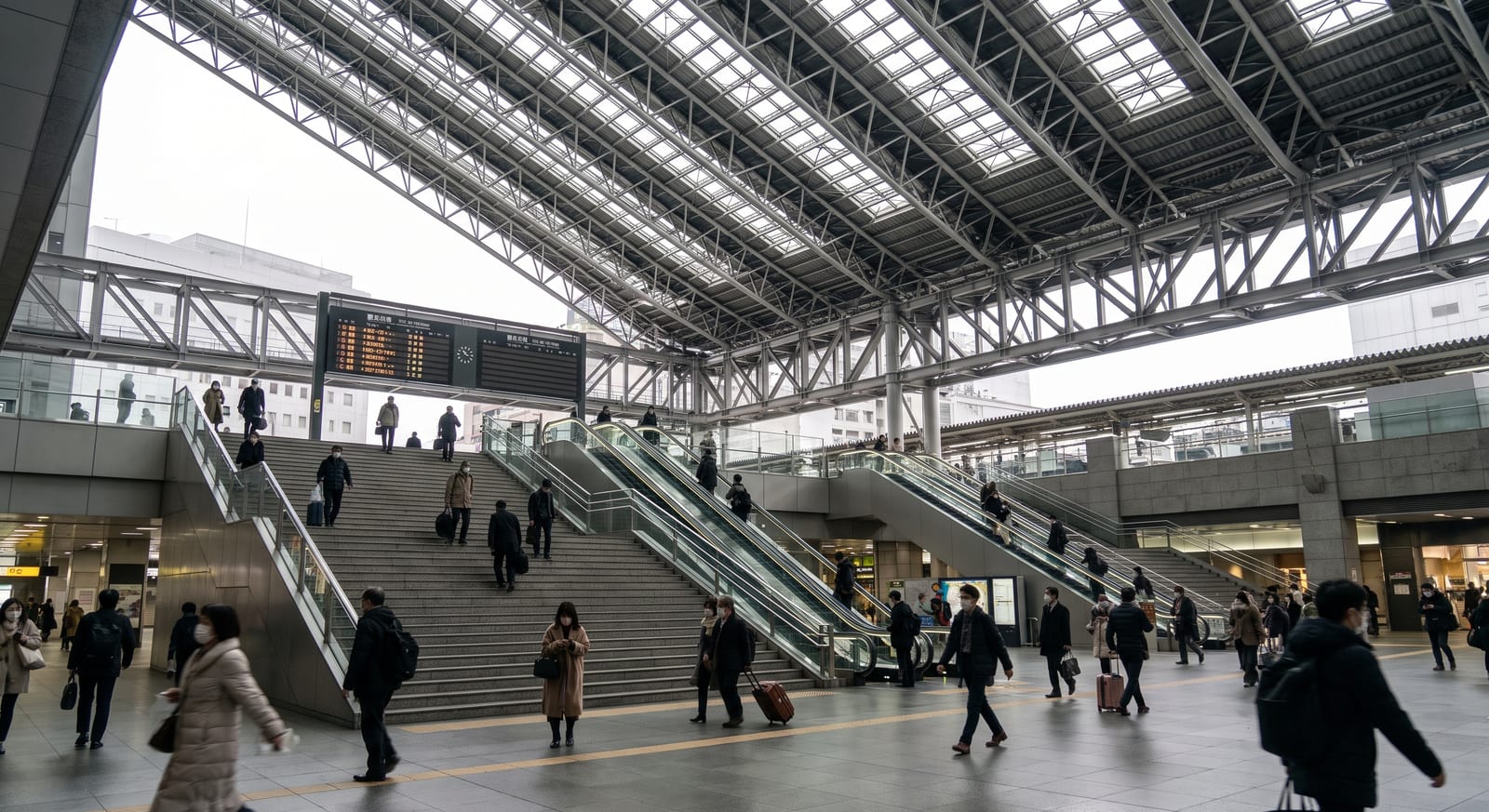
Kyoto Station Guide: Exits, Bus Stops & Not Getting Lost
How to navigate Kyoto Station: which exit to use, where the bus terminal and subway are, how to find your platform, and how to get from the station to Gion, Arashiyama, and Fushimi Inari.
Local guide based in Gion, Kyoto. Leading intimate walking tours and sake experiences since 2018. Passionate about connecting travelers with authentic Kyoto culture.