
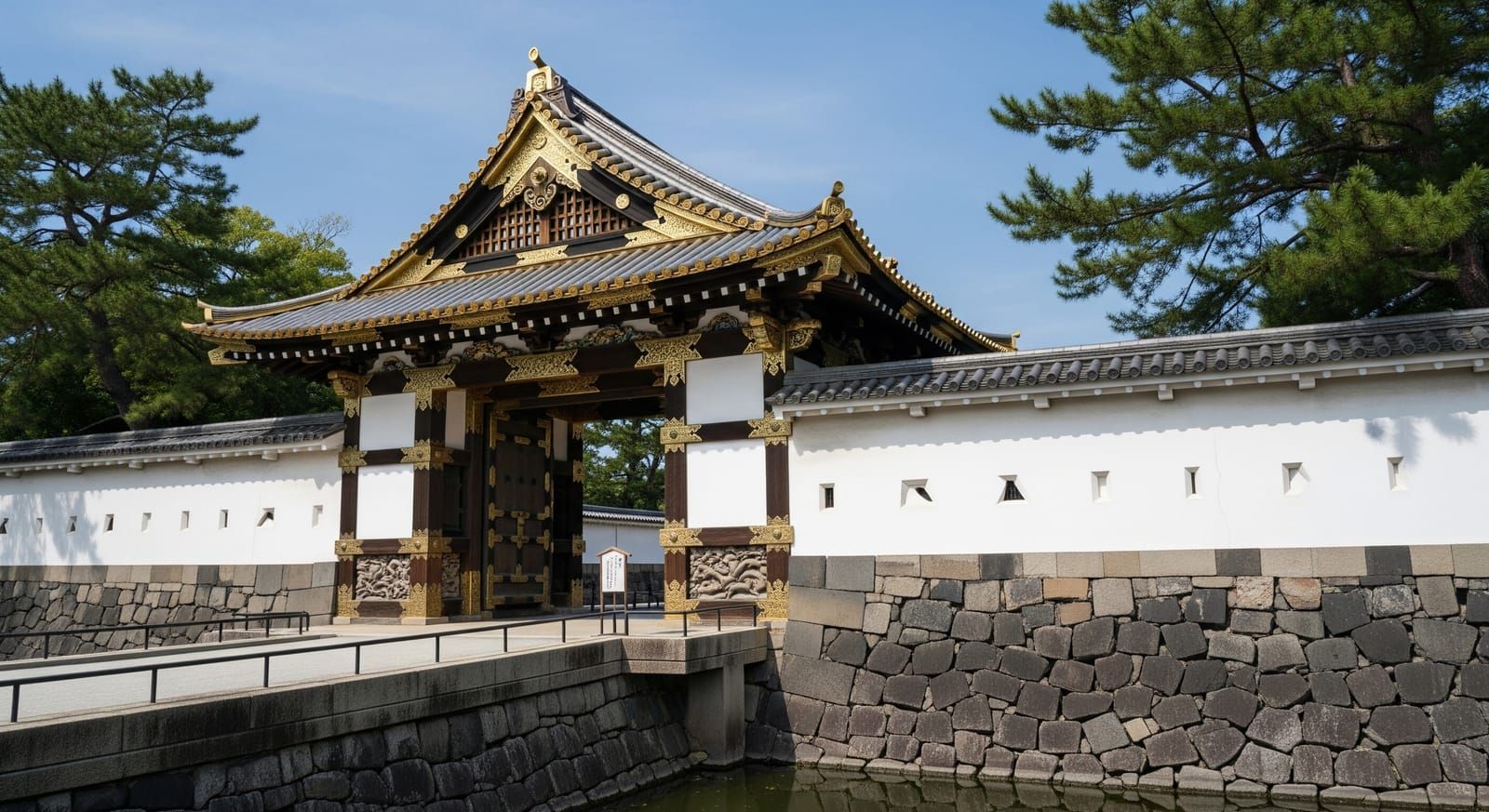
SIGHTS
Nijo Castle Kyoto: What to See & How to Visit
Nijo Castle is where the shogunate began and ended, and unlike most Japanese castles the original palace interior survives — including the deliberately squeaking ‘nightingale floors’ built to betray intruders. This guide covers what to look for inside, the timings, and how long to allow.
What Nijo Castle Is
Nijo Castle is a UNESCO World Heritage Site in central Kyoto, built in 1603 as the Kyoto residence of Tokugawa Ieyasu, the first shogun of the Edo period. Unlike the mountain fortresses of other Japanese castles, Nijo is a flat-plan “palace castle” built for political power display rather than military defense.
The complex consists of two concentric rings of walls, a five-story tower (destroyed by lightning in 1750 and never rebuilt — the stone base remains), and Ninomaru Palace — the main attraction and one of the finest surviving examples of Momoyama-period decorative arts.
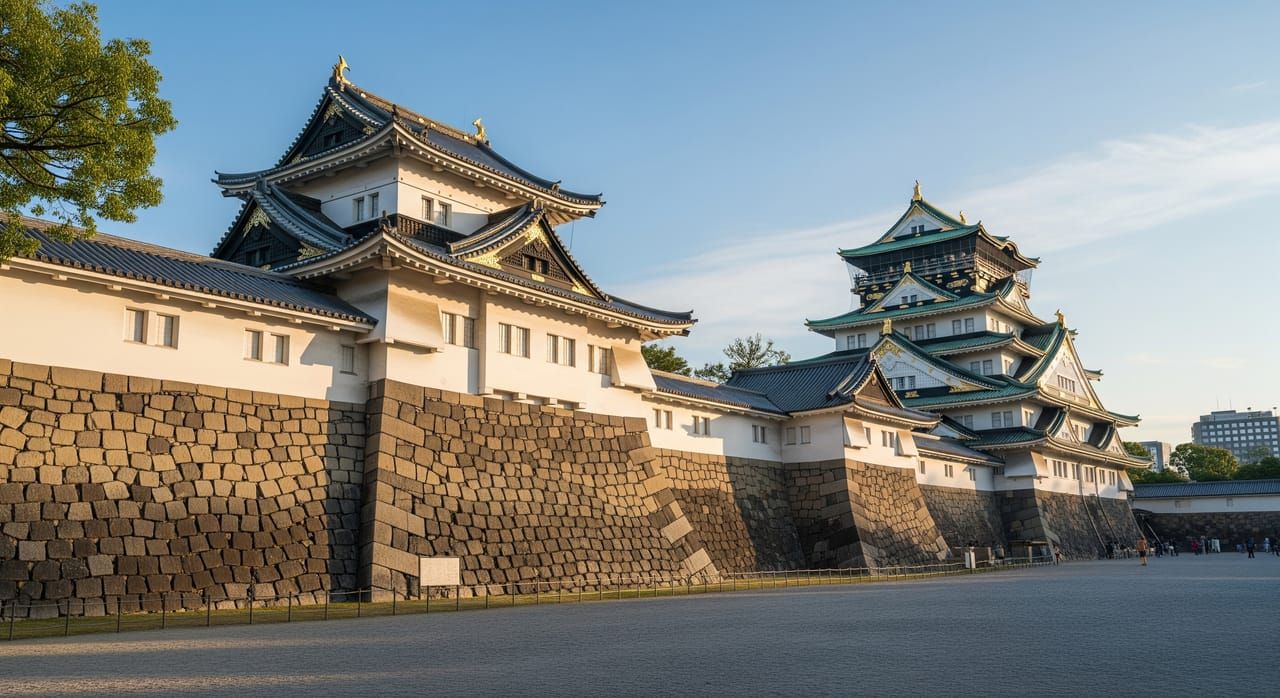 NIJO CASTLE
 Historically, Nijo Castle marks the end point of the shogunate: in 1867, the 15th Tokugawa shogun announced the restoration of imperial rule from the Ohiroma reception hall here, ending 265 years of military government.
Individual visitors buy tickets at the gate — no reservation required. Pre-booking is only necessary for groups or special seasonal illumination events, which do sell out weeks ahead.
Ninomaru Palace
The palace interior is the centerpiece of any visit. Shoes come off at the entrance and you walk through six interconnected buildings in sequence, each with a specific protocol function: outer waiting rooms, middle chambers for intermediate-rank lords, and the inner chambers reserved for the shogun.
The decorative paintings: Over 800 paintings on sliding doors and walls by the Kano school of artists — tigers, pines, hawks, and wildflowers rendered in gold leaf and mineral pigments. The paintings grow progressively more elaborate as you move from public rooms toward private shogunal quarters, a deliberate expression of hierarchy.
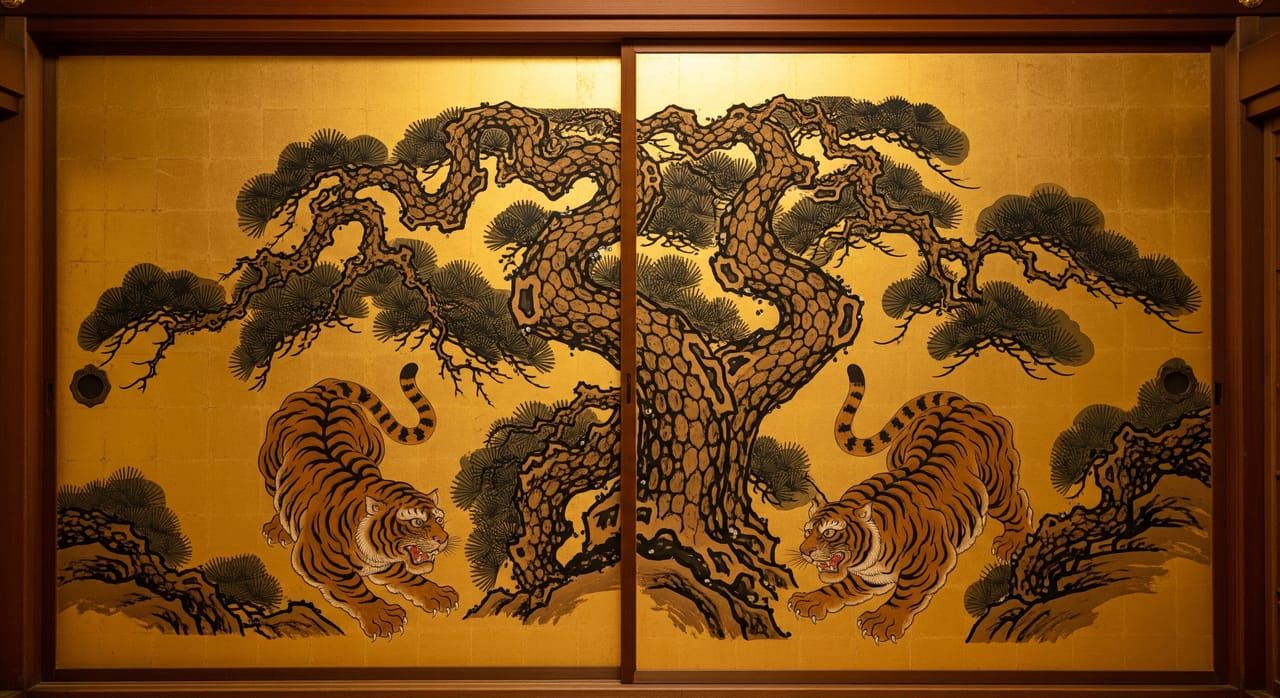 NINOMARU PALACE
 The nightingale floors (uguisubari): The floorboards throughout Ninomaru Palace are built to creak with a distinctive chirping sound under any weight. The mechanism uses clamps beneath the boards that rub against nails as the floor flexes. You can’t walk silently through — which was the point. Every step you take announces itself.
The nightingale floor sound is clearest in the corridor sections between rooms. Slow your pace and press your weight deliberately — you’ll hear a high, metallic chirp distinct from ordinary creaking. Most visitors rush through; pausing makes the floor’s engineering much more apparent.
The Ohiroma: The largest reception hall, where the shogun formally received feudal lords. The shogun sat on a raised platform in the inner chamber, looking down at visiting lords positioned in progressively lower rooms. The architecture itself enforced hierarchy.
Photography is prohibited inside Ninomaru Palace. The prohibition is strictly enforced. Store your camera and phone before entering — security staff monitor throughout.
The Castle Gardens
After the palace, the gardens are worth 30–45 minutes. The Ninomaru Garden, designed by landscape master Kobori Enshu in 1626, features three islands in a central pond representing Mt. Horai (the Daoist paradise), with carefully placed rocks and shaped pines. It’s best appreciated from the palace corridors overlooking it.
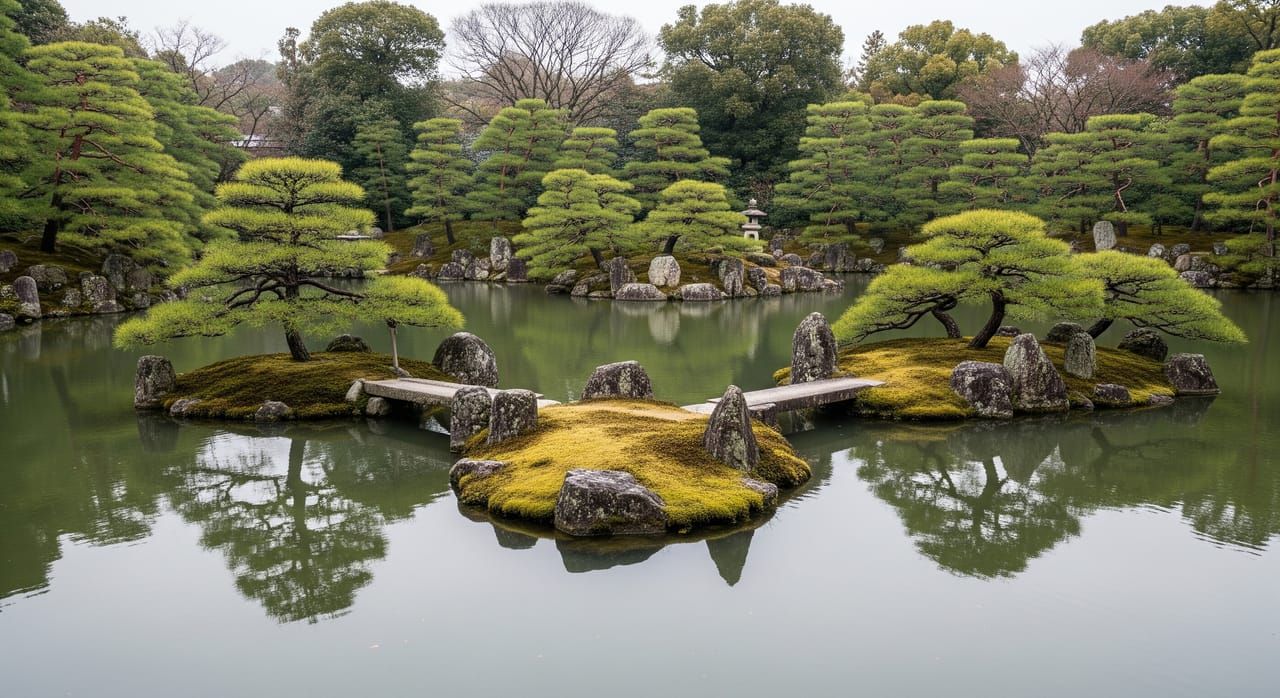 NINOMARU GARDEN
 The Seiryu-en Garden in the western compound uses stones collected from historic Kyoto gardens — a fascinating provenance for garden enthusiasts.
In spring, the Honmaru compound’s plum and cherry trees (around 400 trees total) attract significant crowds. The castle’s cherry blossom nighttime illumination events sell out in advance.
The spring illumination events add a ticket surcharge and sell out weeks in advance. Book through the official Nijo Castle website as soon as dates are announced — usually mid-February. Standard daytime entry remains available at the gate without booking throughout blossom season.
Crowd levels by time of day
Palace nearly empty, corridors clear
Light but building — still comfortable
Tour groups arrive, palace corridors congested
Queues at gate; book illumination in advance
Moderate — most tour groups have left
Getting There
By subway: Tozai Line to Nijo-jo-mae Station — 1-minute walk to the castle gate. The cleanest option.
By bus: City Bus 9, 50, or 101 from Kyoto Station to Nijo-jo-mae — about 20 minutes.
By bicycle: Nijo Castle is in central Kyoto, easily reachable by rental bike from the station area.
Nijo Castle sits 15 minutes by subway from Gion and 20 minutes from Arashiyama. A morning here followed by an afternoon in Gion or along the Philosopher’s Path makes an efficient central Kyoto day without backtracking.
Planning central Kyoto? See the 2-Day Kyoto Itinerary for how to pair Nijo Castle with nearby sights. For context on the Gion district, read the Gion District Guide.
Evening in Gion: Our Gion Night Walk explores the old district each evening — a natural pairing with a daytime castle visit.
// Kyoto Local Experience
Explore Kyoto
with a Local Guide
Skip the crowds and see the Kyoto most visitors never find. Small-group tours led by local experts — built around genuine stories, hidden spots, and real connections with the city.
FAQ
How much does Nijo Castle cost? ▼
What are Nijo Castle's opening hours? ▼
What is the nightingale floor? ▼
How long does a Nijo Castle visit take? ▼
RELATED GUIDES
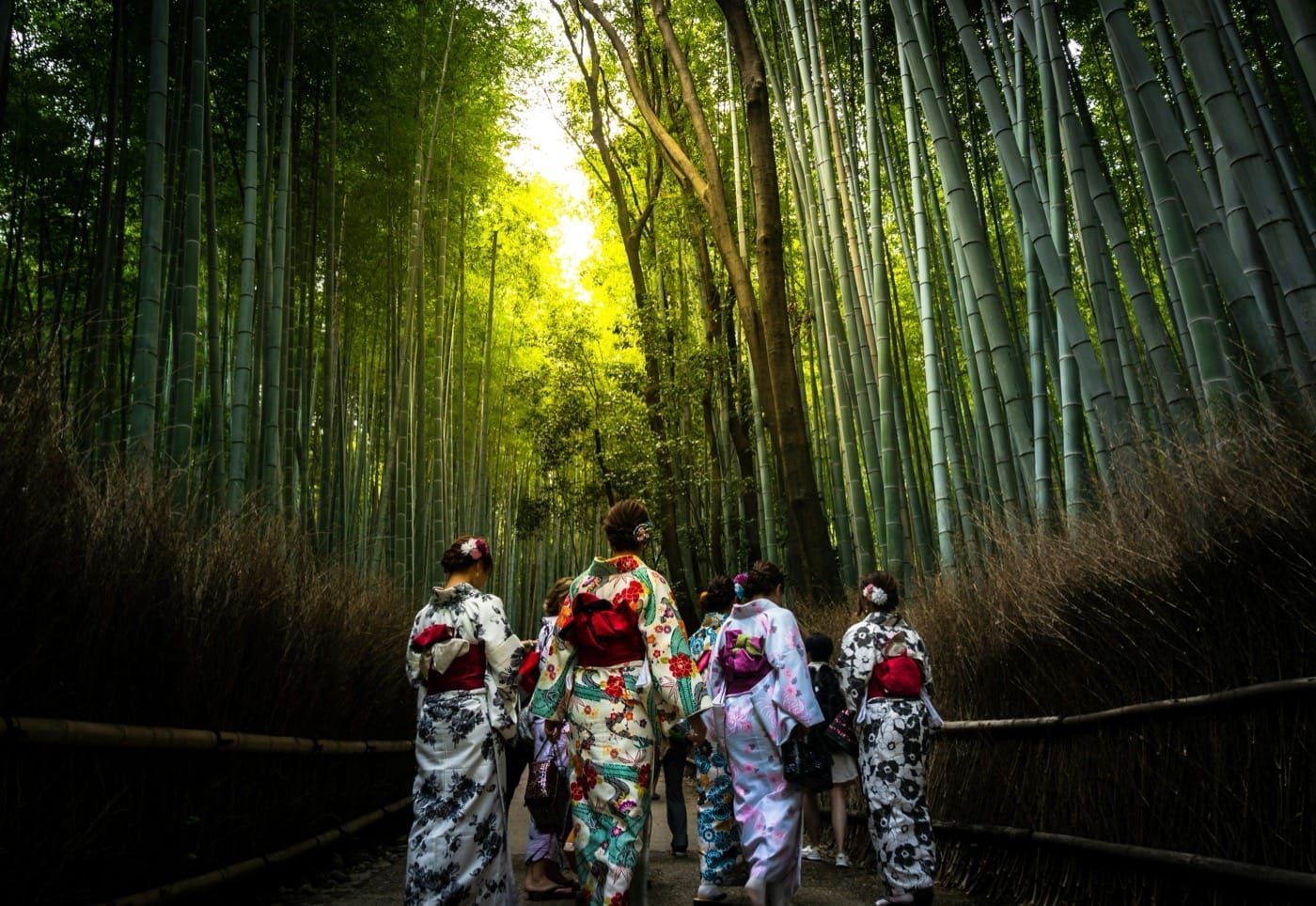
Arashiyama Bamboo Grove: Tips & Best Time to Visit
How to visit the Arashiyama Bamboo Grove without the crowds: best arrival times, what to see nearby, and how to get there from central Kyoto.
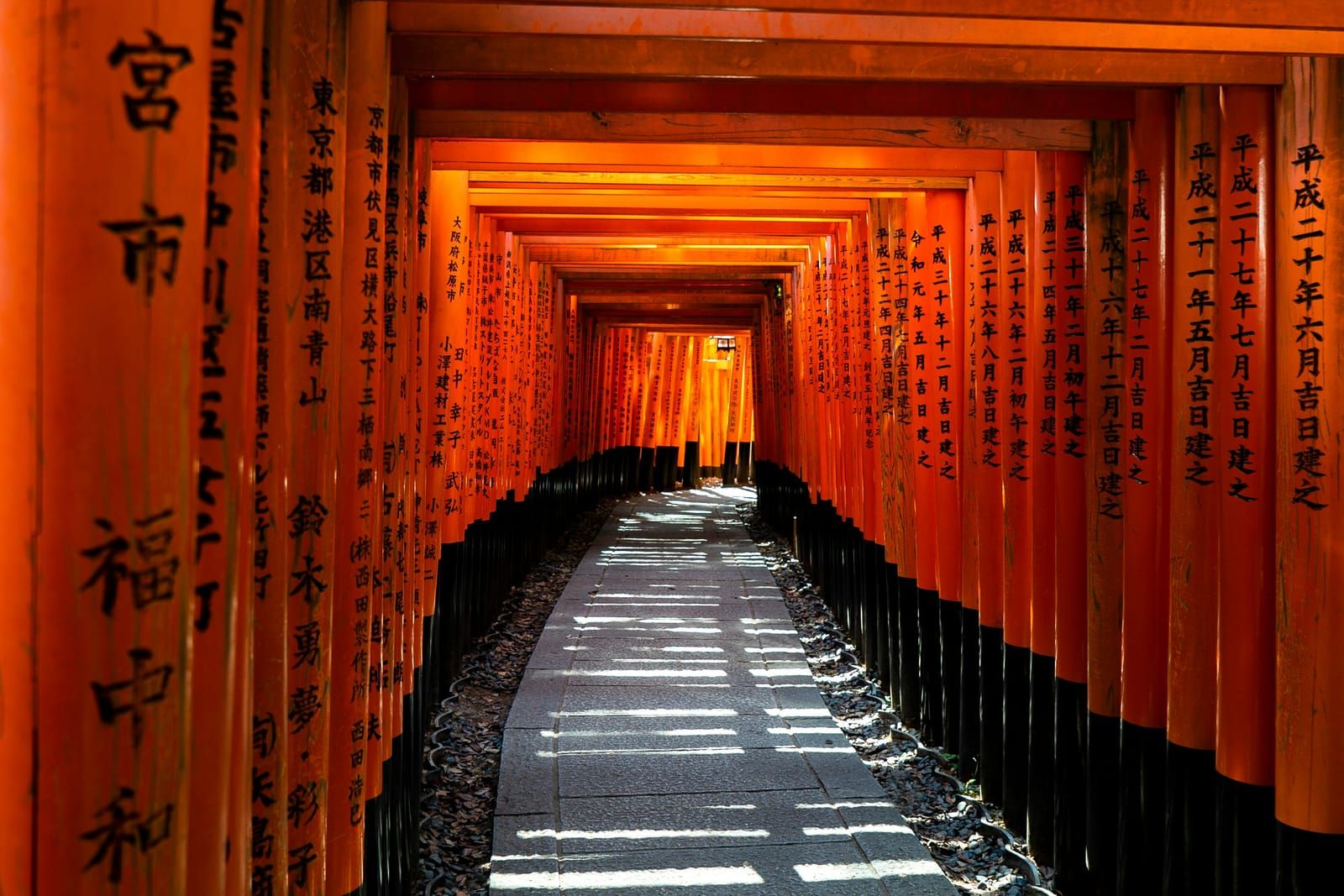
Fushimi Inari Taisha: Complete Visitor Guide
Everything you need to visit Fushimi Inari Taisha: opening hours, trail map, best times to avoid crowds, and how to get there from central Kyoto.
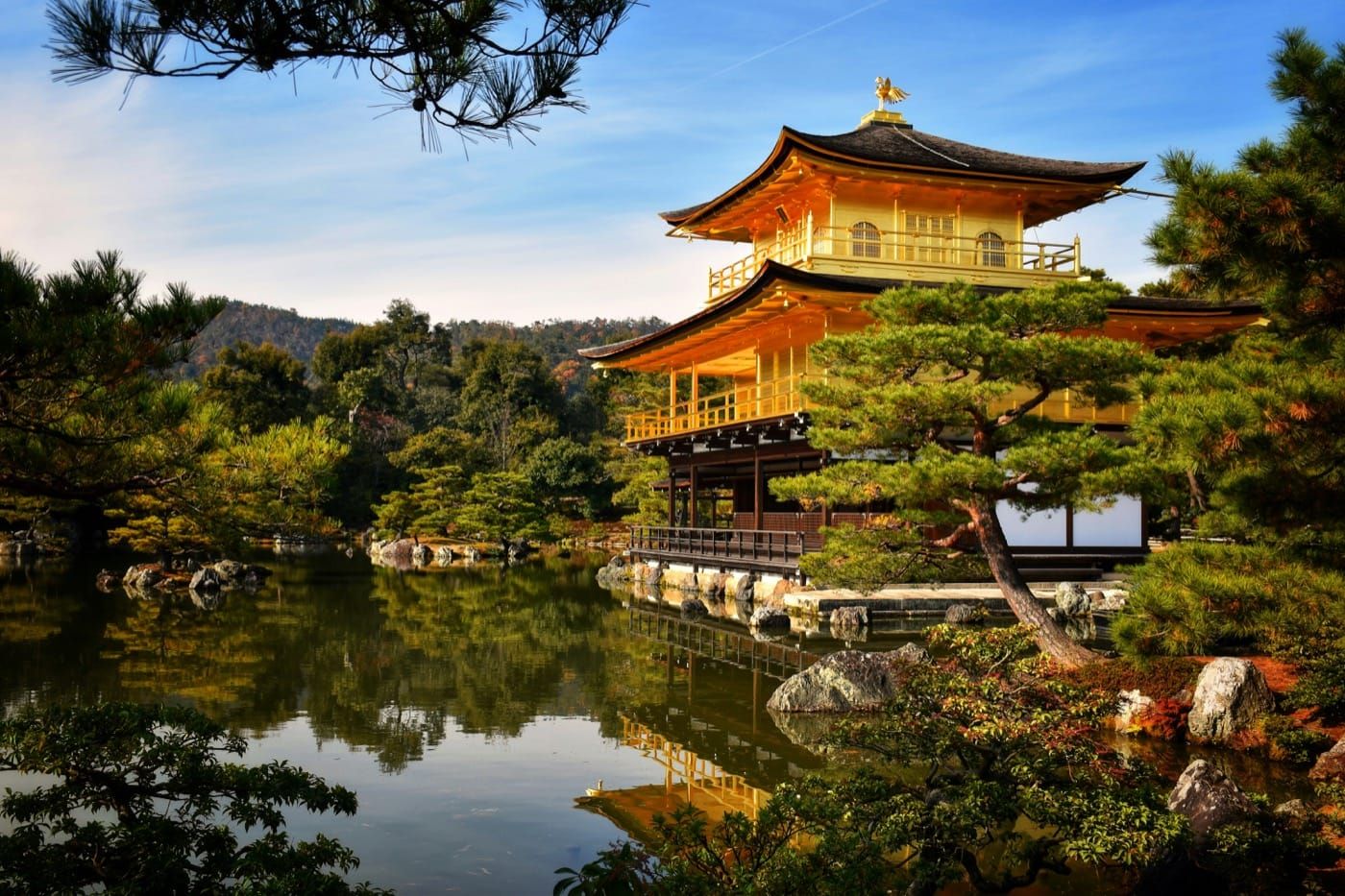
Kinkaku-ji (Golden Pavilion): Visitor Guide & Tips
Plan your visit to Kinkaku-ji: entry fees, opening hours, best photo spots, and how to avoid the worst crowds at Kyoto's most visited sight.
Local guide based in Gion, Kyoto. Leading small-group walking tours and cultural workshops since 2024. Passionate about connecting travelers with authentic Kyoto culture.